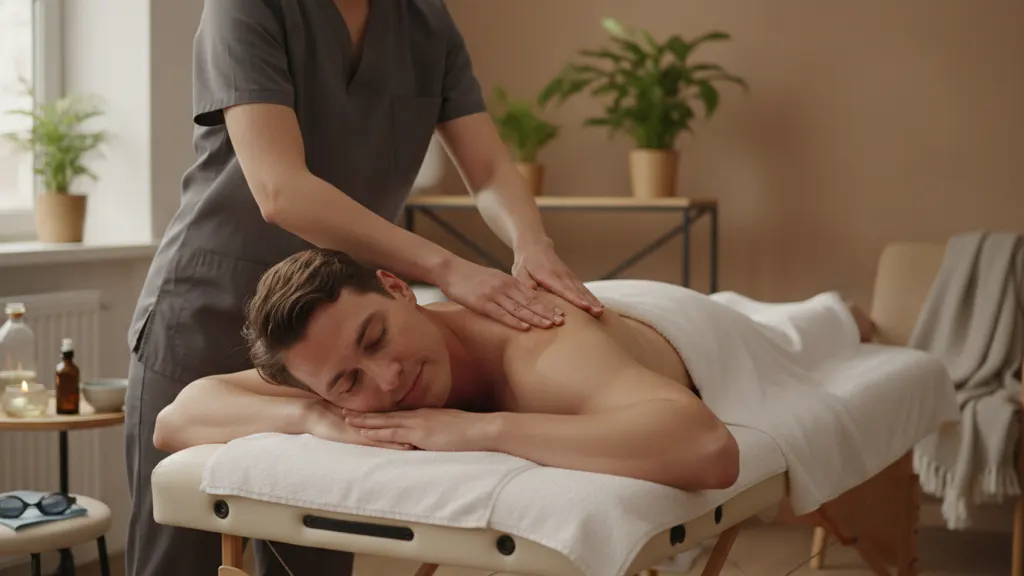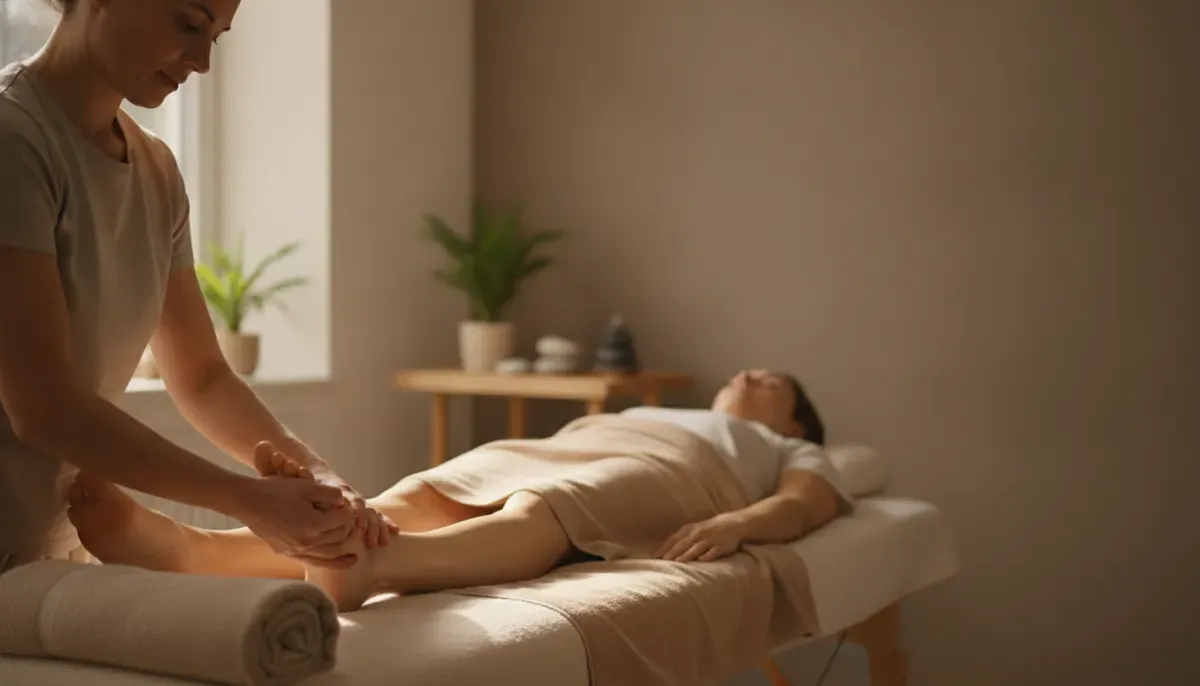
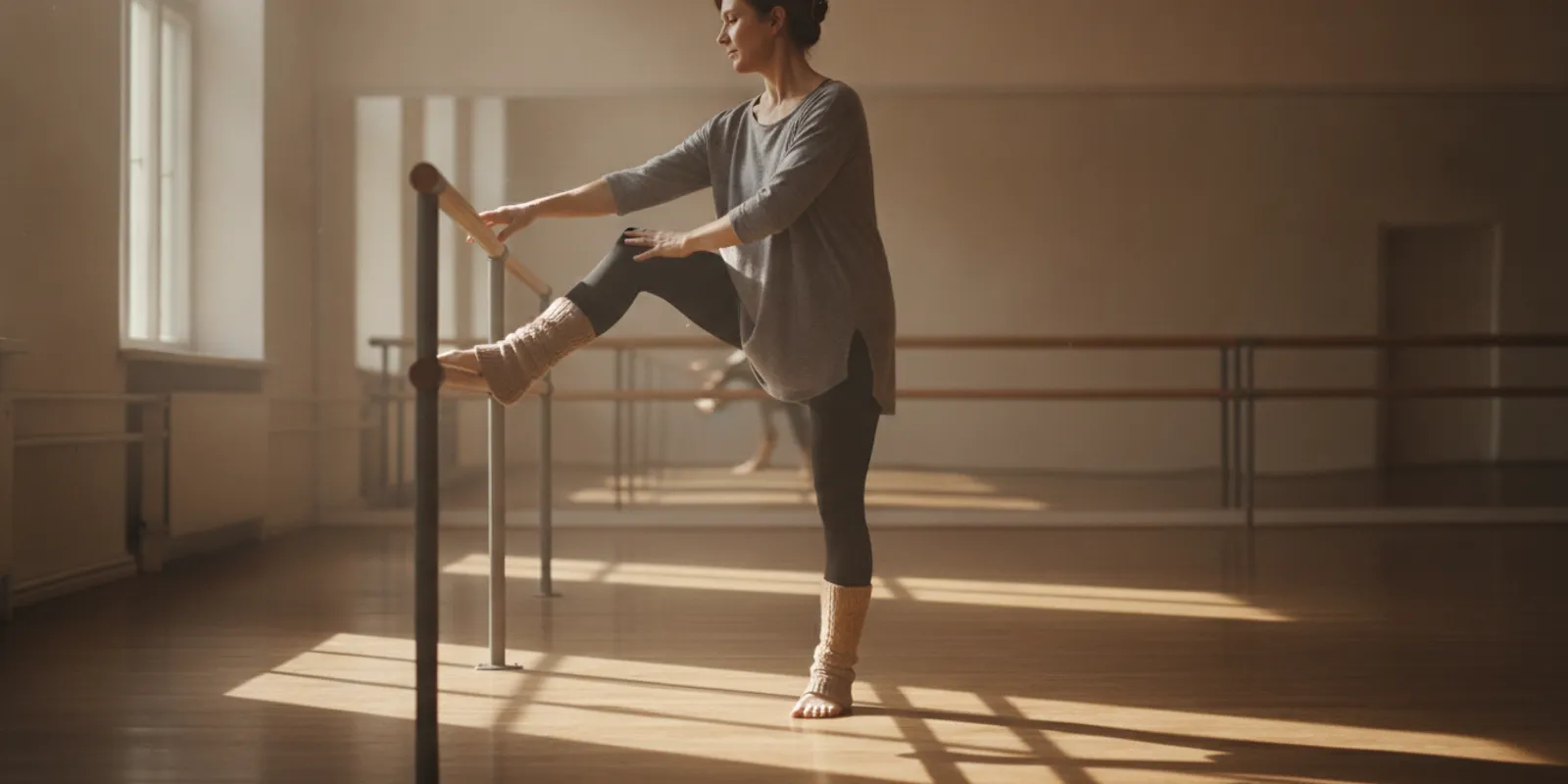
Rehearsals, classes, performances, and cross-training can ask a lot of a dancer’s body. Massage for dancers may be one part of a broader recovery routine, but it is not a substitute for rest, conditioning, or medical care. The useful question is not whether one technique is best for every dancer; it is how to choose timing, pressure, and goals that fit your schedule and current needs.
Ask about scheduling a massage
What can massage realistically offer a dancer?
Dance combines repeated movement with demands that vary by style, choreography, and training schedule. A week may include long rehearsals, sharp changes of direction, jumps, floor work, pointe work, partner lifts, or extended time in one position. The physical experience is individual. A dancer may want a quiet hour to unwind, a chance to address ordinary muscle tension, or support for feeling more comfortable moving after a demanding rehearsal block.
Massage can provide hands-on relaxation and a focused opportunity to notice how your body feels. Some research has considered massage in sports performance and rehabilitation, but findings do not mean massage guarantees a particular performance or recovery outcome for every person. A review on massage in sports performance and rehabilitation describes differences between perceived recovery and measured outcomes in the research it reviews. An American Massage Therapy Association news release also summarizes research on sports massage and recovery, performance, and flexibility; that does not establish a guaranteed result for an individual dancer.
Dance medicine has also discussed massage in relation to dancers. A paper on massage therapy in dance medicine describes potential uses in preparing for physical effort and addressing muscle tone. That context can inform a conversation, but a session should be planned around your goals and comfort, not a promise to prevent injury, remove pain, or improve technique.
Think of massage as one optional support within a bigger picture. Sleep, food and hydration, appropriately planned training, warm-ups, cool-downs, and adequate recovery time all matter. If a concern is new, persistent, worsening, or affecting your ability to dance, ask a qualified healthcare professional for guidance rather than relying on massage alone.
How do rehearsal demands shape the plan?
Start with the calendar. A dancer preparing for a performance may have a different need from someone in a lighter training week. Consider the intensity and length of recent rehearsals, upcoming performances, travel, and how much time you have before your next demanding session. Also notice what your body is telling you. General tiredness after a full day is not the same as a sharp, unusual, or escalating symptom.
Before booking, define a modest goal. You might want time to relax, focus on an area that feels generally tight, or discuss ways to make pressure more comfortable. Avoid treating a massage as a way to push through an injury or to force a body part into a greater range of motion. A massage therapist can work with the preferences you communicate, but diagnosing an injury or deciding whether you are fit to perform is a different matter.
Share the movement context in plain language. For example, you might explain that rehearsals have involved repeated turns, floor work, or long periods standing, and say whether you want a lighter or firmer touch. These details can help guide a conversation about the session. You do not need to use technical anatomical language to describe what you notice.
If you are comparing approaches, the studio’s massage services overview gives a starting point for understanding available styles. NOLA Bliss offers therapeutic massage services in New Orleans, including Swedish and deep tissue massage. A general label does not determine exactly how a session will feel: pressure and focus should be discussed directly and should remain comfortable for you.
When should you schedule a session around rehearsal?
There is no single schedule that fits every dancer. A useful starting point is to avoid making a new or unusually intense bodywork experience your last-minute experiment immediately before a performance. Give yourself time to learn how you respond. If you already know a particular approach feels comfortable, consider how it fits with the rest of your rehearsal and recovery plan rather than assuming it will produce the same effect every time.
Think about the whole day, not only the hour on the table. Would you need to go straight from the session into a long rehearsal, commute, or performance? Do you have time afterward to notice how you feel and return to your usual routine without rushing? These practical questions can help you choose a time that feels manageable. If travel or a busy schedule means you cannot leave much space around the appointment, tell the therapist and keep the session goal realistic.
Dance style and role matter, too. A touring performer, a student with several classes, and a dancer returning to regular practice may have very different weekly demands. Even in the same style, choreography can change what feels taxing. Rather than assuming that a particular body area always needs attention, describe what your recent rehearsals involved and let the conversation start from your own experience.
After a demanding rehearsal, some people prefer rest and a gentle session; others do not want additional hands-on work when they feel fatigued. Tell the therapist what happened recently and what is coming next. If you have a performance or audition soon, say so. You can ask about keeping the session focused on relaxation, using lighter pressure, or changing the plan if anything feels uncomfortable.
The following comparison is a planning aid, not a clinical rule. Timing and pressure are personal, and a therapist cannot determine from a calendar alone whether a dancer should train or perform.
| Situation | Possible session focus | What to consider |
|---|---|---|
| Regular training week | Comfort, relaxation, or general muscle tension | Choose a time that leaves room to notice how you feel afterward. |
| Heavy rehearsal block | A conservative, clearly communicated session goal | Explain the workload and avoid assuming deeper pressure is better. |
| Close to a performance | A familiar, comfortable approach or postponing a new technique | Do not use a first-time intense session as a last-minute performance strategy. |
| Unusual or worsening symptoms | Pause massage planning and seek appropriate health guidance | Massage is not a diagnosis or a substitute for injury assessment. |
| Recovery or lighter week | Relaxation and a chance to discuss preferences | Review what felt helpful or not after any prior session. |
A 2026 AMTA sports massage release summarizes findings related to recovery, performance, and flexibility. It is reasonable to be curious about research, but individual results and study populations do not automatically translate to a particular dancer, dance style, or performance date. Use research as context for questions, not as a guarantee.
How can massage support mobility without promising more range?
Dancers often value mobility, but more range is not automatically better. Safe, controlled movement depends on many factors, and massage should not be treated as a shortcut to flexibility or a replacement for dance-specific strength and technique work. A session can be an opportunity to describe where you feel restricted or tense, and to choose a comfortable focus. It should not involve forcing a stretch or asking the therapist to push a joint beyond your comfort.
Separate the feeling of relaxation from a measurable change in movement. You may feel calmer or notice that an area feels less tense. That experience is meaningful to you, but it does not prove that a structural problem has been corrected or that an injury has healed. If a movement limitation is persistent or affects your dancing, consult an appropriate clinician or movement professional for individualized assessment.
Keep your own movement practice in the plan. Follow instruction from your dance teacher or qualified movement professional, use a warm-up suited to your class, and progress training gradually. If a therapist suggests something that conflicts with medical advice or your instructor’s safety guidance, pause and clarify before proceeding. You are always free to ask for less pressure, a different focus, or an end to the session.
Dancers who prefer sustained pressure may want to ask about Ashiatsu massage, which is one of NOLA Bliss’s services. Do not assume that a named technique is right simply because you dance or train intensely. Ask how the approach works, describe your preferences and concerns, and decide whether the proposed pressure sounds appropriate for you.
What should dancers communicate about injuries or discomfort?
Be clear about anything that could affect comfort or safety. This includes a recent injury, surgery, swelling, bruising, unusual pain, changes in sensation, or a health condition relevant to touch. Tell the therapist if a movement has recently become difficult, if symptoms are getting worse, or if you have been advised to avoid particular positions or pressure. You can share only what is relevant to your session, but withholding a concern may make it harder to adapt the experience.
Do not use massage to test whether you can dance through a problem. If pain is severe, sudden, unexplained, worsening, or accompanied by other concerning symptoms, seek medical guidance. If you have already received clinical advice, follow it and ask the clinician whether massage is appropriate. A massage therapist can adjust a session based on what you report, but a massage session is not an injury diagnosis or return-to-dance clearance.
During the session, speak up early. You can say “lighter,” “please avoid that area,” “let’s pause,” or “I would like to stop.” Pressure should not need to be endured to be effective. A familiar, straightforward exchange helps the therapist understand your preferences and gives you control over the experience.
If your discomfort is concentrated around the back or neck, you may find it useful to read this general guide to back and neck massage. It can help you think of questions to ask, but it cannot replace an assessment of a specific injury or symptom.
How do you set realistic goals for a session?
Choose goals that describe an experience rather than demand a result. “I want to relax after a long rehearsal” or “I would like to discuss comfortable pressure around my shoulders” gives a clearer starting point than “fix my turnout” or “make my injury go away.” The first examples are preferences you can evaluate; the latter promise outcomes a massage cannot guarantee.
- State your priority. Tell the therapist whether your main aim is relaxation, general comfort, or attention to an area that feels tense.
- Describe your current week. Mention rehearsal duration, recent workload, and when your next class or performance is scheduled.
- Explain pressure preferences. Say what feels comfortable and whether you want pressure adjusted as you go.
- Share relevant health information. Identify any injury or concern that may affect the session and follow clinical advice.
- Review the experience afterward. Notice how you feel, and use that information when deciding whether to book again or change your preferences.
Good communication does not require knowing which modality to request. If you are unsure, ask what options are available and what a session generally involves. You can review NOLA Bliss’s about page to learn more about the studio, then contact the team with questions about arranging a visit. For practical details, see the downtown parking information before you travel.
After a session, give yourself time to notice how you feel rather than immediately measuring success by a demanding combination or rehearsal. You might reflect on whether the pressure felt appropriate, whether you could communicate easily, and how the experience fit with the rest of your day. If something felt uncomfortable, mention it before a future visit or choose a different approach. If symptoms appeared or changed, consider whether health advice is needed instead of booking another session to address them.
A helpful way to assess the session is to ask whether you felt listened to, whether the pressure stayed within your comfort, and whether the experience supported your personal goal. Do not judge it only by whether you can immediately achieve a more difficult movement or perform without fatigue. Those outcomes depend on far more than one appointment.
Contact NOLA Bliss to discuss your visit
Frequently asked questions about massage for dancers
Should I get a massage on the day of a performance?
There is no universal answer. Avoid experimenting with an unfamiliar or unusually intense approach right before an important performance. If you already know what feels comfortable, discuss your timing and preferences with the therapist. Massage cannot guarantee better performance or prevent an injury.
Is deep pressure always better after a hard rehearsal?
No. A demanding rehearsal does not mean you need intense pressure. Tell the therapist what you want, and ask for an adjustment whenever pressure is uncomfortable. The goal is not to prove how much pressure you can tolerate.
Can massage increase my flexibility?
Massage may change how relaxed or tense you feel, but it is not a guaranteed way to gain lasting range of motion. Use dance instruction and appropriate movement training for flexibility goals. Seek professional guidance if a restriction is persistent or affects your function.
Can massage treat a dance injury?
Massage is not a substitute for evaluating an injury, diagnosing its cause, or deciding when you can return to dance. If you have significant, persistent, or worsening symptoms, speak with a qualified healthcare professional and follow their guidance about massage.
What is a sensible next step?
Consider massage as an optional part of a dancer’s wider approach to recovery and comfort. Match the timing and session goal to your rehearsal calendar, share relevant concerns, and speak up about pressure. If you are dealing with an injury or symptoms that are changing, seek appropriate health guidance first; otherwise, a clear conversation can help you decide whether a session fits your needs.