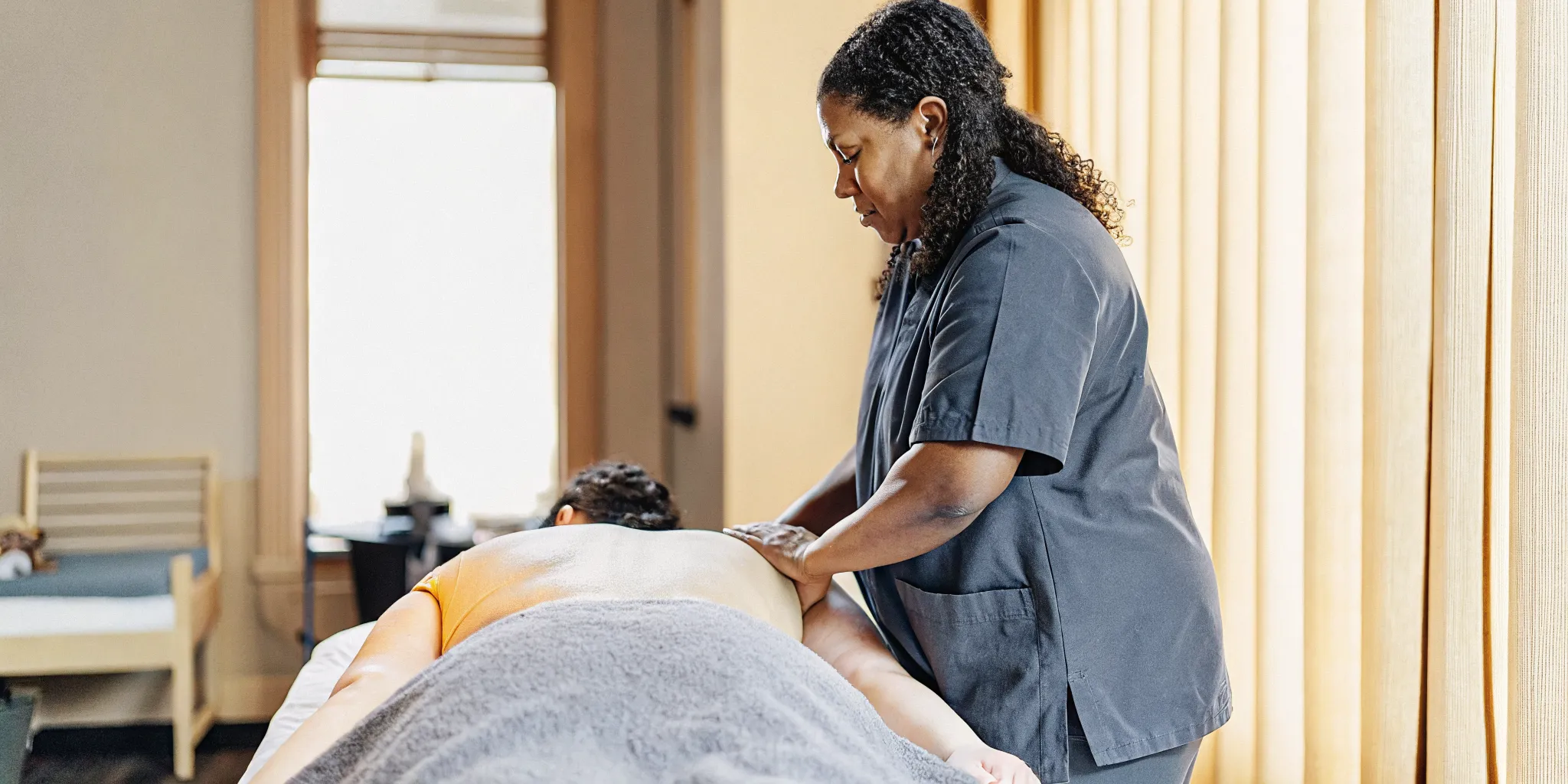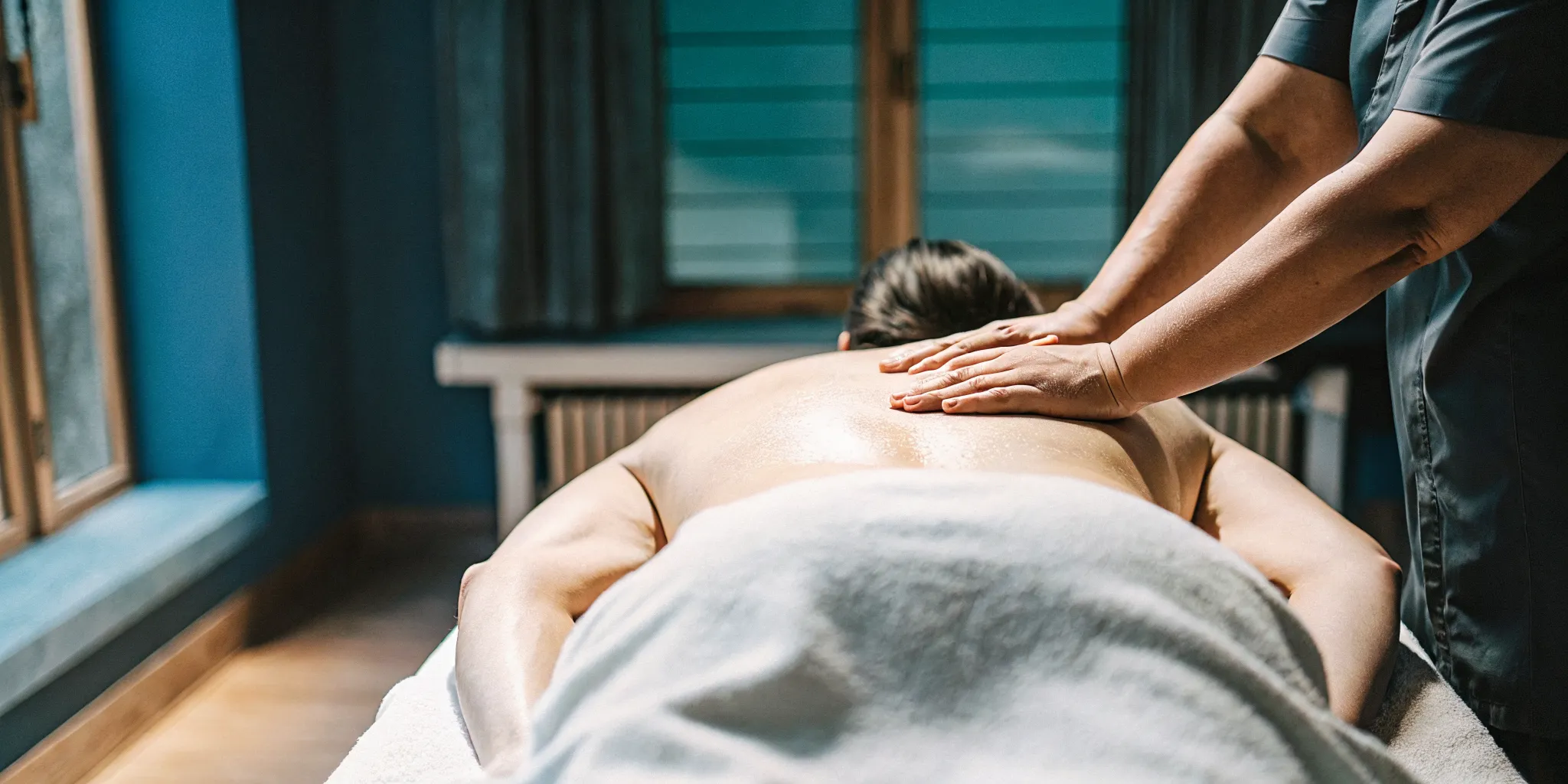

We often wait until a problem is impossible to ignore. That little twinge in your back becomes a full-blown spasm before you finally seek relief. But think about it: you wouldn’t wait for your car’s engine to seize before getting an oil change, right? So why treat your body any differently? Regular massage therapy is that essential, preventative maintenance. It’s how a consistent massage help body and mind stay in sync, keeping muscles pliable and stress levels low. This proactive approach is where the real, long-term benefits are found.
Key Takeaways
- Treat massage as proactive healthcare, not just a treat: Consistent sessions are a powerful way to manage pain, lower stress, and improve sleep, helping you maintain your physical and mental well-being before problems arise.
- Choose the right technique for the right results: Different massage styles achieve different outcomes. A Swedish massage is ideal for relaxation, while Deep Tissue or Ashiatsu are better for targeting chronic pain and stubborn knots.
- Your results depend on partnership and communication: The best outcomes come from an experienced, licensed therapist who understands your goals. Always speak up about your needs and pressure preferences to ensure every session is customized for you.
What a Massage Actually Does for Your Body
We often think of massage as a treat, but it’s much more than a simple indulgence. Regular massage therapy is a powerful tool for taking care of your physical health. It’s a hands-on way to listen to your body and give it the attention it needs to function at its best. From easing persistent aches to helping you recover from a tough workout, the physical perks are significant. When your body feels good, it creates a positive ripple effect across every other part of your life. Let’s look at some of the key ways massage can directly support your body’s well-being.
Find Relief from Aches and Pains
One of the most common reasons people seek out massage is for pain relief, and for good reason. Therapeutic massage is incredibly effective at easing discomfort, whether it’s from a nagging injury, chronic low-back pain, or simply the tension that builds up from sitting at a desk all day. By manipulating the soft tissues, a skilled therapist can release tight muscles and trigger points that cause pain. Techniques like a deep tissue massage are designed to reach the deeper layers of muscle and connective tissue, providing lasting relief from chronic knots and soreness. It’s a proactive way to manage pain without medication.
Lowers Pain-Signaling Chemicals
Beyond just working out knots, massage triggers a helpful chemical reaction in your body. It actively reduces levels of stress hormones like cortisol and dials down pain-signaling neurotransmitters, such as substance P. When these chemicals are present in high amounts, they can contribute to pain, sleeplessness, and stress. At the same time, massage encourages the release of feel-good chemicals. Your body produces more endorphins, which are natural painkillers, along with serotonin and dopamine to help regulate your mood and create a sense of calm. This hormonal shift is a key reason why the relief you feel from a massage is so profound and can last long after you’ve left the table. It’s your body’s own chemistry working in your favor.
Support Healthy Circulation
Great circulation is fundamental to your overall health, and massage gives it a helping hand. The pressure applied during a massage helps move blood through congested areas, which allows new, oxygen-rich blood to flow in. This process doesn’t just feel good; it delivers vital nutrients to your tissues and organs. At the same time, it encourages the movement of lymph fluid, which helps your body filter out metabolic waste and toxins. This improvement in circulation can help with everything from reducing swelling to giving your skin a healthier glow. It’s like a tune-up for your body’s internal delivery system.
Recover Faster and Move Better
If you lead an active lifestyle, massage can be a game-changer for your performance and recovery. After a strenuous workout, your muscles need time to repair. Massage helps speed up this process by increasing blood flow to the muscles and reducing inflammation. This is why so many athletes incorporate it into their training routines. It can also significantly improve your flexibility and range of motion by loosening tight muscles and breaking down adhesions. For an especially effective treatment, Ashiatsu Deepfeet Bar Therapy uses deep, consistent pressure to stretch and lengthen muscle fibers, making it ideal for post-workout recovery.
Stretches and Conditions Muscles
A great massage session is like a passive yoga class for your body—you get the stretching benefits without the effort. As your therapist works, they gently lengthen and manipulate your muscles, helping to improve your overall flexibility. This process is crucial for conditioning your muscles, making them more pliable and resilient. By breaking down adhesions, those stubborn knots in your muscle tissue that can restrict movement, massage helps restore your full range of motion. Regular sessions can lead to better posture and make you less susceptible to strains and injuries, as conditioned muscles are better equipped to handle daily stress and physical activity. This kind of targeted work is a key reason why massage is so effective for maintaining a healthy, functional body.
Finally Get a Good Night’s Sleep
Tossing and turning at night? A massage might be just what you need. Quality sleep is essential for physical and mental restoration, but stress and discomfort often get in the way. Massage promotes relaxation by calming the nervous system and lowering levels of the stress hormone cortisol. This helps create the ideal conditions for a restful night. By easing muscle tension and quieting your mind, a relaxing Swedish massage can make it easier to fall asleep and improve the overall quality of your rest. It’s a natural, effective way to help your body get the deep sleep it needs to recharge.
Strengthen Your Immune System
Keeping your body’s defenses strong is a year-round job, and massage can be a key player in your wellness routine. It works by stimulating your lymphatic system, which is your body’s natural drainage network responsible for clearing out toxins and waste. As the pressure from a massage improves circulation, it helps deliver more oxygen and nutrients throughout your body. This process also encourages the production of white blood cells, which are essential for fighting off infections. According to the Mayo Clinic Health System, this stimulation can give your immune response the support it needs to function more effectively, helping you feel your best.
Promote Tissue Regeneration and Skin Health
Your body has an incredible ability to heal itself, and massage therapy can help accelerate that natural process. By increasing blood flow to specific areas, massage helps reduce inflammation and supports tissue repair, which is especially beneficial for recovering from injuries or reducing swelling after surgery. Over time, consistent sessions can even help soften scar tissue and minimize the appearance of stretch marks. This boost in circulation also does wonders for your skin, delivering the nutrients it needs to look and feel healthy. For an extra touch, an enhancement like Hot Himalayan Salt Stones can provide gentle exfoliation and minerals to leave your skin feeling smooth and revitalized.
It’s Not Just Physical: Massage for Your Mind
Taking care of your mind is just as important as taking care of your body, and the two are deeply connected. A therapeutic massage is a powerful way to address both at once. By working to release physical tension, a skilled massage therapist can help quiet a busy mind, creating a sense of calm that extends long after you’ve left the studio. It’s more than just a momentary escape; it’s an investment in your overall mental well-being.
Melt Away Stress and Tension
Life in New Orleans—and everywhere else—can be demanding. When you’re constantly juggling work, family, and social commitments, your body’s stress response can get stuck in overdrive. This is where massage comes in. Therapeutic touch helps lower cortisol, your body’s primary stress hormone, while encouraging the release of serotonin and dopamine. These are the neurotransmitters that create feelings of well-being and calm. As your muscles unclench, your mind gets the signal that it’s safe to relax, too. Massage therapy is widely recognized as an effective way to manage stress and restore a sense of balance, helping you feel more centered and capable of handling whatever comes your way.
Soothe Symptoms of Anxiety and Depression
For those dealing with anxiety or depression, massage can be a gentle yet effective part of a supportive care plan. The calm, quiet environment of a massage studio combined with the grounding power of human touch helps soothe the nervous system. This can interrupt the cycle of anxious thoughts and promote a feeling of peace. While not a replacement for professional mental health care, massage is increasingly viewed as an important tool for mental and physical health. It provides a dedicated time for you to reconnect with your body in a positive way, which can be incredibly helpful for easing the symptoms associated with both anxiety and depression.
Get a Natural Mood Lift
Have you ever noticed that you just feel happier after a good massage? That’s not your imagination. The physical manipulation of muscles during a massage stimulates the release of endorphins—your body’s natural mood elevators and pain relievers. This chemical response creates a genuine sense of happiness and euphoria. Beyond the immediate mood lift, regular massage can also lead to better sleep quality. By relaxing the body and mind, massage can help you fall asleep more easily and enjoy deeper, more restorative rest. And as we all know, a good night’s sleep is one of the best things you can do for your mood and mental clarity.
What Health Conditions Can Massage Help With?
While a great massage is one of life’s best luxuries for relaxation, its benefits go far beyond the treatment room. Massage therapy is a powerful tool for managing a wide range of health conditions, offering a non-invasive way to find relief and support your body’s natural healing processes. It works by easing muscle tension, improving blood flow, and calming the nervous system, which can have a profound ripple effect on your overall health. Many people turn to massage to address specific issues that affect their daily lives, from chronic aches to the physical strains of pregnancy.
Research continues to show just how effective therapeutic massage can be as a complementary treatment for various ailments. Whether you’re dealing with a nagging injury, persistent headaches, or the symptoms of a chronic condition, the right type of massage therapy can make a significant difference. It’s about more than just feeling good for an hour; it’s about investing in your long-term well-being and finding sustainable ways to manage your health. By working with a skilled therapist, you can create a plan that targets your specific concerns, helping you feel better not just today, but for weeks to come. It’s a proactive step toward taking control of your physical and mental wellness.
Managing Chronic Pain
Living with chronic pain can be exhausting, but massage therapy offers a proven way to find relief. For conditions like persistent low back pain or osteoarthritis, regular massage can help reduce discomfort and improve mobility. By targeting tight muscles and connective tissues, a skilled therapist can release tension that contributes to the pain cycle. Techniques used in Deep Tissue massage are especially effective at breaking down scar tissue and increasing circulation to affected areas, which promotes healing and reduces inflammation. It’s a proactive way to manage pain without solely relying on medication, giving your body a chance to heal itself from the inside out.
Relieving Headaches and Migraines
If you frequently suffer from tension headaches or migraines, massage can be a game-changer. Many headaches are triggered by tightness in the neck, shoulders, and upper back. A focused massage on these areas can release the built-up muscle tension that often leads to head pain. Studies have shown that consistent massage therapy can reduce the frequency of headaches and even improve sleep quality for those who experience migraines. By addressing the root muscular cause, you can find lasting relief and cut down on days lost to debilitating head pain. It’s a natural approach that helps calm your entire nervous system, making you less susceptible to headache triggers in the first place.
Easing Fibromyalgia and Arthritis
For those managing conditions like fibromyalgia and arthritis, massage therapy can provide gentle yet effective symptom relief. Research suggests that for fibromyalgia, massage can help improve pain, anxiety, and depression when received consistently over several weeks. For arthritis, the focus is on carefully manipulating the muscles and soft tissues around the affected joints. This can help decrease stiffness and improve circulation without putting direct pressure on sensitive areas, offering a soothing way to manage flare-ups and maintain a better range of motion. The key is communication with your therapist to ensure the pressure is always comfortable and beneficial for your specific needs.
Healing Sports Injuries
Whether you’re a dedicated athlete or a weekend warrior, muscle strain and injuries are often part of an active lifestyle. Massage is a key component of both recovery and prevention. It helps speed up healing from strenuous workouts by flushing out lactic acid and reducing inflammation. For more significant injuries or post-surgical recovery, massage can improve flexibility and break down adhesions that can limit movement. Our intense Ashiatsu Deepfeet Bar Therapy is particularly popular with athletes looking to keep their bodies in peak condition, as the deep, consistent pressure is ideal for treating large muscle groups and promoting faster recovery.
Soothing Pregnancy Discomfort
Pregnancy brings incredible changes to the body, but it can also come with aches and pains. A specialized prenatal massage is a safe and wonderful way for expectant mothers to find comfort. Performed by a trained therapist, this type of massage uses supportive positioning and modified techniques to address common pregnancy complaints. It can help relieve muscle and joint pain, reduce swelling in the arms and legs, and provide a much-needed moment of calm and stress relief for the mom-to-be. It’s a nurturing experience that supports both your physical and emotional well-being during this special time.
Aid in Post-Surgical Recovery
Going through surgery is a significant event for your body, and the recovery process is just as important as the procedure itself. Massage therapy can be a valuable part of your healing journey. Many hospitals now incorporate massage to help patients manage post-operative discomfort and stress. Gentle, therapeutic touch can help calm the nervous system, reduce pain perception, and improve circulation to the healing tissues. This increased blood flow delivers essential oxygen and nutrients while helping to flush out waste products, which can reduce swelling and support tissue repair. It’s a supportive, non-invasive way to help your body recover more comfortably and efficiently.
Addressing Other Specific Conditions
Massage therapy is a powerful tool for managing a wide range of health conditions, offering a non-invasive way to find relief and support your body’s natural healing processes. It’s a versatile practice that can be tailored to address very specific issues, from nerve pain to high blood pressure. By working with a knowledgeable therapist who understands your health history and goals, you can receive a treatment designed to do more than just relax you. The following are just a few examples of how targeted massage services can play a supportive role in managing particular health concerns, helping you feel more in control of your well-being.
Sciatica and Carpal Tunnel Syndrome
Conditions like sciatica and carpal tunnel syndrome often stem from a common problem: a nerve being compressed by tight muscles or connective tissue. Massage therapy directly addresses this root cause. For sciatica, targeted work on the glutes and piriformis muscle can release the tension that’s putting pressure on the sciatic nerve, easing that sharp, radiating pain down your leg. Similarly, for carpal tunnel, a therapist can focus on releasing tightness in the forearms, wrists, and hands to alleviate pressure on the median nerve. This approach provides a non-invasive way to find relief from the numbness, tingling, and pain associated with these frustrating conditions.
High Blood Pressure
While massage is not a substitute for medical treatment, it can be an excellent complementary therapy for managing high blood pressure. The connection lies in its profound ability to reduce stress. Chronic stress keeps your body in a heightened state of alert, which can contribute to elevated blood pressure over time. A massage session helps activate your parasympathetic nervous system—the “rest and digest” system—which slows your heart rate and allows your blood vessels to relax. This calming effect can help lower blood pressure by promoting deep relaxation and easing the physical and mental tension that drives it up.
Symptoms Related to Dementia or Chemotherapy
For individuals navigating the challenges of dementia or chemotherapy, massage therapy offers a gentle way to improve quality of life. The focus is on providing comfort, connection, and relief. For those undergoing chemotherapy, gentle touch can help soothe anxiety, reduce nausea, and ease body aches. For people with dementia, massage can help decrease agitation and provide a positive sensory experience that promotes a sense of calm and well-being. It’s a way to reconnect with the body in a positive way, offering a moment of peace and compassionate care during a difficult time.
Supporting Unique Populations
One of the most wonderful things about massage therapy is its adaptability. It’s not a one-size-fits-all practice; it can be customized to meet the specific needs of nearly anyone, at any stage of life. From older adults looking to maintain their mobility to individuals in hospice care seeking comfort, therapeutic touch can provide meaningful support. A skilled therapist knows how to adjust pressure, positioning, and techniques to ensure a safe and beneficial experience for every client. This personalized approach makes massage an accessible form of care for populations who can greatly benefit from its gentle, healing power.
Improving Balance in Older Adults
As we get older, maintaining balance becomes increasingly important for staying active and independent. Massage therapy can play a surprising role in this area. By working on the muscles of the legs and feet, massage can help improve flexibility and reduce the stiffness that can interfere with a steady gait. It also enhances proprioception, which is your body’s awareness of its position in space. This heightened sense of body awareness can lead to better stability and coordination. For older adults, regular massage can be a proactive step to improve balance and mobility, helping to reduce the risk of falls and build confidence in daily activities.
Enhancing Quality of Life in Hospice Care
In hospice and palliative care, the primary goal is to provide comfort and dignity. Massage therapy is a beautiful way to support this mission. Gentle, compassionate touch can offer profound relief from pain, anxiety, and loneliness. It provides a form of non-verbal communication that conveys care and presence, which can be incredibly comforting for both the patient and their family. The simple act of human touch can help ease physical and emotional distress, helping to improve the quality of life during a person’s final chapter. It’s a gentle yet powerful way to provide solace when it is needed most.
A Realistic Look at Massage Benefits
It’s easy to get excited about the ways massage can improve your life, but it’s also important to have realistic expectations. Massage therapy is a powerful tool for wellness, not a magic cure-all. The benefits you experience depend on your therapist’s skill, the techniques they use, and your consistency. Think of it as a partnership; the best results come when you communicate your needs to a professional who can tailor the session to your goals. Let’s look at what the research says about how massage can help with some common conditions.
Understanding the Evidence for Pain Relief
Pain relief is one of the most well-documented benefits of massage. Whether you’re dealing with a sore back from sitting all day or recovering from an injury, therapeutic massage can make a real difference. The science is straightforward: a skilled therapist manipulates your soft tissues to release tight muscles and calm irritated nerves. This process helps break the pain cycle by increasing blood flow to the area, which reduces inflammation and promotes healing. Consistent massage can help retrain your muscles and improve posture, providing long-term relief from chronic discomfort.
What Research Says About Headaches and Osteoarthritis
If you struggle with frequent headaches, you know how they can impact your daily life. Many tension headaches and even some migraines are caused by chronic tightness in the neck and shoulders. Research shows that targeted massage therapy can significantly reduce the frequency and intensity of these headaches by releasing trigger points. For those with osteoarthritis, massage offers a way to manage pain without direct pressure on sensitive joints. By focusing on the muscles surrounding the joint, a therapist can help decrease stiffness and improve circulation, leading to better mobility and less pain.
Finding What Works for Fibromyalgia
Living with fibromyalgia means navigating widespread pain and fatigue, and massage can be a valuable part of a management plan. The key is a gentle and consistent approach. Studies indicate that regular massage can improve not only pain levels but also feelings of anxiety and depression that often accompany the condition. The goal isn’t deep, intense pressure. Instead, a therapist uses soothing techniques to calm the nervous system and provide comfort. Open communication is essential to ensure the session is always within your comfort level, helping you feel safe and supported while you find relief.
Find the Right Massage for You
With so many types of massage available, how do you know which one is right for you? The best choice really comes down to your personal goals. Are you looking to de-stress after a long week, work through a stubborn knot in your shoulder, or support your body during pregnancy? Each massage style uses different techniques to achieve specific results. Think about what your body is asking for, and you’ll find a massage that fits your needs perfectly.
Our experienced therapists are experts at customizing your session, but having an idea of what you want can help you make the most of your time. Let’s walk through some of the most popular options to help you decide.
Swedish Massage for Total Relaxation
If you’re new to massage or simply want to melt away tension, a Swedish massage is the perfect place to start. This is the classic, full-body massage that comes to mind for most people. Your therapist will use long, gliding strokes, gentle kneading, and light tapping to ease muscle tension and calm your nervous system. It’s an incredibly effective way to reduce stress and leave you feeling both relaxed and energized. A Swedish massage is a wonderful choice for general wellness and taking a much-needed break from the demands of daily life.
Deep Tissue Massage for Chronic Knots
For those stubborn aches and chronic pain, a deep tissue massage can provide significant relief. This technique targets the deeper layers of your muscles and connective tissues. Your therapist will use slow, deliberate strokes and firm pressure to break up knots and release built-up tension. While the pressure is more intense than a Swedish massage, it shouldn’t be painful. It’s especially helpful for addressing stiff necks, sore shoulders, and lower back pain. Our therapists can tailor a deep tissue massage to focus on your specific problem areas.
Ashiatsu for Intense, Deep Pressure
If you love deep pressure but find that elbows and thumbs just don’t cut it, you have to try Ashiatsu. In this unique therapy, the massage therapist uses their feet to deliver a deep, consistent, and luxurious massage. By using overhead bars for balance and support, they can apply broad, gliding pressure that feels incredible. Ashiatsu Deepfeet Bar Therapy is perfect for releasing tight muscles and achieving a level of deep relaxation that’s hard to match. It’s a Nola Bliss specialty and a favorite among clients who need serious therapeutic work.
Sports Massage for Peak Performance
Whether you’re a dedicated athlete or a weekend warrior, keeping your body in top shape is key. A sports-focused massage can help you do just that by enhancing flexibility, preventing injury, and speeding up recovery time. This type of massage often combines techniques like deep tissue and stretching to address the specific muscles used in your sport or activity. By improving circulation and reducing muscle soreness, it helps you perform at your best. Talk to your therapist about your fitness routine so they can customize your session from our range of massage services to support your goals.
Prenatal Massage for Expectant Mothers
Pregnancy is a beautiful journey, but it can also bring its share of aches and pains. A prenatal massage is specifically designed to support the comfort and well-being of expectant mothers. Our therapists are trained to use safe and gentle techniques that relieve the physical discomforts associated with pregnancy, such as back pain, swollen ankles, and joint stress. A prenatal massage is a wonderful way to reduce stress, improve circulation, and take some time to connect with your changing body. It’s a nurturing experience for both you and your baby.
Hot Stone Massage to Melt Tension
Imagine the feeling of warm, smooth stones gently placed on key points of your body, their heat sinking deep into your muscles. That’s the essence of a hot stone massage. This therapy uses heated stones to help relax and ease tense muscles and damaged soft tissues throughout your body. The warmth from the stones improves blood flow and allows your therapist to work more deeply without intense pressure, making it both incredibly soothing and effective. At Nola Bliss, you can enhance your experience with our Hot Himalayan Salt Stones, which add mineral-rich benefits to this deeply relaxing treatment. It’s the perfect choice if you’re looking to melt away stress and find a profound sense of calm.
Trigger Point Massage for Targeted Relief
If you have a specific, nagging knot that just won’t go away, trigger point therapy might be the answer. Trigger points are tight spots in your muscle tissue that can cause pain right where they are, or even in other parts of your body. This targeted massage focuses on these specific areas, with your therapist applying direct pressure to help release the tension and alleviate the source of the pain. It’s an incredibly effective technique for managing chronic pain and discomfort. While it’s not a standalone service, our skilled therapists often incorporate trigger point work into our Deep Tissue and Ashiatsu massages to address your unique needs. Just let us know where you’re feeling the most tension, and we can focus on providing targeted relief.
How Often Should You Get a Massage?
One of the most common questions we hear is, “How often should I really be getting a massage?” The honest answer is: it depends entirely on you and your goals. Think of massage therapy not as a one-time treat, but as a vital part of your wellness routine, just like exercise or healthy eating. The right frequency for you will depend on your lifestyle, your body’s needs, and what you want to achieve.
Are you looking to keep everyday stress in check? Are you working through a specific injury or chronic pain? Or are you focused on long-term maintenance for your body and mind? Your answer will help you and your therapist create a schedule that delivers the best results. Let’s break down some common scenarios to help you find your perfect rhythm.
For General Wellness and Stress Relief
If your main goal is to manage everyday stress, maintain your current state of wellness, and simply feel good, a monthly massage is a fantastic baseline. Think of it as a regular reset for your body and mind. Consistent monthly sessions can help keep your muscles relaxed, prevent tension from building into chronic issues, and give you a dedicated time to unwind. For general wellness, a regular massage can target tight muscle groups, prevent injuries, and keep your stress levels in check, making it a powerful tool for proactive self-care.
For Managing a Specific Condition
When you’re dealing with a specific issue like chronic pain, recovering from an injury, or managing a condition like fibromyalgia, more frequent sessions are often needed. In these cases, coming in weekly or every other week can make a significant difference. This consistency allows your therapist to make steady progress in addressing chronic pain, reducing inflammation, and supporting your body’s healing process. As your symptoms improve, you and your therapist can gradually space out your appointments to a maintenance schedule that keeps you feeling your best.
For Long-Term Maintenance
Once you’ve addressed any immediate concerns, incorporating massage into your long-term health routine offers lasting benefits. For ongoing maintenance, many people find that a session every four to six weeks is ideal. This schedule helps sustain improvements in flexibility, posture, and circulation while keeping chronic pain at bay. Over time, your massage therapist gets to know your body’s unique patterns and needs, making each session even more effective. Consistent massage is an investment in your future self, helping you stay active, mobile, and resilient for years to come.
Massage Myths You Can Stop Believing
Massage therapy has been around for thousands of years, but there are still quite a few misconceptions floating around. Many people think of it as a once-in-a-while treat or something you only get when your back is in knots. But the truth is, professional massage is a powerful tool for your overall health and well-being. Let’s clear up some of the most common myths so you can feel confident about making massage a regular part of your self-care routine. From stress management to pain relief, the benefits go far beyond the table.
Myth: It’s Just for Pampering
While a massage certainly feels like a luxurious treat, thinking of it as only pampering is a huge understatement. Therapeutic massage is a recognized health practice that can play a key role in managing your physical and mental wellness. It’s a proactive way to care for your body by helping to manage pain, improve circulation, reduce stress, and support recovery from injuries. Whether you’re dealing with a chronic condition or the daily grind, our massage services are designed to provide real, lasting therapeutic benefits that help you feel and function better long after you leave our studio.
The Statistics: Most People Get Massages for Health
The numbers back this up. While relaxation is a wonderful side effect, it’s not the primary driver for most people. A survey found that a combined 67% of people who got a massage in the past year did so for medical reasons (41%) or to relieve stress (26%). This shows a clear shift: people are increasingly viewing massage as a necessary component of their health care routine, not just an occasional indulgence. They are seeking out skilled therapists to address specific issues, from chronic back pain to persistent headaches. This focus on tangible health outcomes is exactly why finding a studio dedicated to high-quality, therapeutic work makes all the difference in achieving your wellness goals.
Myth: You Have to Be in Pain to Benefit
Waiting until you’re in serious pain to get a massage is like waiting until you’re dehydrated to drink water. You don’t have to be injured or have a “problem area” to benefit. Everyday life—sitting at a desk, commuting, or even just feeling stressed—causes tension to build up in our bodies. Regular massage is a form of preventative maintenance. It helps release that accumulated tension before it turns into chronic pain or stiffness. Think of it as a reset button that keeps you from feeling burnt out, helping you maintain a sense of balance and well-being.
Myth: All Massages Are the Same
This couldn’t be further from the truth. A massage at a hotel spa is completely different from a targeted therapeutic session with a highly trained professional. Different techniques are used to achieve different results. For example, the broad, deep pressure of an Ashiatsu Deepfeet Bar Therapy session is worlds away from the gentle, flowing strokes of a Swedish massage. Our licensed therapists are skilled in specific modalities to address your unique needs, whether that’s alleviating discomfort, promoting relaxation, or improving flexibility. Finding the right type of massage is key to getting the results you want.
Customize Your Massage with Add-Ons
A great massage is a fantastic experience on its own, but sometimes you need a little something extra to get the results you’re looking for. Massage enhancements are the perfect way to customize your session and target your specific needs. Whether you’re looking to quiet a busy mind or work through some particularly stubborn muscle tension, these add-ons can take your therapeutic experience to a whole new level. They work with your massage to help you relax more deeply and feel better, faster.
CBD Oil for Deeper Relaxation
If you find it hard to switch off your brain during a massage, adding CBD oil might be the perfect solution. Known for its powerful calming effects, CBD can help soothe your nervous system and ease feelings of anxiety without any psychoactive effects. When incorporated into your massage, it helps your body and mind relax more fully, allowing your therapist to work more effectively on tense muscles. It’s an excellent choice for anyone dealing with stress or who simply wants to sink into a deeper state of tranquility during their session.
Himalayan Salt Stones to Melt Tension
Imagine the soothing warmth of smooth stones gliding over your muscles, melting away every bit of stress and tightness. That’s the experience of a Himalayan salt stone massage. These stones are warmed and used by the therapist to massage your body, providing a gentle heat that helps release tension and soften muscle tissue. The stones also contain dozens of trace minerals that can be absorbed by the skin. This add-on is fantastic for easing muscle soreness, reducing inflammation, and promoting an overall sense of well-being. The Hot Himalayan Salt Stones are especially beneficial for anyone with chronic pain or tight, stubborn knots.
Is Massage Always a Good Idea? Safety and Considerations
While massage therapy offers a world of benefits for both body and mind, it’s also important to approach it thoughtfully. It’s a powerful form of therapy, and just like any other health practice, there are certain situations where caution is key. Being informed about when to seek medical advice and what to expect helps ensure every massage experience is both safe and effective. This allows you to relax and get the full benefits without worry, knowing you’re taking care of yourself in the best way possible.
When to Talk to Your Doctor First
Think of your massage therapist as a key player on your wellness team, working alongside your doctor. While massage is a fantastic complement to your health routine, it should never replace regular medical care. If you’re managing a specific medical condition, it’s always a smart move to check with your doctor before booking an appointment. This is especially true for conditions like blood clots, recent surgery or injuries, certain heart conditions, or if you’re undergoing cancer treatment. A quick conversation with your doctor ensures that massage is a safe and beneficial choice for you. Your therapist needs to know your full health picture to tailor the session safely, so being open and honest is crucial for getting the best and safest results.
Understanding Potential Side Effects and Risks
For the vast majority of people, massage is an incredibly safe and low-risk therapy. The most common side effect you might experience is some temporary soreness, especially after a more intense session like a deep tissue massage. This is completely normal—much like the feeling after a good workout—and usually fades within a day or two. While very rare, more serious issues can occur, particularly with very deep pressure or for individuals with certain health vulnerabilities. This is why choosing a licensed, experienced therapist is so important. A true professional understands anatomy and knows how to work safely, always communicating with you about pressure and comfort. Your safety is the top priority, and a great massage should leave you feeling better, not worse.
What to Expect at Your First Massage
If you’ve never had a professional massage before, the idea might feel a little intimidating. What happens when you walk in? What are you supposed to do? Don’t worry—the entire process is simpler than you think and is designed completely around your comfort. A great massage experience is a partnership between you and your therapist, and it all starts with clear, easy communication.
From the moment you arrive, your therapist’s goal is to create a relaxing and therapeutic environment for you. They will guide you through every step, so you never have to guess what’s next. You’ll have a private room for your session, and your therapist will explain everything from how to get comfortable on the table to how the session will flow. Remember, there are no silly questions. Your comfort is the top priority, and the professionals at a dedicated studio are there to ensure you have a positive and healing experience.
Before You Get on the Table
Before your massage begins, your therapist will sit down with you for a brief, confidential chat. This is your time to share what brought you in. Are you dealing with a nagging knot in your shoulder from sitting at a desk? Training for a marathon and need to soothe sore leg muscles? Or do you simply need an hour to de-stress and unwind? You can discuss your health history, any injuries, and your goals for the session. This conversation allows your therapist to tailor the massage specifically to your needs, ensuring they focus on the areas that need attention and use the right techniques for you. Our dedicated team uses this time to truly understand how to best help you.
During Your Massage: Speak Up!
The conversation doesn’t stop once the massage starts. Your feedback during the session is essential. Your therapist will likely check in with you about the pressure, but you should always feel empowered to speak up. If the pressure is too much or not enough, just say so. If the room is too cool or the face cradle isn’t comfortable, let them know. This is your time, and your therapist wants to make it as effective and comfortable as possible. Open communication ensures you get exactly the kind of therapeutic relief you’re looking for from our massage services.
What to Do After Your Session
When your session is over, your therapist will step out to give you time to get up slowly and get dressed. It’s normal to feel deeply relaxed, a little sleepy, or even a bit sore, especially after a deep tissue massage. This soreness is similar to how your muscles feel after a good workout and usually fades within a day or two. Your therapist will likely recommend drinking plenty of water to help hydrate your muscles and flush out any metabolic waste that was released during the massage. They may also offer some simple stretches or self-care tips to help you maintain the benefits of your session long after you leave.
How to Choose the Right Massage Therapist
Finding the right massage therapist can completely transform your experience, turning a simple treatment into a truly therapeutic session. The connection you have with your therapist and their specific skill set are key to getting the results you want, whether that’s pain relief or deep relaxation. Not all massages—or therapists—are created equal, so it pays to know what to look for. Taking a few moments to consider these points will help you find a professional who can meet your specific needs and make every session count.
Check for Licenses and Experience
First things first: always make sure your massage therapist is licensed. A license ensures they’ve met professional standards for training and safety, which is non-negotiable for your well-being. Beyond that, look at their experience. A therapist with years of practice has a deeper, more intuitive understanding of the human body. They can better assess your needs and adapt their technique to address your unique tension patterns or injuries. Our dedicated team at Nola Bliss, for example, has an average of over 10 years of experience, bringing a wealth of knowledge to every single session. An experienced professional knows how to create a safe, effective, and healing experience.
Why State Licensing Matters
A state license is your assurance that a massage therapist has met rigorous professional requirements. It’s not just a formality; it signifies that the therapist has completed hundreds of hours of education in anatomy, physiology, and specific massage techniques. This training is crucial because it ensures they understand how to work with the human body safely and effectively. State licensing boards hold therapists accountable, making sure they adhere to strict educational and ethical standards. This oversight provides a critical layer of protection for you as a client, guaranteeing that the person you’re trusting with your well-being is a qualified professional committed to your health and safety. It’s the baseline for quality care.
Check for Specialized Training
If you have a specific goal in mind, finding a therapist with specialized training is crucial. Are you dealing with chronic knots? A therapist skilled in Deep Tissue Massage is your best bet. Expecting a baby? You’ll want someone certified in prenatal massage. For those seeking intense, consistent pressure, a practitioner trained in a unique modality like Ashiatsu Deepfeet Bar Therapy can provide unparalleled relief. Don’t hesitate to ask about a therapist’s certifications and the specific techniques they’ve mastered. Matching their skills to your needs ensures you get the most effective and beneficial treatment possible.
Why a Professional Studio Matters
The environment where you get your massage plays a huge role in your ability to relax and heal. Choosing a professional, dedicated massage studio over a generic spa or salon makes a significant difference. A professional studio is designed specifically for therapeutic work, ensuring a clean, quiet, and comfortable setting. More importantly, these studios attract career-focused therapists who are passionate about their craft. At a place like Nola Bliss Massage, the entire focus is on providing high-quality, therapeutic massage. You’re not just another appointment; you’re a client whose well-being is the top priority. This professional focus guarantees a higher standard of care from start to finish.
Related Articles
- Couples Massage | Nola Bliss Massage Therapy
- Ashiatsu | Nola Bliss Massage Therapy
- Massage Services | Nola Bliss Massage Therapy
Frequently Asked Questions
I’m looking for pain relief, but I’m worried a deep tissue massage will be painful. Should it hurt? This is such a common and important question. A therapeutic massage, even a deep tissue session, should not be outright painful. You might feel a satisfying intensity or a “good hurt” as the therapist works on a stubborn knot, but you should never be gritting your teeth. The key is communication. A skilled therapist will check in with you and can adjust the pressure to work effectively without causing you pain. The goal is to release tension, not create more of it, so always speak up if the pressure feels like too much.
There are so many options. How do I know which type of massage is right for me? It can feel overwhelming to choose, but you don’t have to be an expert to book the right session. The best place to start is by thinking about your main goal. Are you looking to relax and de-stress, or do you need focused work on a specific area of pain? If you’re unsure, a Swedish or a customized Deep Tissue massage is a great starting point. You can also simply book a session and talk through your needs with your therapist during the pre-session chat. They are experts at guiding you and will tailor the massage to what your body needs that day.
What makes a massage at a professional studio different from one at a hotel spa? The biggest difference comes down to focus and expertise. A massage at a hotel spa is often designed as a general relaxation amenity. At a dedicated therapeutic studio like Nola Bliss, the entire experience is centered on your specific health and wellness goals. Our therapists are career professionals with extensive training in specific modalities to address issues like chronic pain, injury recovery, and stress management. The focus is less on superficial pampering and more on providing a high-quality, effective treatment that delivers lasting results.
I’m pregnant. Is it really safe to get a massage? Yes, when performed by a properly trained therapist, prenatal massage is a safe and incredibly beneficial way to find comfort during pregnancy. Therapists with specialized prenatal training understand how to position you safely and modify their techniques to address common discomforts like back pain and swelling. It’s a wonderful way to support your body through its changes. Just be sure to book a specifically designated “prenatal massage” to ensure you’re matched with a therapist who has the right certification and experience.
How often do I really need a massage to feel the benefits? The ideal frequency depends entirely on your goals. If you’re working through a specific issue like an injury or chronic pain, you’ll see the best results by coming in more frequently at first, perhaps once every week or two. For general wellness and stress management, a monthly session is a fantastic way to maintain your well-being and prevent tension from building up. Think of it like any other part of your health routine—consistency is what creates lasting change.