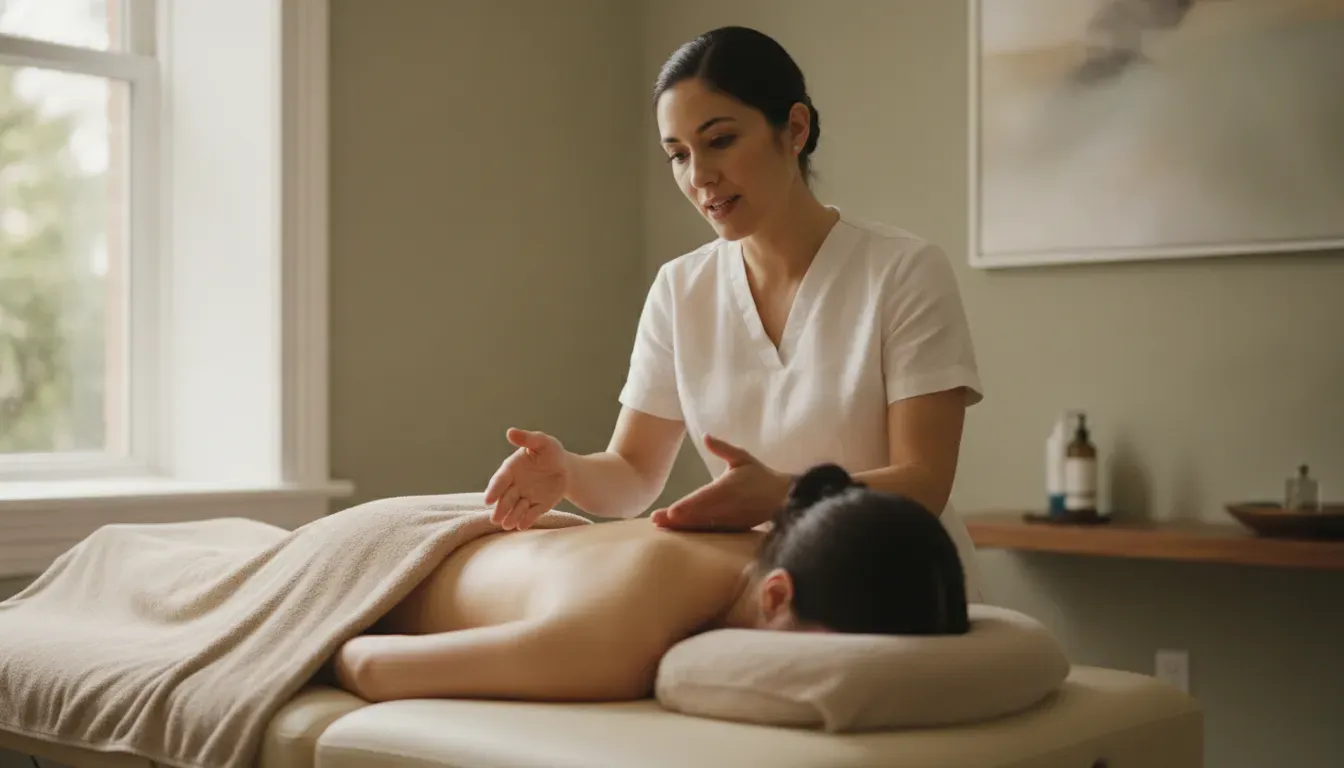

You chose a specialized doctor for your pregnancy care, right? You wouldn’t trust just anyone with your health and your baby’s. The same logic should apply to your massage therapy. A prenatal massage is not just a gentle back rub; it’s a specific modality that requires advanced training in the anatomy of a pregnant body. A certified therapist knows how to position you safely and address common discomforts without risk. So when you see an offer for a Massage Envy prenatal massage, it’s fair to wonder if the therapist you’re assigned has that crucial certification. Let’s explore why specialized care matters so much and what to look for in a provider.
Key Takeaways
- Seek out a certified specialist: A prenatal massage is a unique therapy, so it’s essential to find a therapist specifically trained in the anatomy of a pregnant body and safe, side-lying positioning.
- View it as therapeutic care: This is more than a luxury; it’s a practical tool for managing common pregnancy issues like back pain, swelling, stress, and poor sleep.
- Advocate for your well-being: Always get your doctor’s approval before booking, and then confirm your therapist is certified in prenatal techniques to ensure you receive a safe and effective session.
What Is a Prenatal Massage?
A prenatal massage is a type of hands-on therapy specifically designed for the unique needs of a pregnant body. As your body changes to accommodate a growing baby, you might experience new aches, pains, and stress. A prenatal massage is designed to help with that. It uses gentle, modified techniques to help relax tense muscles, ease sore spots, and improve circulation and mobility.
Think of it as a supportive and nurturing experience tailored just for you during this special time. Unlike a general massage, every aspect of a prenatal session, from the way you lie on the table to the pressure used by the therapist, is carefully considered for the safety and comfort of both you and your baby. The goal is to provide relief and relaxation, helping you feel your best as you prepare for your new arrival. It’s a wonderful way to connect with your changing body and take a moment for some much-needed self-care.
Prenatal vs. Regular Massage
So, what makes a prenatal massage different from the Swedish or deep tissue massage you might be used to? The main difference is the approach. While a regular massage can focus on deep, intense pressure to work out knots, a prenatal massage prioritizes safety and gentleness. It often incorporates techniques from Swedish massage, which uses long, gliding strokes to promote relaxation and increase circulation.
The pressure is typically lighter, and certain areas of the body, like specific pressure points on the ankles and wrists, are avoided. The entire session is adapted to address common pregnancy discomforts like lower back pain, swollen ankles, and shoulder tension, all while ensuring a safe and soothing experience.
Specialized Techniques and Safe Positioning
Proper positioning is one of the most important parts of a safe prenatal massage. You won’t be lying face-down on a standard table. Instead, the safest and most comfortable position is lying on your side, supported by pillows and bolsters to keep your spine aligned and take pressure off your belly and lower back. Some places offer tables with a cutout for the belly, but experts often advise against them as they can cause the uterine ligaments to stretch uncomfortably.
This is why it’s so important to see a therapist who has received specialized training in prenatal massage. They understand the anatomical changes of pregnancy and know exactly how to position you and what techniques to use to provide relief without posing any risk.
Is It Safe in the First Trimester?
This is a question I hear all the time. According to the American Pregnancy Association, you can receive a massage at any point during your pregnancy. However, many massage therapists and spas will not offer massage during the first trimester. This isn’t because the massage itself is dangerous, but because the risk of miscarriage is naturally highest during the first 12 weeks.
Out of an abundance of caution, many practitioners prefer to wait until the second trimester to begin massage therapy. It’s a policy designed to protect everyone involved. The best first step is always to talk with your doctor to make sure massage is right for you, and then have an open conversation with your certified prenatal massage therapist about their policies and your comfort level.
The Benefits of Prenatal Massage
Pregnancy is an incredible journey, but it asks a lot of your body. From shifting hormones to the physical demands of carrying a growing baby, it’s normal to feel overwhelmed and uncomfortable. A prenatal massage isn’t just a pampering session; it’s a therapeutic practice designed to support your body and mind through these changes. It provides a dedicated time for you to rest, reconnect with your body, and get relief from common pregnancy-related discomforts. The benefits go far beyond a simple back rub, helping to create a healthier and more comfortable pregnancy experience for both you and your baby.
Ease Stress and Anxiety
Your body is working overtime, and your hormones are on a rollercoaster. It’s no wonder many expectant mothers feel more anxious or stressed than usual. Prenatal massage can be a wonderful way to find your calm. Studies from the American Pregnancy Association show that massage therapy helps regulate key hormones. It can decrease hormones like cortisol (the stress hormone) while increasing levels of serotonin and dopamine, which are your body’s natural mood lifters. This hormonal rebalancing can lead to improved mood, fewer feelings of anxiety, and a greater sense of emotional well-being. It’s a quiet, restorative hour that helps you feel more like yourself again.
Soothe Aches and Pains
As your baby grows, your center of gravity shifts, putting new stress on your back, hips, and abdominal muscles. This often leads to a symphony of aches and pains, from a sore lower back to sciatic nerve pain that shoots down your leg. A professional prenatal massage targets these specific areas of tension. A trained therapist understands the anatomy of a pregnant body and uses safe techniques to release tight muscles, ease joint pain, and provide lasting relief. Whether you’re dealing with headaches, stiff shoulders, or sore hips, a therapeutic prenatal massage can help you manage this discomfort and move through your day with greater ease.
Improve Sleep and Circulation
Finding a comfortable sleeping position can feel like an impossible task during pregnancy, leading to restless nights. Prenatal massage can help you get the restorative sleep you need. By soothing the nervous system and relieving physical discomfort, massage makes it easier to relax and fall asleep. It also works wonders for circulation. Many pregnant women experience swelling, or edema, in their legs, ankles, and feet. Massage helps stimulate soft tissues to reduce the collection of fluid in swollen joints. Improved circulation also means that more oxygen and nutrients are delivered to both you and your baby, supporting overall health and helping you feel more energized.
Prenatal Massage Myths, Busted
Pregnancy is an exciting time, but it can also come with a lot of questions and unsolicited advice, especially when it comes to self-care. Prenatal massage is a wonderful way to find relief and relaxation, but misinformation can cause unnecessary worry. Let’s clear the air and bust some of the most common myths so you can make an informed decision about your wellness journey.
Myth: It’s Unsafe During Pregnancy
This is probably the biggest concern we hear, and it’s completely understandable. The good news is that for most people, prenatal massage is perfectly safe. In fact, the American Pregnancy Association notes it can be a helpful addition to your regular prenatal care. The key is to follow two simple rules: get the green light from your doctor first, and choose a therapist who is certified in prenatal techniques. Once you have your doctor’s approval, a skilled therapist will know exactly how to provide a safe, comfortable, and beneficial massage at every stage of your pregnancy.
Myth: Any Therapist Can Perform One
A massage is a massage, right? Not when you’re pregnant. Your body is going through incredible changes, and a standard massage doesn’t account for them. It’s crucial to see a therapist who is specially trained in prenatal care. These professionals understand the anatomy and physiology of a pregnant body. They know which areas to avoid, what techniques are appropriate, and how to position you with supportive pillows and bolsters to ensure the safety of both you and your baby. This specialized knowledge is not part of standard massage training, so always confirm your therapist’s credentials.
Myth: It’s Just a Regular Massage
If you’re expecting a deep tissue session, you might be surprised. A prenatal massage is a unique modality designed specifically for the needs of expectant mothers. The techniques are modified to be gentle yet effective, focusing on relieving common pregnancy discomforts like lower back pain, swollen ankles, and sciatic nerve pain. You won’t be lying flat on your stomach or back (especially after the first trimester). Instead, you’ll be comfortably positioned on your side with plenty of pillows for support. The goal isn’t aggressive muscle work; it’s about promoting relaxation, improving circulation, and soothing the aches of pregnancy.
What to Ask Before Booking at a Massage Chain
Booking a prenatal massage should be an exciting step toward finding some much-needed relief. But before you schedule an appointment at a large massage chain, it’s smart to do a little homework. While the convenience and pricing can be tempting, the experience can vary quite a bit from one location to another, and even from one therapist to another within the same spa. Their business model often focuses on volume, which can sometimes mean less emphasis on specialized care. Your body is going through incredible changes, and you deserve a massage experience that is not only relaxing but also completely safe for you and your baby.
Taking a few minutes to ask the right questions can make all the difference. Think of it as a mini-interview to ensure the spa and the therapist are the right fit for your prenatal needs. This isn’t about being difficult; it’s about advocating for your own well-being. A reputable establishment will welcome your questions and provide clear, confident answers. If they seem unsure or dismissive, that’s a valuable piece of information, too. Let’s walk through a few key things to ask to make sure you’re in good hands.
Ask About Therapist Training
Not every massage therapist is qualified to perform a prenatal massage. This is a specialized skill that requires a deep understanding of how a pregnant body changes. A properly trained therapist knows which areas to avoid, what kind of pressure is safe, and how to address common pregnancy-related discomforts. The American Pregnancy Association notes that it’s very important to see a therapist who is certified in prenatal massage. When you call to book, ask directly: “Is the therapist who will be working with me certified in prenatal massage?” At a chain, you may be assigned to any available therapist, so confirming their specific training is a crucial first step for your peace of mind.
Confirm Your Comfort and Safety
How you’re positioned during the massage is key to both your comfort and your baby’s safety. The safest and most comfortable position for a prenatal massage is lying on your side, supported by pillows and bolsters. Some places use tables with a cutout for the belly, but these can actually cause problems by allowing your stomach to dangle unsupported, which can strain your uterine ligaments. Don’t hesitate to ask, “How will I be positioned during the massage?” A knowledgeable therapist will immediately describe a side-lying setup. This ensures your spine stays aligned and there’s no pressure on your abdomen or the major blood vessels that supply your baby.
Understand Their Booking Policies
It might seem obvious, but always mention that you’re pregnant when you book your appointment. Some women have shared stories of being turned away at the door because the spa wasn’t informed ahead of time and didn’t have a certified therapist available. On the other hand, not disclosing your pregnancy could result in being treated by someone without the right training, which is a risk you don’t want to take. A quick, upfront question like, “What are your policies for prenatal clients, and are there any trimester restrictions?” can save you from a wasted trip and ensure the spa is fully prepared to provide you with a safe and effective prenatal massage.
Massage Chain Pricing: Members vs. Non-Members
When you look into booking a prenatal massage at a large chain, you’ll quickly notice that pricing isn’t always straightforward. These businesses often operate on a membership model, which creates different price points for members versus walk-in clients. Understanding this structure is key to figuring out what you’ll actually pay and whether it’s the right fit for you during your pregnancy. It’s a different approach from independent studios, where you typically see one clear price for a high-quality service.
Member vs. Non-Member Pricing
At a chain like Massage Envy, being a member significantly changes the cost of your sessions. If you’re not a member, a single prenatal massage might cost you around $130. However, if you sign up for their monthly membership, that price for any additional massages drops to about $70. The membership itself includes one 60-minute session each month, which can be a great incentive if you’re planning on regular self-care. This model can be cost-effective for consistent appointments, but it does mean committing to a monthly fee, so it’s worth considering how often you’ll truly be able to go.
What About First-Time Offers?
To encourage new clients to give them a try, many chains provide a one-time introductory offer. For example, a first-time guest at Massage Envy can often get a prenatal massage for a promotional rate of around $80. This can be an appealing way to experience a prenatal massage without paying the full non-member price or signing up for a long-term plan. It’s a good opportunity to see if you like the environment and the service. Just remember that this is a one-off deal, and future visits will be at the higher non-member rate unless you decide to join their membership program.
How to Prepare for Your First Prenatal Massage
Getting ready for your first prenatal massage is exciting, and a little preparation can help you feel completely at ease. Knowing what to do beforehand ensures you get the most out of your session, allowing you to fully relax and enjoy the experience. It’s all about making sure you feel safe, comfortable, and heard from the moment you decide to book your appointment. These simple steps will help you prepare for a wonderfully restorative massage that’s tailored just for you and your baby.
Consult Your Doctor
Before you book any massage during pregnancy, your first step should always be a conversation with your doctor or midwife. While prenatal massage is widely considered safe and beneficial, your healthcare provider knows your specific situation best. They can give you the green light and mention any personal considerations you should share with your therapist. The American Pregnancy Association also recommends this step to ensure massage therapy is a good fit for your unique pregnancy journey. Think of it as a team effort; getting your doctor’s input is a simple way to ensure peace of mind so you can fully relax on the massage table.
Communicate with Your Therapist
Once you have your doctor’s approval, it’s time to find the right therapist. It’s essential to choose someone who is certified in prenatal massage. These professionals have specialized training in the anatomy and needs of a pregnant body. At Nola Bliss, our therapists are experienced in providing safe and effective prenatal massage. Don’t hesitate to be open with your therapist. Let them know about any aches, pains, or areas of sensitivity. Tell them about any morning sickness or other symptoms you’re experiencing. This open dialogue helps your therapist customize the session to your exact needs, ensuring you feel comfortable and cared for throughout your appointment.
What to Expect During the Session
Your comfort and safety are the top priorities during a prenatal massage. Instead of lying on your stomach, you will be positioned on your side with plenty of pillows and cushions for support. This side-lying position takes all pressure off your abdomen and lower back, allowing you to relax completely. It’s the safest and most comfortable way to receive a massage during pregnancy. Your therapist will use gentle but effective techniques to soothe sore muscles, reduce swelling, and improve circulation. The goal is to provide relief and relaxation, so the pressure will always be adjusted to your comfort level. Just close your eyes, breathe deeply, and let your therapist take care of the rest.
Is a Massage Chain Right for Your Prenatal Care?
When you’re expecting, finding ways to relax and ease discomfort is a top priority. The convenience of a massage chain might seem appealing, but it’s worth asking if it’s the best choice for your pregnancy journey. Prenatal massage isn’t just a gentle back rub; it’s a specialized form of bodywork that requires a deep understanding of the changes your body is going through. Your comfort and safety, and that of your baby, are the most important things.
Choosing where to get your massage involves more than just finding a good deal. It’s about finding a therapist with the right expertise who can provide genuine relief. An independent studio that focuses on specialized prenatal care often has therapists with advanced training dedicated to supporting moms-to-be. Before you book, let’s look at why a specialist matters and what you might encounter at a larger chain.
Why a Specialized Therapist Matters
Think of it this way: you see an OB-GYN for your pregnancy, not just a general practitioner. The same principle applies to massage. The American Pregnancy Association recommends finding a therapist who is specially trained and certified in prenatal massage. These therapists understand the unique anatomy and physiology of a pregnant body. They know which areas to focus on, which to avoid, and how to position you safely with pillows and bolsters to prevent strain on your uterine ligaments and maintain healthy circulation. This expertise allows them to effectively address common issues like lower back pain, sciatica, and swelling, providing real therapeutic benefits beyond simple relaxation.
Potential Downsides of a Chain Massage
While some chains offer prenatal massage, the experience can be inconsistent. Due to concerns about liability, some locations have restrictive policies, sometimes refusing to see clients in their first trimester or even turning them away altogether. This can be incredibly frustrating when you’re just trying to find relief. Furthermore, even if you get on the table, the therapist may not have the specific training needed for an effective session. We’ve heard stories of massages where the positioning was awkward, preventing the therapist from properly accessing and relieving tense muscles. When you’re investing your time and money, you deserve more than a generic session; you deserve true therapeutic relief.
Experience Prenatal Massage at Nola Bliss
If you’re looking for a prenatal massage experience that prioritizes your specific needs and well-being, a specialized studio is your best bet. While chains offer accessibility, they often can’t match the focused, therapeutic care you’ll find with dedicated practitioners. At Nola Bliss, we see prenatal massage as a vital part of your pregnancy journey. The American Pregnancy Association notes that this special type of massage uses gentle pressure to help relax muscles and improve blood flow, which is exactly what our trained therapists focus on.
Our entire approach is built around providing a safe, comfortable, and deeply therapeutic experience for expectant mothers. We understand that you’re not just looking for a bit of relaxation; you’re seeking genuine relief and support during a transformative time. Our studio offers a quiet, professional environment where your health and comfort are the top priority, setting us apart from the one-size-fits-all model you might find elsewhere. Here, you aren’t just another appointment on the schedule. You are a valued client receiving personalized care from a therapist who is invested in your well-being. From the moment you book with us, you’ll notice the difference that comes from a team that is passionate about the art of massage.
Our Specialized Approach to Prenatal Care
Your body is doing incredible work, and it deserves care from someone who truly understands its unique needs during pregnancy. As the American Pregnancy Association points out, “It’s very important to go to a massage therapist who is specially trained and certified in prenatal massage.” This isn’t just a suggestion; it’s essential for your safety and comfort. Our licensed massage therapists have extensive training and experience in prenatal massage, knowing exactly how to position you safely and apply techniques that address common pregnancy discomforts. They understand the physiological changes you’re going through and tailor every session to provide effective relief while protecting both you and your baby.
Customize Your Session with Safe Enhancements
We believe your massage should be as unique as your pregnancy. A prenatal massage can be a wonderful addition to your regular care, offering both emotional and physical benefits that support a healthier, happier nine months. To make your session even more restorative, we offer enhancements that are safe for pregnancy. You can add our Hot Himalayan Salt Stones to your massage to gently soothe sore muscles and melt away tension. These carefully selected additions allow you to personalize your experience for maximum comfort and relief, helping you feel truly cared for.
Book Your Prenatal Massage
Ready to give yourself the gift of relief? The first and most important step is to “always discuss prenatal massage with your healthcare provider before starting,” as recommended by the American Pregnancy Association. Once you have your doctor’s approval, we would be honored to care for you. Our team is here to answer any questions you may have to ensure you feel completely confident and comfortable. You can easily book your appointment online to find a time that works for you. We look forward to supporting you on your path to motherhood.
Related Articles
Frequently Asked Questions
Is it really safe to get a massage at any point during pregnancy? Your first step should always be to get approval from your doctor. While prenatal massage is considered safe for most pregnancies, every person is different. Once you have your doctor’s okay, you can confidently book with a certified therapist. Many practitioners choose to wait until the second trimester to begin massage, not because it’s inherently risky, but as an extra precaution during the delicate first 12 weeks.
Can’t I just book a regular massage and ask the therapist to be gentle? A prenatal massage involves much more than just light pressure. A certified prenatal therapist has advanced training in how to position you safely on your side with pillows to support your joints and prevent strain on your uterine ligaments. They also know which specific acupressure points and areas of the body to avoid entirely. This specialized knowledge is crucial for keeping both you and your baby safe and comfortable.
What if I feel uncomfortable during the massage? You should always feel empowered to speak up. Your comfort is the top priority, and a professional therapist wants your feedback. If the pressure feels off, a position isn’t working, or you simply feel unwell, let your therapist know immediately. They can make adjustments right away to ensure the experience is relaxing and beneficial for you. This is your time, and you are in control.
How often should I get a prenatal massage? This is a personal decision that depends on how you feel, your budget, and your doctor’s recommendations. Many women find that a monthly massage during the second trimester is a great way to manage aches and stress. As you get into the third trimester, you might find that more frequent sessions, perhaps every two weeks, provide welcome relief from the increased physical demands on your body.
Can my partner and I get a couples massage if I need a prenatal massage? Absolutely. A couples massage can be a wonderful way for you and your partner to connect and relax together before your new arrival. At a studio equipped for it, like Nola Bliss, you can enjoy your session in the same room. A therapist certified in prenatal massage will care for you, while your partner can receive their own preferred service, like a Swedish or deep tissue massage.