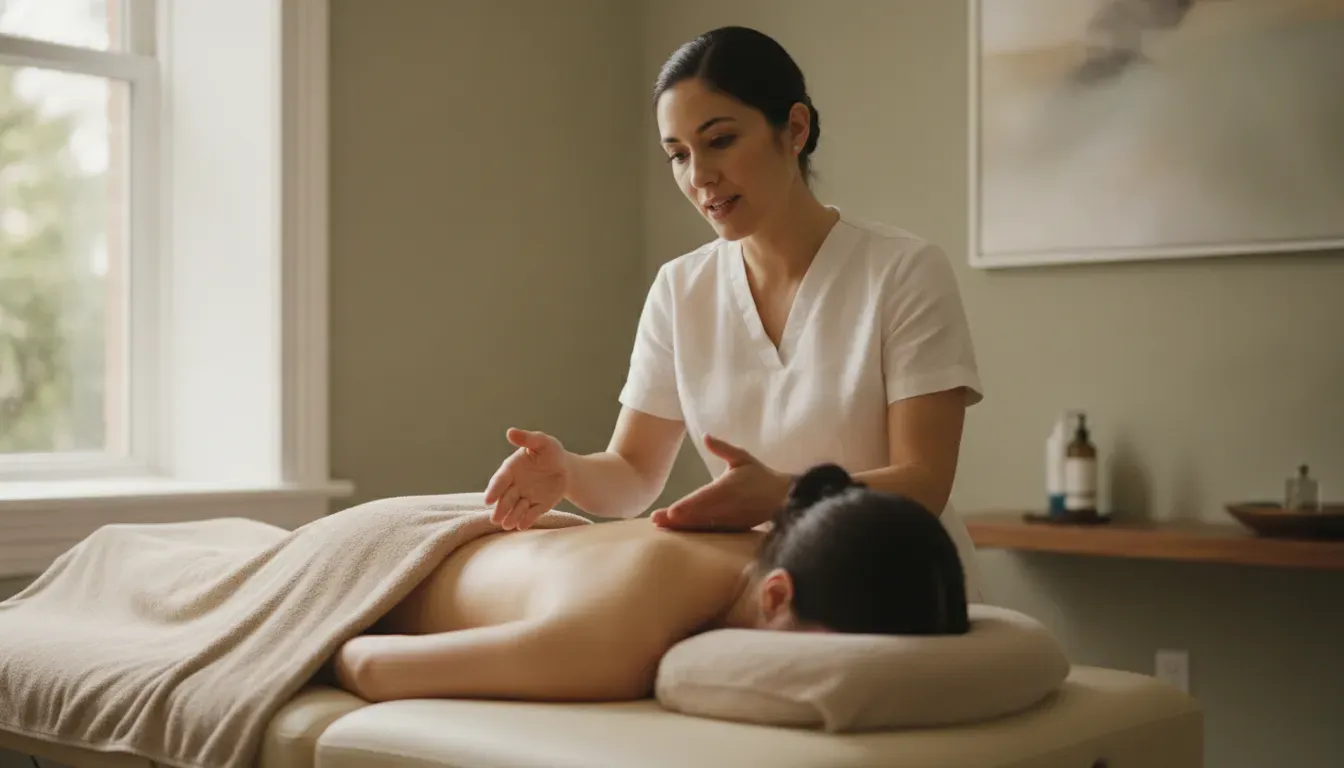

You’re in New Orleans for the conventions, the festivals, and that incredible energy. But all that walking and excitement can do a number on your body. A sore back can quickly sideline your plans, turning a dream trip into an uncomfortable one. Instead of just pushing through the pain, make a therapeutic massage part of your itinerary. It’s the perfect way to recover from a long flight or a full day exploring the French Quarter. Finding a quality massage for back pain in New Orleans will leave you feeling refreshed and ready for whatever the city throws your way. This guide will help you find the right treatment to get you back on your feet.
Key Takeaways
- Massage Addresses the Root Cause of Pain: Therapeutic massage is more than a temporary fix; it works by releasing the deep muscle tension that pulls on your skeletal system, improving circulation to help tissues heal, and prompting your body to release its own pain-relieving endorphins.
- Match the Technique to Your Needs: The most effective treatment is one that’s right for you. Choose a focused deep tissue massage for chronic knots, consider Ashiatsu for profound, consistent pressure, or start with a Swedish massage for overall relaxation and stress relief.
- Communication is Crucial for Great Results: You are an active partner in your healing. Get the most out of every session by clearly explaining your pain points to your therapist and providing feedback on pressure to ensure the treatment is tailored perfectly to you.
Can Massage Really Help Your Back Pain?
If you’re dealing with back pain, you know it can affect every part of your day, from your productivity at work to your ability to relax at home. While the causes are different for everyone, the solution is often simpler than you think. Therapeutic massage is a powerful, non-invasive way to address the root causes of back pain and find lasting relief. It’s not just about feeling good for an hour; it’s about helping your body heal itself.
By focusing on the muscles and connective tissues that support your spine, a skilled massage therapist can help release chronic tension, improve your range of motion, and get you back to feeling like yourself. Whether your pain is a new development or something you’ve lived with for years, understanding how massage works is the first step toward taking control and finding a solution that fits your life.
What’s Causing Your Back Pain?
Back pain often stems from one simple thing: muscle tension. This can be caused by a whole host of daily activities—sitting at a desk for hours, lifting something improperly, an intense workout, or even emotional stress. When your muscles become overly tight and contracted, they can pull on your skeletal system and restrict blood flow. This lack of circulation prevents oxygen and vital nutrients from reaching the tissue, which can lead to inflammation, stiffness, and that familiar aching sensation. A professional massage directly addresses this cycle by manually working to release that built-up tension, helping your body find its natural balance again.
How Does Massage Actually Relieve Pain?
Massage therapy provides relief by getting to the source of the pain. A therapist uses targeted pressure to loosen tight muscle fibers, which immediately reduces strain on your back. This process also improves circulation, flushing out metabolic waste and bringing fresh, oxygenated blood to the affected areas, which helps reduce inflammation and promotes healing. Different massage services use various techniques to achieve this. A gentle Swedish massage can soothe general tension, while a deep tissue massage can target the deeper layers of muscle where chronic knots and adhesions are stored, offering more profound and lasting relief for stubborn pain.
Understanding Your Body’s Protective Response
When you experience back pain, your body’s first instinct is to protect itself. It sends pain signals and automatically tightens the surrounding muscles in a process called “splinting.” While this is a natural defense mechanism meant to prevent further injury, it can often make the problem worse. This constant muscle contraction restricts blood flow, increases stiffness, and can lead to a chronic cycle of pain and tension. A therapeutic massage helps interrupt this cycle. By applying skilled pressure, a therapist can signal to your nervous system that it’s safe to let go, encouraging those guarded muscles to relax and releasing the grip that’s contributing to your discomfort.
A Long History of Healing
Massage isn’t just a modern luxury; people have used it for healing and pain relief for over 5,000 years. Today, that long history is backed by modern recognition, with doctors and pain specialists viewing massage as a legitimate and helpful way to treat pain. Unlike a general full-body treatment you might get at a spa, a therapeutic massage is different. It focuses specifically on the painful areas, like your lower back, to address the underlying issues. This targeted approach is designed to release deep-seated tension, break up knots, and restore mobility right where you need it most, offering a focused solution for effective relief.
Why Consistency Is Key for Back Pain Relief
The immediate feeling of relief you get from a massage isn’t just in your head; it’s backed by science. The physical manipulation of your muscles triggers the release of endorphins, which are your body’s natural painkillers and mood elevators. This is why you often feel so relaxed and happy after a session. But the benefits are cumulative. Regular massage helps retrain your muscles to stay in a more relaxed state, preventing the tension from building back up. For lasting results, think of massage as part of your ongoing wellness routine. Consistent sessions can help manage chronic conditions, prevent future injuries, and maintain a healthy, pain-free back.
Which Massage Is Best for Your Back Pain?
Choosing the right massage can feel like a big decision, but it’s really about matching the technique to your specific needs and comfort level. Whether you’re dealing with a dull, persistent ache or sharp, targeted pain, there’s a massage style that can help. Think of your massage therapist as a partner in your wellness journey; they will work with you to find the perfect approach. Let’s look at some of the most effective options for back pain relief so you can walk into your appointment with confidence.
Deep Tissue for Chronic Aches
If you have chronic muscle tension or knots that just won’t quit, a deep tissue massage might be exactly what you need. This technique goes beyond surface-level relaxation to target the deeper layers of your muscle and connective tissue. Your therapist will start with lighter pressure to warm up your muscles before applying slower, more forceful strokes to release stubborn tension. It’s incredibly effective for relieving chronic aches and pains, especially in areas like the neck, shoulders, and lower back. A deep tissue massage is a focused, therapeutic treatment designed to help your muscles recover and function better.
Ashiatsu for a Deeper Level of Relief
For a truly profound level of relief, consider Ashiatsu. In this unique therapy, the massage therapist uses their feet to deliver deep, consistent pressure, using overhead bars for balance and support. This technique allows for a much broader pressure than hands or elbows can provide, which can feel incredibly soothing and effective. Ashiatsu Deepfeet Bar Therapy is especially beneficial for those with chronic lower back pain, sciatica, or general tightness in large muscle groups. It provides deep compression without the sharp discomfort that can sometimes come with more pointed deep tissue work, making it a favorite for many.
Swedish Massage for Relaxation and Gentle Relief
If you’re new to massage or simply looking for overall relaxation and stress reduction, a Swedish massage is a classic choice for a reason. This style uses long, gentle, gliding strokes combined with kneading and circular movements to ease muscle tension and improve circulation. While it’s gentler than deep tissue, a Swedish massage is still highly effective for relieving mild back pain and stiffness caused by everyday stress. It’s a wonderful way to calm your nervous system, reduce anxiety, and leave you feeling refreshed and restored from head to toe.
Other Massage Styles to Consider
Beyond the most common options, a few other specialized massage styles offer unique benefits for back pain. While they differ in their approach, each one is designed to provide targeted relief by addressing the body in a specific way. Learning a bit about them can help you have a more informed conversation with your therapist about what your body needs. Whether you’re an athlete in recovery or someone looking for a more holistic approach, there’s a style of bodywork that can help you on your path to feeling better.
Therapeutic Massage
Unlike a massage designed purely for relaxation, a therapeutic massage is all about achieving a specific outcome. It focuses directly on painful areas, like a stiff neck or a sore lower back, to address the source of your discomfort. The goal is to target the soft tissues, including muscles and tendons, to relieve pain and improve function. Many of the most effective treatments for back pain, including deep tissue and Ashiatsu, fall under the umbrella of therapeutic massage because they are focused on providing tangible, lasting relief from specific issues.
Sports Massage
You don’t have to be a professional athlete to benefit from a sports massage. This style is designed to help anyone recover from physical activity, prevent injury, and reduce muscle soreness. If your back pain is from a tough workout, a long run, or even just a few days of walking much more than usual while exploring New Orleans, this could be a great fit. A sports massage often incorporates a variety of techniques, including stretching, to help restore flexibility and get you ready for your next adventure.
Shiatsu Massage
Shiatsu is a Japanese bodywork technique rooted in the principles of traditional Chinese medicine. Instead of focusing on muscles, a Shiatsu practitioner uses rhythmic, sustained pressure on the body’s acupuncture points. The goal is to promote the healthy flow of energy, or “qi,” throughout the body to relieve tension and restore balance. It’s typically performed with the client fully clothed and can be a great option for those seeking a less invasive but still deeply effective form of relief for their back pain.
Advanced Professional Massage Techniques
A truly great massage is more than just a routine; it’s a personalized treatment where a skilled therapist draws from a deep well of knowledge to address your body’s unique needs. During your session, an experienced therapist will often incorporate advanced techniques to target specific problems they identify. You might not even notice the subtle shifts in their approach, but these methods are what make a therapeutic massage so effective. They are the key to releasing stubborn knots, breaking down scar tissue, and restoring healthy movement, and they are a hallmark of the work done by a dedicated, highly trained professional.
Myofascial Release
Your muscles are encased in a web of connective tissue called fascia. When you experience injury or inflammation, this tissue can become tight and restricted, causing pain and stiffness. Myofascial release involves applying slow, steady pressure to these areas to gently stretch and release the tension within the fascia. This technique is fantastic for improving mobility, reducing pain, and helping you move more freely and easily.
Trigger Point Therapy
If you’ve ever had a small, hyper-irritable knot in a muscle that sends pain to another part of your body, you’ve experienced a trigger point. For example, a trigger point in your shoulder might cause a headache. Trigger point therapy applies specific, isolated pressure to these tender spots. This deactivates the knot and can immediately relieve both the local tenderness and the referred pain it was causing elsewhere.
Cross-Fiber Friction
This technique is a powerful tool for healing chronic injuries and breaking down adhesions or scar tissue. To perform it, a therapist applies deep, concentrated pressure back and forth across the affected muscle, tendon, or ligament, going against the grain of the fibers. This friction helps to realign tissue fibers, increase circulation to the area, and stimulate the body’s natural healing process, making it highly effective for old injuries that just won’t seem to go away.
Muscle Stripping
Imagine a long, deep, gliding stroke that runs the entire length of a tight muscle. That’s muscle stripping. By applying this consistent pressure along the muscle fibers, a therapist can help smooth out knots, lengthen the muscle, and release built-up tension. It’s an incredibly effective technique for large muscle groups, like those in your back and legs, that are holding onto chronic tightness.
Pin and Stretch
This active technique delivers a uniquely deep and targeted stretch that’s difficult to achieve on your own. Your therapist will use their hand, forearm, or elbow to “pin” down one section of a muscle while you slowly and actively move to stretch the rest of it. This method isolates a specific area, allowing for a more profound release of tension and a significant improvement in your range of motion.
Want More Relief? Try These Add-Ons
Sometimes, your muscles need a little extra encouragement to let go. Enhancements can take your massage to the next level, providing even more targeted relief for your back pain.
-
Hot Himalayan Salt Stones: Imagine the soothing warmth of smooth, heated stones gliding over your sore muscles. Adding Hot Himalayan Salt Stones to your massage helps to relax muscles more quickly, allowing your therapist to work more effectively. The gentle heat increases blood flow to the area, which can help reduce inflammation and melt away tension for a deeply calming experience.
-
CBD-Enhanced Massage: For those dealing with inflammation and persistent pain, a CBD enhancement can make a significant difference. CBD is known for its natural anti-inflammatory and pain-relieving properties. When applied topically during a massage, it can help soothe sore muscles and joints, providing an extra layer of relief that lasts long after your session ends. All of our massage services can be enhanced with CBD.
Massages Tailored to Specific Back Conditions
Back pain isn’t a one-size-fits-all issue, and your massage shouldn’t be either. Different techniques can be used to address specific conditions, from tension headaches that radiate down your neck to the unique aches of pregnancy. For example, a skilled therapist can use trigger point therapy to release tight knots that cause referred pain in other parts of your body. If you’re expecting, a specialized prenatal massage can safely and effectively relieve the lower back pain that often comes with carrying a baby. Always communicate your specific concerns to your therapist so they can tailor the session just for you.
Important Safety Considerations
While massage is a fantastic tool for managing back pain, it’s important to know when it’s the right tool for the job. Your safety and well-being are the top priority, so let’s cover a few key considerations before you book your appointment. Understanding when to seek medical advice and what to expect during a session will help you get the most out of your therapeutic massage and ensure a safe, healing experience. This knowledge empowers you to be an active participant in your own wellness journey.
When to See a Doctor About Your Back Pain
Massage is most effective for muscle-related pain, but if your back pain is severe, persistent, or keeps you from your daily activities, it’s time to check in with a doctor. Pain that is accompanied by numbness, weakness in your legs, or fever can be a sign of a more serious underlying issue that requires a medical diagnosis. A doctor can help determine the cause of your pain and ensure you’re choosing the best path to recovery. Think of it as gathering all the right information so you and your massage therapist can work together effectively and safely.
Why You Should Talk to Your Doctor First
Even if your pain isn’t at an emergency level, it’s always a smart move to talk with your doctor before starting any new treatment for a chronic condition. This is especially true for long-term back pain. Your doctor can confirm that massage therapy is a safe option for you and rule out any contraindications, like certain injuries or medical conditions where massage could be harmful. Getting a professional diagnosis gives your massage therapist valuable insight, allowing them to customize your session to your specific needs. This collaborative approach ensures that your massage is not only relaxing but also truly therapeutic and aligned with your overall health goals.
Essential Safety Rules for Any Massage
Once you’ve decided to get a massage, the most important safety rule is to choose a qualified and experienced professional. A licensed therapist has extensive training in anatomy and knows how to work safely around sensitive areas, for example, by never applying direct pressure to the spine. During your session, communication is key. A deep tissue massage, for instance, can feel intense, but it should always be within your comfort zone. Don’t hesitate to speak up if the pressure is too much or if something doesn’t feel right. Our therapists are dedicated professionals who will listen to your feedback to ensure your experience is both safe and effective.
How to Find the Best Massage Therapist in New Orleans
Finding the right massage therapist is a personal decision, especially when you’re dealing with back pain. You want someone with the right skills, a professional and calming environment, and a genuine focus on your well-being. New Orleans has many options, from hotel spas to independent studios. Taking a little time to research can make all the difference in your experience and results. Here’s what to consider to find the perfect match for your therapeutic needs.
Why Choose Nola Bliss
When your goal is genuine relief, you want a studio that specializes in therapeutic massage, not just superficial relaxation. At Nola Bliss, our entire focus is on providing high-quality, professional massage therapy. Our team is made up of highly trained and experienced Licensed Massage Therapists who have dedicated their careers to the art of healing. We are known for our expertise in specialized modalities like Ashiatsu Deepfeet Bar Therapy, which is incredibly effective for back pain. Unlike a generic spa, we conduct a thorough intake to understand your specific needs and tailor every session to help you achieve your wellness goals in a professional, dedicated setting.
What Makes a Great Massage Studio?
Beyond a specific therapist, the studio’s atmosphere plays a huge role in your experience. Look for a clean, professional, and tranquil environment where you can truly relax and let go of stress. Reading recent reviews on platforms like Google or Yelp can give you honest insight into what you can expect. Do other clients mention feeling rushed, or do they praise the calm, healing atmosphere? A great studio should feel like a sanctuary, a place where you can unwind away from the city’s hustle. Pay attention to how the staff communicates—they should be welcoming, professional, and happy to answer any questions you have about their services and therapists.
Why Credentials and Experience Matter
Don’t be shy about checking credentials. In Louisiana, therapists must be licensed (LMT), which ensures they’ve met professional standards for training and ethics. For specific issues like chronic back pain, experience matters. Look for a therapist who has advanced training in modalities like deep tissue massage. A great therapist will start with an initial consultation, discussing your health history and specific areas of discomfort. This conversation is key to ensuring they understand your unique needs and can create a safe and effective treatment plan just for you. It shows they are invested in your relief, not just going through the motions.
Should You Consider a Membership?
If you’re looking for long-term relief from back pain, consistency is key. One massage is great, but regular sessions build on each other to create lasting results. Many studios offer memberships or packages that make ongoing care more affordable. This is a fantastic option for locals who want to make massage a regular part of their wellness routine. For visitors celebrating a special occasion, some studios also offer group packages or couples massages. Investing in a package not only saves you money but also helps you commit to taking care of your body on a consistent basis, which is the best way to manage and relieve chronic pain.
Making Sense of Payment Options
Before you book, make sure you’re clear on the cost and what’s included. Reputable studios will have their pricing listed clearly on their website. It’s also a good idea to ask about their policies for tipping, cancellations, and payments. If your massage is for a documented medical reason, some therapists can provide a receipt for you to submit for reimbursement. It’s worth asking if a studio accepts Health Savings Account (HSA) or Flexible Spending Account (FSA) cards for payment, as this can be a great way to cover the cost of therapeutic treatments. Clarifying these details beforehand ensures there are no surprises, so you can fully relax during your appointment.
Your First Massage: What to Expect
Walking into a massage studio for the first time can feel a little mysterious. What should you wear? What will you talk about? Will it hurt? Don’t worry—a professional therapeutic massage is a judgment-free experience designed entirely around your comfort and well-being. Knowing what to expect can help you relax and get the most out of your session, from the moment you walk in the door to the days that follow. Here’s a simple breakdown of what your first appointment will look like.
What Happens Before Your Session?
Your appointment will begin with a private conversation with your licensed massage therapist. They’ll start by discussing your medical history, lifestyle, and any specific areas of pain or discomfort you’re experiencing. This initial chat is crucial; it allows our dedicated team to customize the session just for you, ensuring the techniques used are both safe and effective for your specific needs. This is your time to share your goals, whether you’re seeking relief from a nagging injury or simply want to de-stress. Be open and honest—the more your therapist knows, the better they can help you.
On the Table: The Massage Experience
After your consultation, the therapist will step out to let you get ready in private. You can undress to your comfort level—some people prefer to leave their underwear on, while others remove everything. You’ll lie down on the massage table and cover yourself with the sheet or blanket provided. Throughout the session, you will be professionally draped, with only the area being worked on uncovered. Your only job is to relax and breathe. Your therapist will check in about the pressure, but you should always feel empowered to speak up if you want it adjusted. Whether you’re receiving a gentle Swedish massage or one of our other massage services, communication is key to a great experience.
After Your Session: Essential Self-Care Tips
The benefits of your massage don’t stop when you leave the studio. To help your body process the therapeutic work, be sure to drink plenty of water throughout the rest of the day. This helps flush out any metabolic waste released from your muscles. You might feel a little sore, similar to after a workout, which is completely normal. Gentle stretching or a warm Epsom salt bath can help ease any tenderness and prolong that feeling of relaxation. A warm bath can soothe muscles, much like our Hot Himalayan Salt Stones enhancement does during a session. Listen to your body and give it the rest it needs.
How Often Should You Get a Massage for Back Pain?
While one massage can provide significant relief, consistent sessions are the best way to manage chronic back pain and improve your overall well-being. After your session, your therapist may suggest a follow-up schedule based on your goals. This isn’t a sales pitch; it’s part of a long-term strategy for your health. Ongoing communication with your therapist is vital for assessing your pain and adjusting your treatment plan as your needs change over time. Think of massage as a crucial part of your self-care routine, helping you maintain a healthy, pain-free back for the long haul.
Get the Most Out of Every Massage
A great massage is more than just an hour on the table; it’s a partnership between you and your therapist focused on your well-being. To make sure you get the lasting relief you’re looking for, there are a few simple things you can do before, during, and after your appointment. Think of it as setting the stage for success. By taking an active role in your treatment, you help your therapist deliver the best possible results, turning a good massage into a truly transformative one. These steps ensure every minute of your session counts toward helping you feel your best.
Why Finding the Right Therapist Is Key
Finding a therapist you connect with is the first step toward effective back pain relief. Since every therapist has a unique style and set of skills, it’s worth taking a moment to find the right fit. At Nola Bliss, we believe in the power of a strong client-therapist relationship. We encourage you to read about our team of licensed massage therapists to learn about their specializations and approaches. Whether you need someone who excels at the deep, specific pressure of an Ashiatsu massage or the nurturing touch of a prenatal session, the right expert is here for you. A good match ensures your comfort and maximizes the therapeutic benefits of your massage.
Simple Ways to Prepare for Your Appointment
Arriving at your appointment ready for relaxation can make a world of difference. A few simple preparations can help your muscles respond better to treatment. Taking a warm shower or bath right before you leave home can help begin the process of loosening tight muscles. You can also do some gentle stretching, focusing on your back and any other areas of tension. This doesn’t have to be an intense workout—just a few minutes of light movement can warm up your muscle tissue, making it more receptive to massage. Also, be sure to arrive a few minutes early so you don’t feel rushed and can ease into a calm state of mind.
Don’t Be Shy: How to Talk to Your Therapist
Open communication is the most important tool for a successful massage. Your therapist is here to help, and the more information you provide, the better they can tailor the session to your specific needs. During your initial chat, be honest about your medical history, lifestyle, and exactly where you’re feeling pain. Don’t be shy about speaking up during the massage, either. Let your therapist know if the pressure is too much, not enough, or if they’ve found a spot that needs extra attention. This feedback loop allows them to adjust their technique in real-time, ensuring you get the most effective and comfortable therapeutic massage possible.
Ready for Relief? Here’s How to Book
Ready to take the next step toward back pain relief? Booking your appointment at Nola Bliss is straightforward. All of our sessions are by appointment only to ensure each client receives our full, undivided attention. You can explore our full menu of services, including our popular couples massages, and book your session directly through our website. If you have specific questions or would like a recommendation for which service or therapist would be best for you, feel free to give us a call. We often have same-day appointments available for those in need of more immediate relief.
Maintain Your Results Between Sessions
The benefits of your massage don’t have to end when you walk out the door. A little self-care at home can extend the feeling of relief and help your body process the therapeutic work. The most important thing you can do is drink plenty of water throughout the rest of the day. This helps your system flush out the metabolic waste that was released from your muscle tissues during the massage. You might also consider a warm Epsom salt bath that evening to soothe any residual muscle soreness and further relax your body. Gentle movement, like a slow walk, can also help maintain flexibility and prevent stiffness.
Self-Massage and At-Home Care
While nothing can replace the skill and precision of a licensed massage therapist, there are effective ways to manage your back pain between professional sessions. At-home care can provide short-term relief and help maintain the progress you’ve made. Simple self-massage techniques or a gentle massage from a partner can help ease muscle tension and keep you comfortable. These methods are great for addressing flare-ups or just unwinding after a long day. Think of it as essential maintenance for your body, helping you stay on track with your wellness goals until your next therapeutic massage appointment.
How to Safely Massage Someone Else’s Back
Giving a massage to a friend or partner can be a wonderful way to help them find relief, but it’s important to do it safely. Have them lie on their stomach on a comfortable, firm surface like a bed or the floor. Use a small amount of massage oil or lotion to reduce friction on their skin. The most important rule is to never press directly on the spine. Instead, focus on the muscles on either side of it. Use the palms of your hands to apply long, gentle strokes, and always start with light pressure. This can be a great way to connect, but for a truly therapeutic experience, consider booking a professional couples massage where you can both relax and receive expert care.
Using a Tennis Ball for Self-Massage
A simple tennis ball can be an incredibly effective tool for targeting specific knots in your back. To try this yourself, lie on the floor with your knees bent. Place two tennis balls under your mid-back, with one on each side of your spine. From there, you can gently move your body up and down, allowing the balls to roll along the tight muscles of your lower back. This technique allows you to control the pressure and focus on the exact spots that need attention. It’s a fantastic way to work out trigger points and find relief from localized pain whenever you need it.
Foam Rolling for Lower Back Tension
A foam roller is another excellent tool for releasing general muscle tension at home. To use it for your lower back, lie on your back on a mat and place the foam roller underneath the curve of your lower back. With your knees bent and feet flat on the floor, use your legs to gently roll your body back and forth over the roller. You can shift your weight to apply more or less pressure, targeting areas that feel particularly tight. Foam rolling can help improve circulation and release broad areas of tension, making it a great complement to the more targeted work of a deep tissue massage.
A Holistic Approach: Other Therapies for Back Pain
While therapeutic massage is a cornerstone of effective back pain management, it often works best when integrated into a comprehensive wellness plan. Think of it as one powerful tool in your toolkit for health. Combining professional massage with other treatments and mindful lifestyle adjustments can create a synergistic effect, addressing your pain from multiple angles for more sustainable relief. By taking a holistic approach, you empower yourself to not only treat the symptoms but also address the underlying causes of your discomfort, paving the way for long-term well-being. This approach ensures you’re caring for your whole self, not just the area that hurts.
Medical Treatments and Physical Therapy
When back pain is severe or persistent, it’s always wise to consult a doctor to rule out any serious underlying issues. They might recommend a course of physical therapy to strengthen supporting muscles and improve your posture and body mechanics. Other common medical suggestions include using heat or ice packs to manage inflammation, taking anti-inflammatory medications for acute pain, and learning how to move properly, especially when lifting. These treatments can work hand-in-hand with massage therapy. While medical interventions manage acute symptoms, massage can address the chronic muscle tension that often contributes to the problem in the first place.
Alternative Therapies to Explore
Beyond conventional medicine, therapies like massage offer a personalized path to healing. A skilled massage therapist doesn’t just follow a routine; they create a unique treatment plan based on your specific symptoms, daily habits, and movement patterns. This is where techniques like deep tissue massage truly shine, as they are highly effective for long-term back pain relief by targeting the root cause of muscle dysfunction. At a dedicated studio like Nola Bliss, the focus is entirely on this therapeutic process, ensuring your therapist has the expertise to assess your needs and apply the right techniques to help your body heal and find balance.
Lifestyle Changes for Long-Term Relief
The relief you feel after a massage can be extended and amplified by making small, consistent changes to your daily routine. Regular massage helps retrain your muscles to hold less tension, but supporting that work with healthy habits is crucial for lasting results. This includes being mindful of your posture while sitting and standing, incorporating gentle stretching into your day, and engaging in regular, low-impact exercise to keep your back strong and flexible. By viewing massage as a vital part of your ongoing wellness routine, you can prevent tension from building back up and maintain a healthier, more resilient back.
Beyond Back Pain: Other Conditions Massage Can Help
While we’ve focused on back pain, the benefits of therapeutic massage extend to a wide range of conditions affecting your entire body. The same principles that make it effective for a sore back—releasing muscle tension, improving circulation, and calming the nervous system—can bring relief to many other areas. Therapeutic massage is a versatile treatment that can decrease pain and significantly improve your range of motion, making it a valuable tool for overall health and well-being. It’s a proactive way to care for your body, addressing minor issues before they become chronic problems and helping you feel your best from head to toe.
Many common ailments can be traced back to muscular tension and stress. For instance, chronic headaches and migraines often originate from tightness in the neck and shoulders. Massage can also provide relief for TMJ dysfunction, whiplash injuries, and general neck pain by releasing the specific muscles involved. It’s also highly effective for issues in the lower body, such as knee pain, hip discomfort, and strains from overuse. Beyond physical pain, massage has a profound impact on mental well-being, helping to ease anxiety, manage symptoms of fibromyalgia, and combat stress-related insomnia. By scheduling regular massage services, you’re investing in a holistic solution that supports both your physical and mental health.
Related Articles
- Ashiatsu | Nola Bliss Massage Therapy
- Massage Services | Nola Bliss Massage Therapy
- Couples Massage | Nola Bliss Massage Therapy
Frequently Asked Questions
How often should I get a massage for my back pain? The ideal frequency really depends on your specific situation—what’s causing your pain and how long you’ve been dealing with it. For acute pain, you might find relief with a few sessions scheduled closely together. For chronic issues, a consistent monthly or bi-weekly massage can be a game-changer for managing pain and preventing flare-ups. Your therapist will work with you after your first session to recommend a schedule that makes sense for your body and your goals.
I’m worried a deep massage will be painful. Will it hurt? This is a common concern, and it’s important to know the difference between therapeutic discomfort and actual pain. During a deep tissue or Ashiatsu massage, your therapist works on deep-seated knots, and you might feel a satisfying, intense pressure. However, it should never be sharply painful. Your therapist will communicate with you throughout the session, and you should always feel comfortable speaking up if the pressure needs to be adjusted. The goal is to release tension, not to endure pain.
Which type of massage is best for my specific back pain? The best massage is the one that’s tailored to you. If you’re dealing with overall tension and stress, a Swedish massage is a wonderful choice. For stubborn knots and chronic pain, a Deep Tissue massage or Ashiatsu Deepfeet Bar Therapy will provide more targeted and profound relief. The best approach is to discuss your symptoms and preferences with your therapist during your initial consultation so they can recommend the perfect modality for your needs.
What’s the real difference between a massage at a specialized studio versus a hotel spa? While both can be relaxing, the focus is quite different. A hotel spa often centers on general relaxation and pampering as part of a broader amenity package. A dedicated therapeutic studio like Nola Bliss is focused entirely on the craft of massage for healing and pain relief. Our therapists are career professionals with advanced training in specific modalities, and every session is customized to address your unique muscular issues and wellness goals.
Can I still get a massage if I’m pregnant? Absolutely. In fact, massage can be incredibly beneficial for relieving the lower back pain, sciatica, and general discomfort that often come with pregnancy. It’s essential to see a therapist who is certified in prenatal massage, as they are trained to use safe techniques and positioning to ensure the comfort and safety of both you and your baby. A prenatal massage is a wonderful way to support your body through this special time.