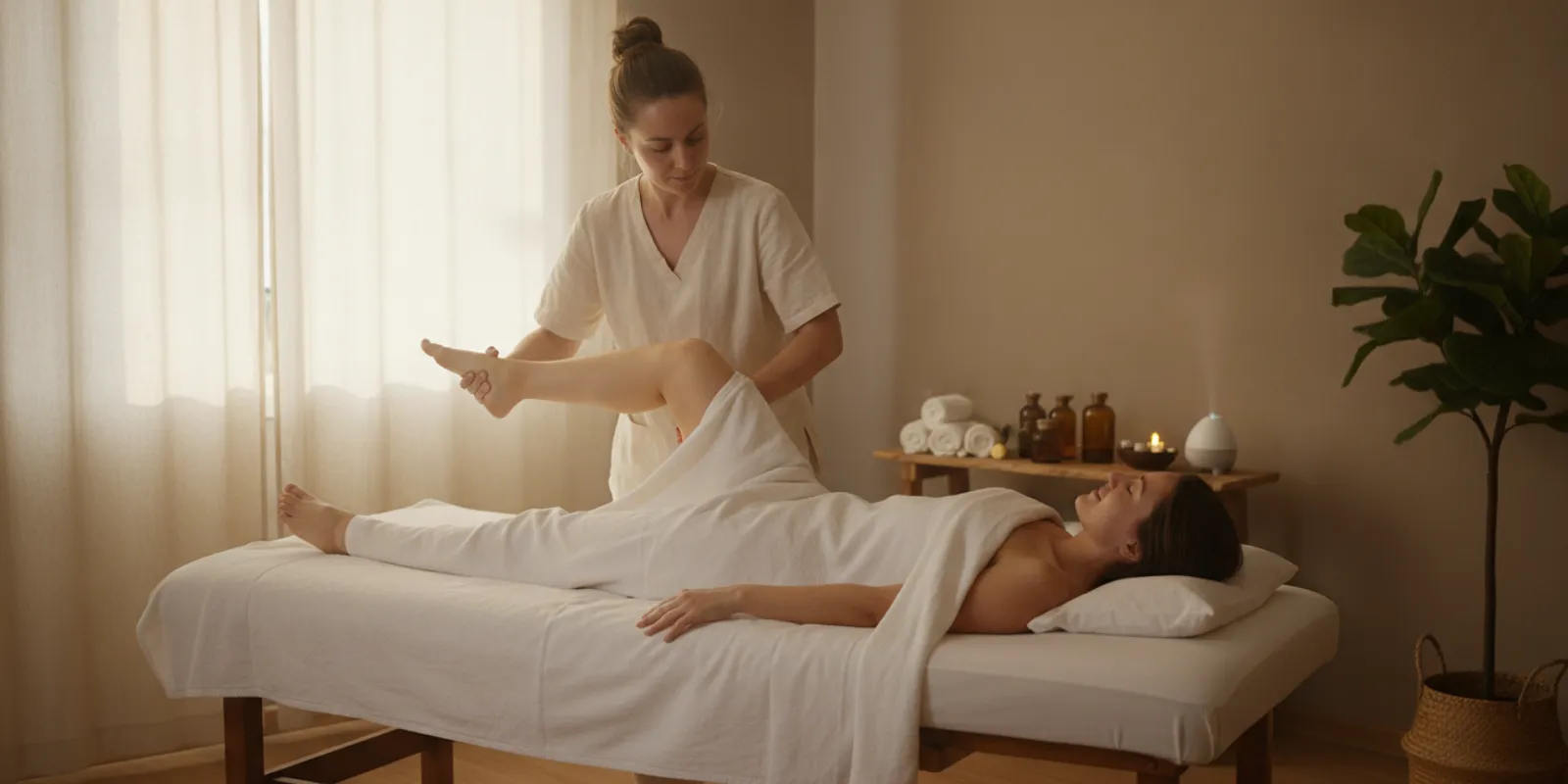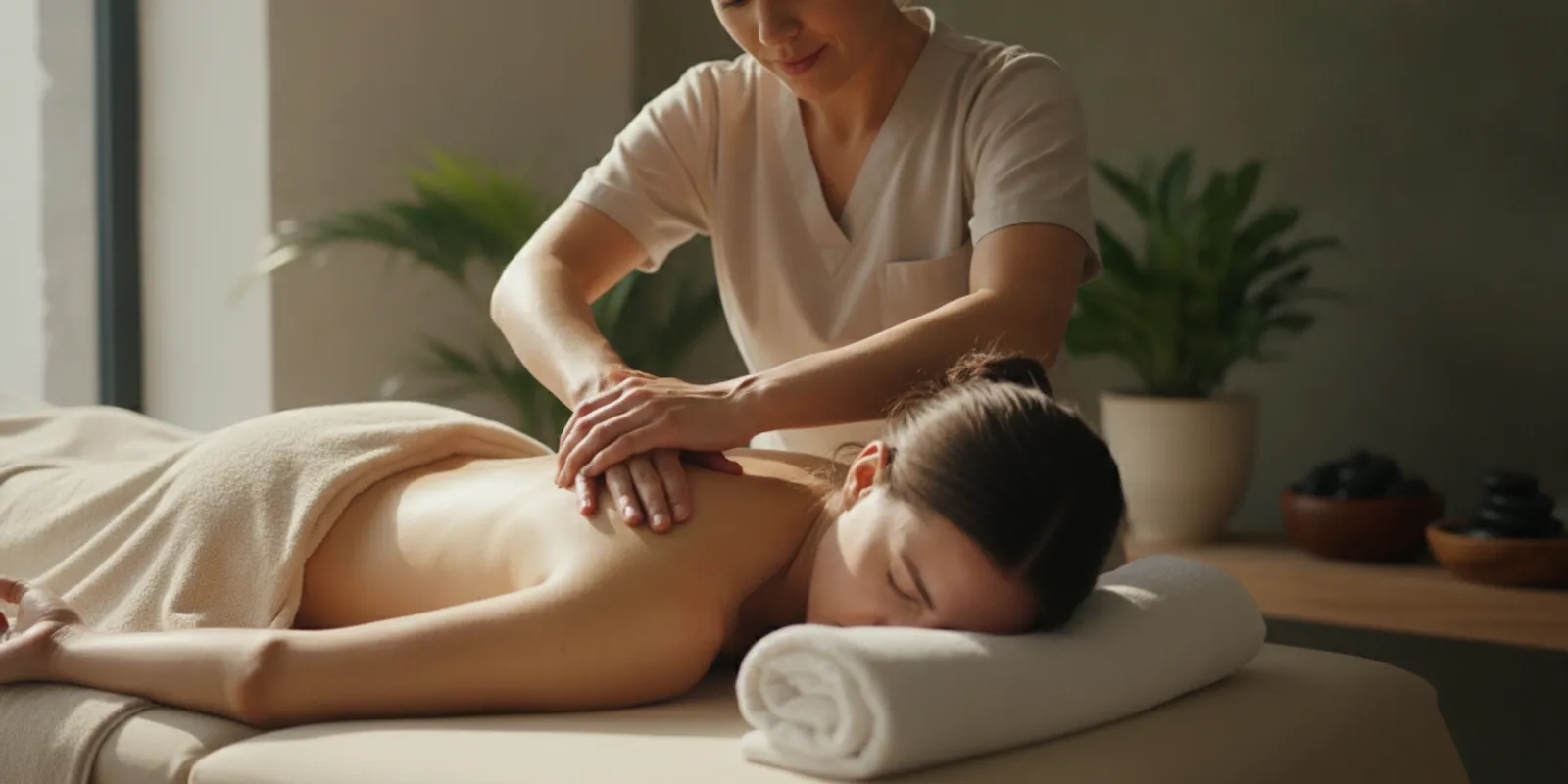

People living with endometriosis may look for ways to feel more comfortable alongside medical care. Massage for endometriosis should be approached as a comfort-focused option, not a treatment for the disease. Your symptoms, preferences, and health history matter more than a standard routine.
Ask about planning a massage visit
What should massage for endometriosis mean?
Endometriosis is a medical condition that needs assessment and care from a qualified healthcare professional. Massage cannot remove endometriosis lesions, diagnose the condition, or replace medical treatment. A massage session may be considered for relaxation or general muscle comfort, if touch feels appropriate to you and your healthcare team has no concerns.
That distinction is important. Pelvic or abdominal pain can have different causes, and pain intensity does not tell you on its own what is happening. Do not use massage to test for endometriosis or to delay care for new, severe, or changing symptoms. If you are looking for general information about treatment styles, you can review the studio’s massage services and discuss whether a session is a reasonable choice for you.
Research on massage and endometriosis-related pain is limited. One study reported reduced menstrual pain among participants with endometriosis after massage, but a single study does not establish that massage treats endometriosis or will help every person. It is best to treat research as a starting point for questions, not as a promise of results. Read the study on massage therapy and dysmenorrhea associated with endometriosis.
When considering that finding, keep the study’s scope in mind. A reported change in menstrual pain does not show that massage changes the underlying condition, prevents symptoms, or works for every person. It also cannot tell you whether a particular technique, pressure, or body area is appropriate for your circumstances. If you discuss the paper with a clinician, ask how much weight to give it alongside your diagnosis, current symptoms, and other care. You do not need to try massage simply because a study has examined it.
How can you make pressure and touch client-led?
There is no pressure level that is automatically right for endometriosis. Some people prefer light, broad contact; others want work on areas of muscle tension away from the pelvis. A person can also decide that massage is not comfortable on a particular day. Your choice can change during a session, and you do not need to justify changing your mind.
Before the session begins, tell the therapist what kinds of touch are welcome and what areas are off limits. You can request that the abdomen and pelvis not be touched. You can also ask for a position that feels more comfortable, more draping, less pressure, or a pause. If it is hard to describe a specific sensation, simple phrases such as “lighter,” “please stop,” or “not there” are enough.
- Agree on boundaries first. Identify any areas you do not want touched and whether you want the therapist to ask before changing areas.
- Start conservatively. If you choose massage, a comfortable pressure is a better starting point than trying to tolerate intense pressure.
- Check in during the session. Speak up if discomfort rises, symptoms change, or you want to stop.
- Keep control of the plan. You can skip a technique, change position, take a break, or end the session at any time.
Massage should not be framed as “breaking up” endometriosis, adhesions, or scar tissue. Strong pressure is not proof that a session is effective. Avoid any approach that dismisses your pain, pressures you to continue, or promises to cure the condition. For more about the studio and its approach to therapeutic massage, see NOLA Bliss Massage’s about page.
It can help to make boundaries specific rather than relying on a general request to “be careful.” For example, you might state that you want no abdominal or pelvic contact, that you prefer light pressure on your shoulders, and that you want the therapist to ask before moving to another area. If your preference is simply to receive a massage without discussing symptoms in detail, you can say that too. A clear limit gives the therapist useful guidance without requiring you to disclose private information.
What should you communicate before a session?
You do not have to give a detailed medical history to explain what would help you feel safe. Share only what you are comfortable sharing, while giving the therapist information that could affect pressure, positioning, or whether massage should be postponed. You can write notes ahead of time if speaking about pain feels difficult.
Consider mentioning:
- Whether endometriosis has been diagnosed, or whether you are seeking medical assessment for symptoms.
- Where you feel discomfort and whether it is familiar, new, constant, or changing.
- Which areas you want avoided and what pressure feels acceptable today.
- Any recent procedure, surgery, injury, pregnancy, or other health issue that may affect positioning or touch.
- What you hope to get from the visit, such as quiet relaxation or general muscle comfort, and what you do not want.
Pain language can be difficult to communicate, and people may use different words for similar experiences. Research on endometriosis pain communication discusses the challenges people face when describing pain and seeking effective support. This reinforces the value of asking clear questions and listening without assuming that one person’s experience represents everyone’s. Read research on communication challenges around endometriosis pain.
If you also experience muscle tension in your back or neck, you can explain that separately from pelvic symptoms. The studio’s guide to back and neck massage offers a place to consider what to discuss about those areas. It is not a substitute for a clinician’s assessment of pelvic pain.
A useful way to prepare is to sort information into three short groups: what is happening, what you want, and what is off limits. For instance: “My usual pelvic discomfort is present today; I want relaxation; please avoid my abdomen and use gentle pressure on my upper back.” If symptoms are unlike your usual pattern, say so plainly rather than trying to interpret the cause. A therapist can use this information to understand your preferences, but a clinician should assess medical questions.
You can also decide what you would like to happen if discomfort begins. Maybe you want pressure reduced first, or maybe you would rather stop immediately. If talking feels difficult once you are on the table, agree on a short word or gesture in advance. These small choices can reduce the pressure to explain yourself in the moment.
Does cycle timing change whether you should book?
There is no universal best time in the menstrual cycle for massage. Some people find that touch feels welcome at one point in their cycle and uncomfortable at another. Symptoms may vary from month to month, and a cycle calendar cannot determine whether a specific symptom is safe to massage.
If tracking is useful to you, make a brief note of symptoms, energy, preferred pressure, and whether you wanted touch on the day. Use that information to decide what feels manageable next time, not to force yourself to follow a schedule. You can book when you want a session, reschedule if symptoms flare, or arrive and choose a shorter or gentler session if that is available and appropriate.
When you contact a studio, ask practical questions about communication, positioning, and how to request changes. You may want to confirm that the therapist can accommodate your boundaries before you book. Do not assume that a particular technique or schedule is specifically designed for endometriosis unless the provider can explain its scope and limitations in plain language.
For example, imagine that you usually feel comfortable receiving massage but develop a stronger flare on the day of an appointment. You can reschedule rather than trying to push through, or you can contact the studio to ask what options are available. In another cycle, you may feel well enough for a session but still want to avoid the abdomen. Neither choice is inconsistent; your comfort and symptoms can change. Treat notes as a record of your own preferences, not as a rule that obliges you to book or cancel.
How can you prepare for a session without overplanning?
A few practical choices can make a visit feel more predictable. You can decide in advance what you want to share, what areas are off limits, and what would make it easier to pause. You do not need to arrive with a complete explanation of your diagnosis or symptoms. A short, clear request is enough to begin a conversation.
For example, you might say: “I have endometriosis and want a relaxation-focused session. Please avoid my abdomen and pelvis, use light pressure, and check with me before changing areas.” Or you might say: “I am not sure what pressure I can tolerate today. Can we start gently and adjust only if I ask?” These statements set boundaries without asking the therapist to treat the condition.
Consider the practical details that affect comfort, too. Ask about available positions if lying face down or on your back is uncomfortable. You may prefer side-lying, extra support, or a position change during the visit. Ask how you can signal that you want a pause. If you would rather not talk once the session starts, agree on a simple check-in or signal beforehand.
It is also fine to keep the visit simple. You might choose work on the shoulders, arms, legs, hands, or feet instead of areas near the pelvis. You can request a shorter session if offered, or decide that massage is not the right choice that day. No particular area needs to be included for a session to be worthwhile.
For a first visit, think through the practical sequence: first, decide whether you feel well enough to attend; second, share the boundaries that matter; third, choose a comfortable position and pressure; and finally, check in with yourself during the session. You can change any part of that plan. The purpose is not to create a perfect script, but to make it easier to speak up before discomfort becomes difficult to manage.
How can you compare possible next steps?
Massage is one possible comfort measure, not the only next step and not a replacement for medical care. The table below can help you separate the kinds of questions each option can address. It is not a treatment plan; a clinician who knows your history can advise you about care.
| Option | What it may help you address | Useful question |
|---|---|---|
| Medical assessment | New, persistent, severe, or changing pain; diagnosis and treatment choices | What evaluation or follow-up is appropriate for my symptoms? |
| Massage discussion | Whether optional touch for relaxation or general muscle comfort feels acceptable | Can I set boundaries, choose pressure, and stop at any time? |
| Symptom notes | Patterns you want to describe to a healthcare professional or use when planning comfort | What changes, timing, or triggers should I record? |
| Rescheduling or skipping massage | A day when touch, travel, or positioning does not feel manageable | Would rest or another form of support feel better today? |
These options can complement one another without having the same purpose. A medical appointment is the place to discuss diagnosis, treatment, and symptoms that worry you. A symptom note can help you explain what has changed, while a massage conversation can clarify whether optional touch feels acceptable. Skipping a session is also a valid decision, not a failure to follow a care plan.
When should you coordinate with a clinician first?
Check with your healthcare professional before massage if you are uncertain whether touch or a particular position is appropriate for you. This is especially important if you have had recent pelvic or abdominal surgery, have a new or worsening symptom, are pregnant or may be pregnant, or have another condition that affects treatment choices. This list is not exhaustive; your clinician can give guidance based on your own circumstances.
Seek prompt medical attention for sudden or severe pain, fainting, fever, heavy or unusual bleeding, vomiting, or symptoms that feel alarming or unlike your usual pattern. Do not book a massage as a way to manage a potential emergency. If pain is disrupting daily activities or has not been evaluated, make medical care the priority.
For an existing diagnosis, you can ask your clinician whether massage is reasonable for your situation, whether any areas should be avoided, and whether there are limits on positioning or pressure. A therapist can adapt a session within their role, but they cannot provide medical diagnosis or replace advice from your healthcare team.
It may help to bring a concise set of questions to that conversation. Ask whether your current symptoms need assessment before massage, whether recent treatment or a procedure changes what is appropriate, and whether any positioning or areas should be avoided. If you have already tried massage, describe what happened without assuming the session caused or treated the underlying condition. You can also ask what symptoms should prompt follow-up and what kind of care to seek if they occur.
What can you expect from a cautious session conversation?
A useful conversation is straightforward and collaborative. You can describe your goals and boundaries, ask what the session might involve, and decide whether the answer feels comfortable. You should not be pushed to disclose more than you wish or to accept a technique you did not request.
It can help to agree on a simple check-in plan. For example, ask the therapist to check before changing areas or increasing pressure. Decide on a word or gesture to pause. If you notice pain, nausea, dizziness, or any unexpected symptom, speak up and stop. You do not have to wait for a scheduled check-in.
Afterward, notice how you feel without treating a good or bad response as proof about the condition. If symptoms worsen or concern you, contact a healthcare professional. Share any relevant change with them, especially if it is new or persistent.
Before agreeing to begin, listen for whether the conversation respects your boundaries. A reasonable discussion should make room for your questions and for a clear “no” to a specific area or technique. You can ask the therapist to explain a proposed approach in everyday language. If the explanation feels confusing, overly certain, or dismissive of your concerns, you can decline and seek guidance elsewhere.
How should you evaluate the experience afterward?
Think of a session as an optional comfort experience, not a test of whether endometriosis is improving. You might feel relaxed, unchanged, or more uncomfortable afterward. None of those responses confirms or rules out a diagnosis, and there is no expected outcome you must achieve.
If you found the experience useful, note what made it feel manageable: the pressure, positioning, areas included or avoided, and how well your requests were heard. If it was not comfortable, you can decide not to repeat it or to change the plan. You do not owe a provider another visit or a reason for declining.
Contact a healthcare professional if symptoms worsen, persist, or feel different from your usual pattern. A brief record of when the change began and what you noticed can make that conversation easier. Keep that medical follow-up separate from decisions about whether to book massage again.
Contact the studio to discuss your preferences
Frequently asked questions about massage for endometriosis
Can massage cure endometriosis?
No. Massage does not cure endometriosis or remove its lesions. It may be considered for relaxation or general comfort if you want it, but it should not replace medical evaluation or treatment.
Should a massage therapist work directly on my abdomen?
Only if you want that and it is appropriate for your situation. You can ask for no abdominal or pelvic touch. Tell the therapist your boundary before the session, and speak up if your preference changes.
Is deep pressure better for endometriosis pain?
There is no reason to assume that deeper pressure is better. Pressure should remain comfortable and client-led. Stop or ask for a change if it causes pain or feels unwelcome.
Should I avoid massage during my period?
There is no single rule for everyone. Decide based on how you feel, your preferences, and any advice from your clinician. If symptoms are severe, unusual, or concerning, seek medical guidance rather than using massage to manage them.
How do I ask about a visit?
Share your preferred areas, pressure, positioning needs, and boundaries, and ask whether the studio can accommodate them. You can contact NOLA Bliss Massage with questions before making a decision.
Contact the studio to discuss your preferences
Endometriosis care is personal, and comfort measures should remain your choice. Keep medical questions with your healthcare professional, set clear boundaries around touch, and choose only the kind of support that feels right for you.