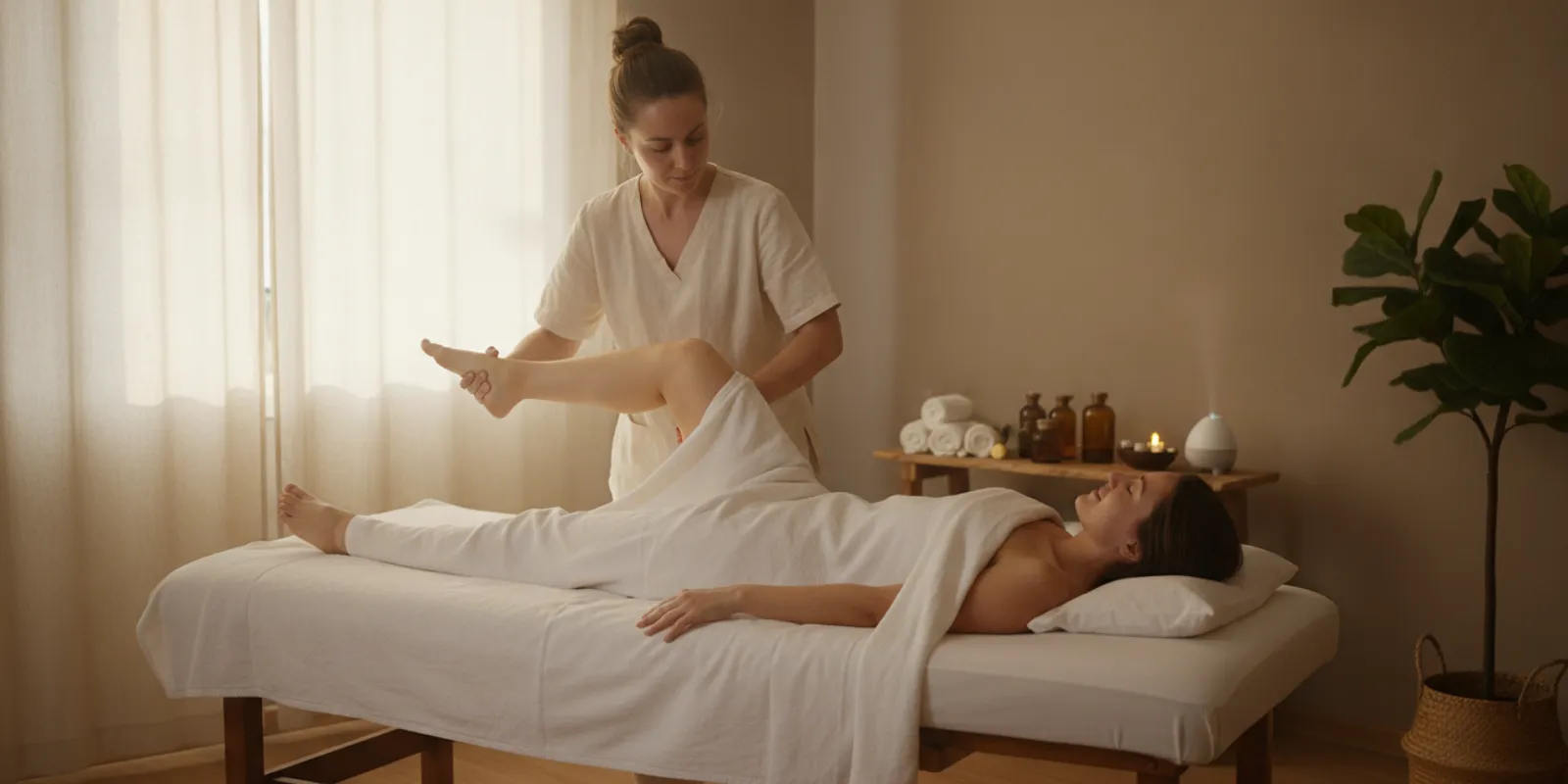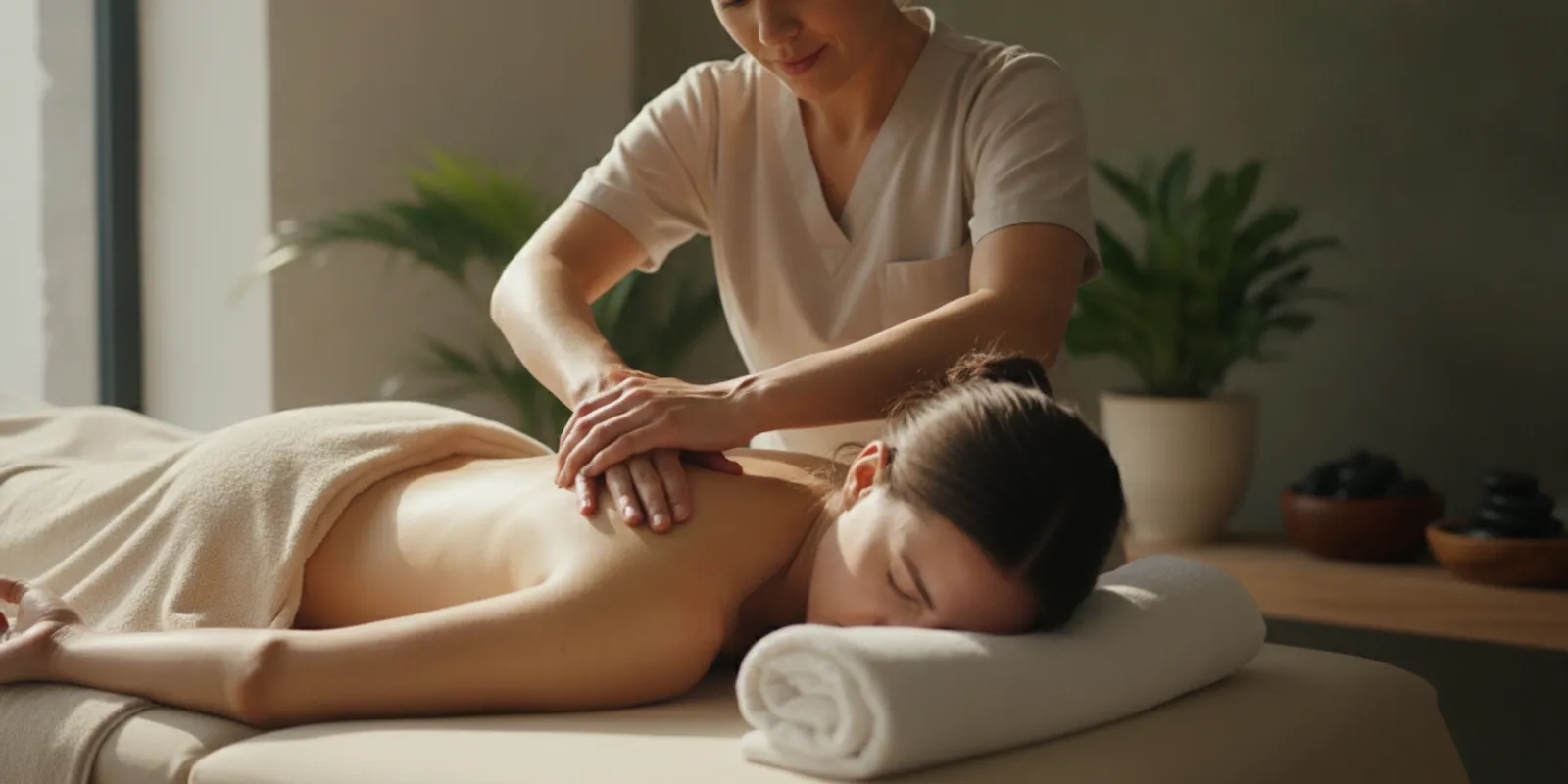

Considering massage for pelvic pain can bring up important questions: Is it appropriate for this kind of discomfort, what should a session include, and when is medical care more important? Massage may support relaxation and general muscle comfort for some people, but it cannot identify the cause of pelvic pain or replace assessment and treatment from a qualified healthcare professional.
Contact NOLA Bliss Massage with questions
What can massage for pelvic pain mean?
Pelvic pain is a description of a symptom, not a diagnosis. It may be felt in the lower abdomen, hips, groin, low back, or elsewhere around the pelvis. Causes can involve different body systems, and a person may have more than one contributing factor. Pain may be recent or persistent, constant or intermittent, and can change with movement, bowel or bladder activity, sexual activity, or a menstrual cycle.
In this article, massage means a general wellness session focused on comfort, relaxation, or areas of muscular tension that a client and therapist discuss. It does not mean an internal examination, pelvic-floor assessment, or specialized pelvic-floor manual treatment. Those are distinct forms of care, and they are not interchangeable with a general massage appointment.
Research reviews address massage in relation to pain broadly, while separate reviews of chronic pelvic pain consider a range of interventions and overlapping conditions. Neither kind of review turns a massage session into a way to diagnose the source of an individual person’s pain. The systematic review of massage therapy for pain and the review of interventions for chronic pelvic pain offer useful context, but personal care decisions belong with your clinician.
When should you seek medical care before booking?
New, unexplained, worsening, or recurring pelvic pain deserves medical attention rather than an attempt to manage it with massage alone. A clinician can ask about symptoms, examine what is appropriate, and decide whether testing or referral is needed. If you already have a diagnosis, ask the clinician managing it whether a general massage session is suitable and whether any areas or positions should be avoided.
Seek urgent medical care for severe or sudden pelvic or abdominal pain, fainting, heavy bleeding, or pain with fever or repeated vomiting. If you are pregnant or could be pregnant and have pain or bleeding, contact a healthcare professional promptly; seek emergency care for severe symptoms. New difficulty passing urine or stool, blood in urine or stool, or symptoms that are rapidly getting worse also warrant prompt medical guidance. This list is not exhaustive. When symptoms feel alarming or you are unsure how urgent they are, contact a medical professional or emergency service rather than waiting for a massage appointment.
Tell a clinician about pain that affects daily activity, sleep, walking, or intimacy, even if it is not an emergency. Likewise, discuss pain that returns or does not improve. Massage should not delay investigation of a possible infection, injury, pregnancy-related concern, or another health condition.
It can help to note when the pain began, where you feel it, how it changes, and any symptoms that occur at the same time. Include relevant changes in urination, bowel habits, bleeding, movement, or sexual activity when speaking with a clinician. A simple record can help you describe the pattern, but it cannot identify the cause on its own. Do not wait to keep a record if symptoms are severe or urgent.
If you have already received medical guidance, follow the plan you were given and ask before adding massage. After surgery or another procedure, for example, the clinician responsible for your recovery is the right person to advise when hands-on wellness care may be appropriate. The same applies if you have a condition that affects sensation, circulation, skin, or the body’s response to pressure. Share restrictions that matter for safety, without assuming massage is suitable just because it is external.
How is general massage different from pelvic-floor care?
Pelvic-floor care is a clinical area that may involve assessment and an individualized plan from a qualified healthcare professional with relevant training. Depending on the person’s needs, care may include education, movement, exercises, or manual techniques. Internal techniques are not part of an ordinary massage session, and a client should never be pressured to accept any touch or procedure.
General massage may focus on areas such as the back, hips, shoulders, or legs when appropriate and agreed upon. It should not be presented as a cure for pelvic pain, a way to correct pelvic-floor function, or a substitute for care from a pelvic health clinician. The National Association for Continence discusses massage in relation to pelvic-floor concerns in its overview of pelvic-floor massage; that topic is different from assuming a standard relaxation or therapeutic massage includes pelvic-floor treatment.
Medical evaluation
- Main purpose: Assess symptoms and consider causes or next steps.
- What to expect: A clinician asks about your health and symptoms, and may recommend testing or referral.
- When to consider it: New, persistent, unexplained, worsening, or concerning pain.
General massage
- Main purpose: Wellness, relaxation, and comfort in agreed-upon areas.
- What to expect: External massage adapted to your comfort; no diagnosis or pelvic-floor treatment.
- When to consider it: Only when symptoms are stable and a clinician has not advised against it.
Pelvic-floor care
- Main purpose: Evaluate and address pelvic-floor-related concerns.
- What to expect: Individualized clinical care from a suitably qualified provider; methods vary.
- When to consider it: When a clinician recommends evaluation or referral for pelvic-floor symptoms.
What questions should you ask before a session?
A short conversation before booking can help you decide whether a general massage appointment fits your needs. You do not have to share details you are not comfortable sharing, but the therapist needs enough information to understand relevant limitations and to respect your boundaries. Ask direct questions and choose another path if the answers are unclear or you feel pressured.
Think about the kind of support you want before you call. You might want a quiet session focused on relaxation, or you may be asking whether a therapist can avoid certain areas while addressing general muscle tension elsewhere. These are different questions from asking someone to treat a pelvic condition. State your goal in everyday language and ask what the session can and cannot include. A clear answer helps you decide whether the service matches your request.
Consent is ongoing, not a one-time agreement made at the start. You can set limits before the session and revisit them at any point. If a conversation or touch feels uncomfortable, you do not need to continue in order to be polite. You may ask for a pause, request a change, or end the appointment. A well-defined scope also protects against confusion: a general wellness session should remain within the service described to you and within the boundaries you choose.
- Is this a general massage or specialized pelvic-floor care? Confirm the scope. A general massage appointment is not a pelvic-floor examination or treatment.
- Can the session avoid my abdomen and pelvis? Explain which areas are uncomfortable or off limits. You can request that an area not be touched.
- Can I change or stop the session? You should be able to pause, change position, adjust pressure, or end the session at any time.
- What positioning options are available? Ask about side-lying or other comfortable positions if lying face down or on your back is uncomfortable.
- Should I check with my clinician first? If you have a diagnosis, recent procedure, pregnancy, new symptoms, or other health concerns, ask the clinician responsible for your care.
- What information should I share? Ask how to communicate pain areas, pressure preferences, sensitivities, and any relevant medical restrictions.
For an overview of the studio’s general offerings, you can review NOLA Bliss Massage services. Read about the studio’s approach on its about page, and use the contact page to ask whether a general session is a reasonable fit for your comfort goals. These pages cannot determine whether massage is medically appropriate for a particular cause of pelvic pain.
How can you make a massage session more comfortable?
If you and your clinician decide a general massage session is reasonable, keep the goal modest: comfort and relaxation, not diagnosis or a promise to resolve the pain. Before the session, note where you feel discomfort, what makes it worse, what positions are difficult, and which areas you do not want touched. You can share only what is necessary to plan a comfortable appointment.
During the conversation, describe pressure in plain terms. Light, moderate, or no pressure in a specific area are all valid requests. Ask for work to stay away from the abdomen or pelvis if that is your preference. A therapist should honor your boundaries without asking you to justify them. You can speak up during the session, request a different position, or stop.
Avoid treating pain as something to push through. If a touch increases symptoms, feels sharp, causes numbness, or makes you feel unwell, ask the therapist to stop that work. If symptoms become severe or concerning, seek medical care. A massage is not a test of how much pressure you can tolerate, and stronger pressure is not automatically more effective.
Plan for the possibility that your comfort changes from one day to another. You can ask for a shorter focus on an area, lighter pressure, or no work in that region. If you are not sure whether a position will be comfortable, ask about options before getting on the table. There is no need to complete a technique or remain in a position that feels wrong. A session should respond to your feedback rather than asking you to override it.
It may be useful to decide in advance what would make you stop: increased pelvic discomfort, pressure that feels too intense, dizziness, anxiety, or simply a change of mind. You do not have to wait for a particular threshold. Let the therapist know your preference for checking in, and remember that you can communicate nonverbally if speaking is difficult. These are practical comfort boundaries, not a substitute for screening symptoms with a clinician.
Afterward, pay attention to how you feel without assuming that temporary relaxation means the underlying cause has been addressed. If discomfort worsens, persists, or comes with new symptoms, contact your clinician. If you travel to the studio, the downtown parking information may help with logistics; getting to an appointment conveniently does not replace checking whether it is appropriate for your health situation.
What if pelvic pain overlaps with back or hip tension?
Some people notice discomfort in more than one area, but the location of a symptom does not identify its cause. Back or hip tension can happen alongside pelvic pain, yet it is not safe to assume that one is causing the other. If these symptoms are new, persistent, or affecting function, discuss the full pattern with a healthcare professional.
When massage is appropriate, you can ask about focusing on a comfortable area away from the pelvis. A general resource such as Back and Neck Massage 101 can help you think about communicating preferences for common tension areas, but it is not a pelvic-pain treatment guide. Keep the session within the boundaries you set and the guidance you received from your clinician.
Care may also involve more than one provider. A primary-care clinician, gynecologist, urologist, gastroenterologist, or pelvic health physical therapist may be relevant depending on symptoms and history. Ask your clinician which professional is best suited to evaluate your situation; do not rely on a massage therapist to select a diagnosis or coordinate medical treatment.
How can you decide whether to book or wait?
Use the following questions as a practical checkpoint:
- Is there a red flag or a sudden change? If yes, prioritize urgent or prompt medical guidance.
- Do you know what is causing the pain? If not, or if it is recurring or worsening, arrange a clinical assessment before treating massage as a solution.
- Has a clinician advised you about massage? Follow their recommendations, especially after a procedure or with a known medical condition.
- Can the session stay within your boundaries? If you cannot get clear agreement about areas, pressure, and stopping at any time, do not proceed.
- Is your goal realistic? A general massage can be considered for wellness and comfort; it cannot diagnose pelvic pain or provide specialized pelvic-floor care.
If the answer is still uncertain, waiting and contacting a healthcare professional is a reasonable choice. You can also ask NOLA Bliss Massage a practical question about its general services without treating that conversation as medical clearance. To discuss session logistics or ask a question, contact the studio.
Ask NOLA Bliss Massage about a session
Frequently asked questions about massage for pelvic pain
Can massage cure pelvic pain?
No. A general massage session cannot diagnose or cure the many possible causes of pelvic pain. Some people may choose massage for relaxation or comfort when it is appropriate for them, but it should not delay evaluation or replace recommended care.
Can a regular massage therapist treat my pelvic floor?
Do not assume that a general massage appointment includes pelvic-floor assessment or treatment. Pelvic-floor care is distinct and should be discussed with an appropriately qualified healthcare professional. Ask exactly what a service includes before booking, and decline any technique you do not want.
Should I get a massage if I do not know why I have pelvic pain?
Arrange medical evaluation for new, unexplained, recurring, or worsening pain. Massage is not a way to find out what is causing it. Seek urgent care for severe or sudden symptoms, fainting, heavy bleeding, fever, or other alarming changes.
What should I tell the therapist?
Share relevant comfort limits, areas to avoid, pressure preferences, positions that are difficult, and any clinician-provided restrictions. You can ask questions, change your mind, pause, or end the session at any point.
Pelvic pain deserves thoughtful care, and a general massage is only one possible wellness choice, not a substitute for finding and addressing its cause. When in doubt, start with a healthcare professional and choose only the support that feels safe and appropriate for you.