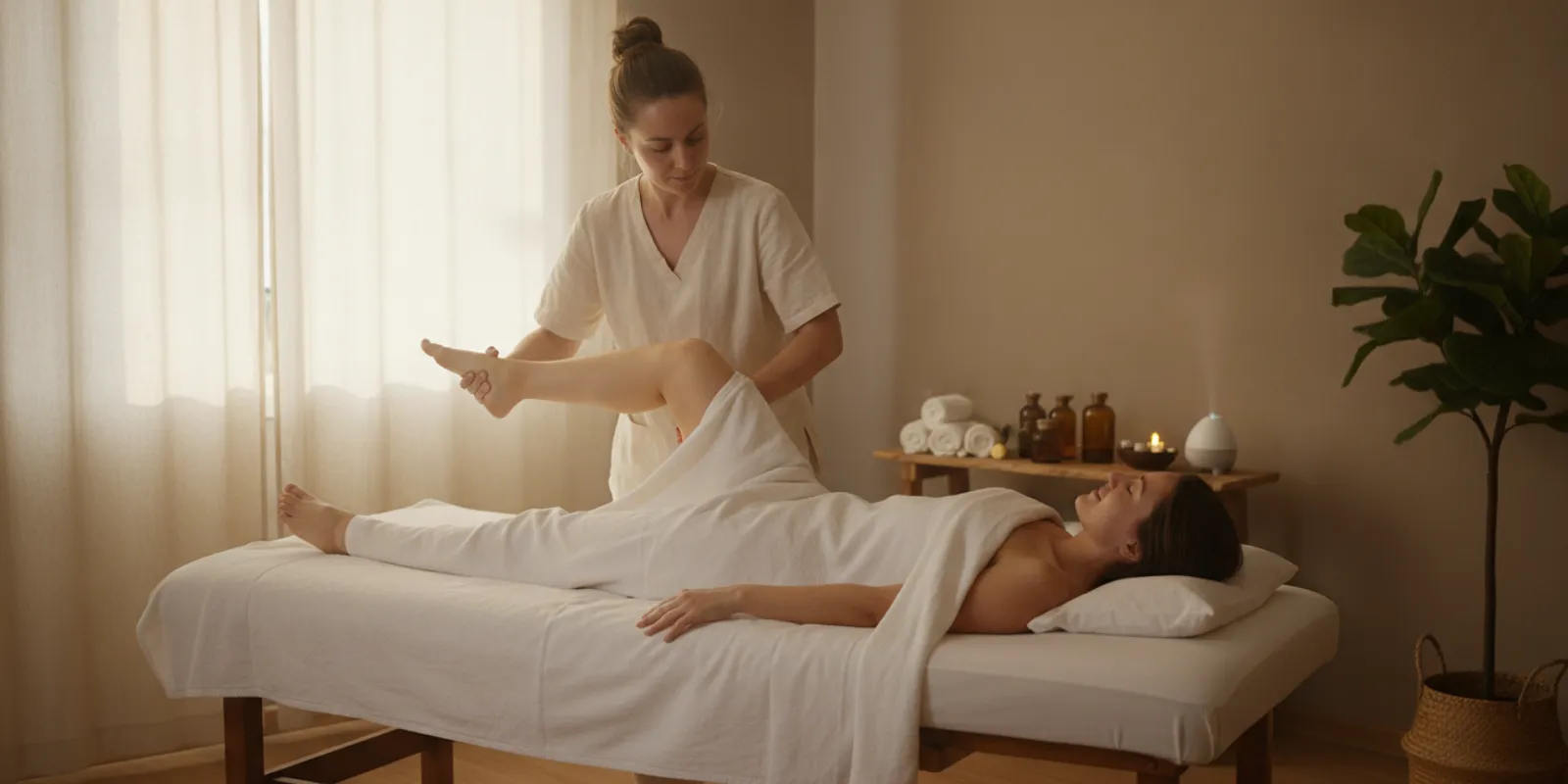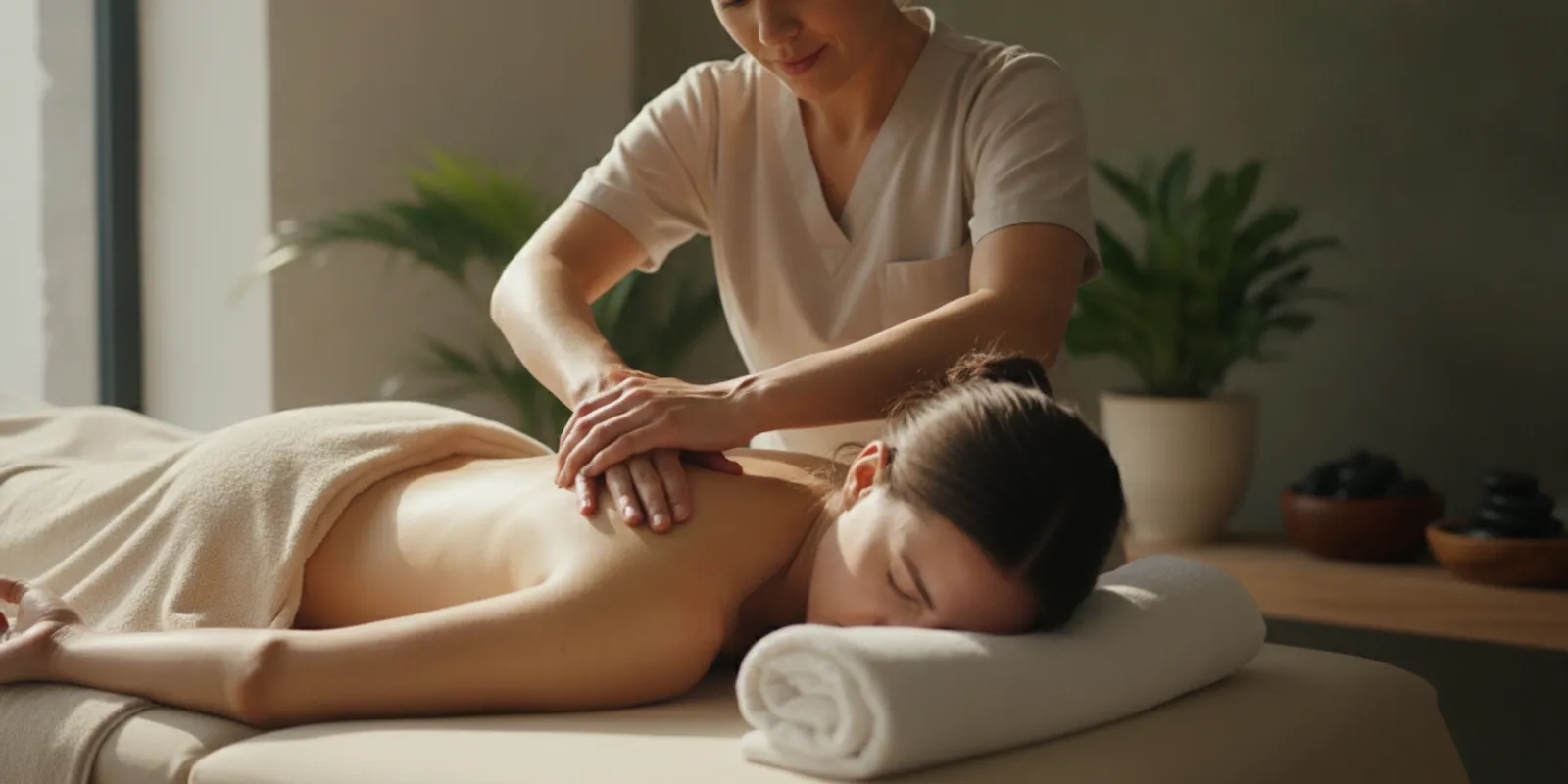
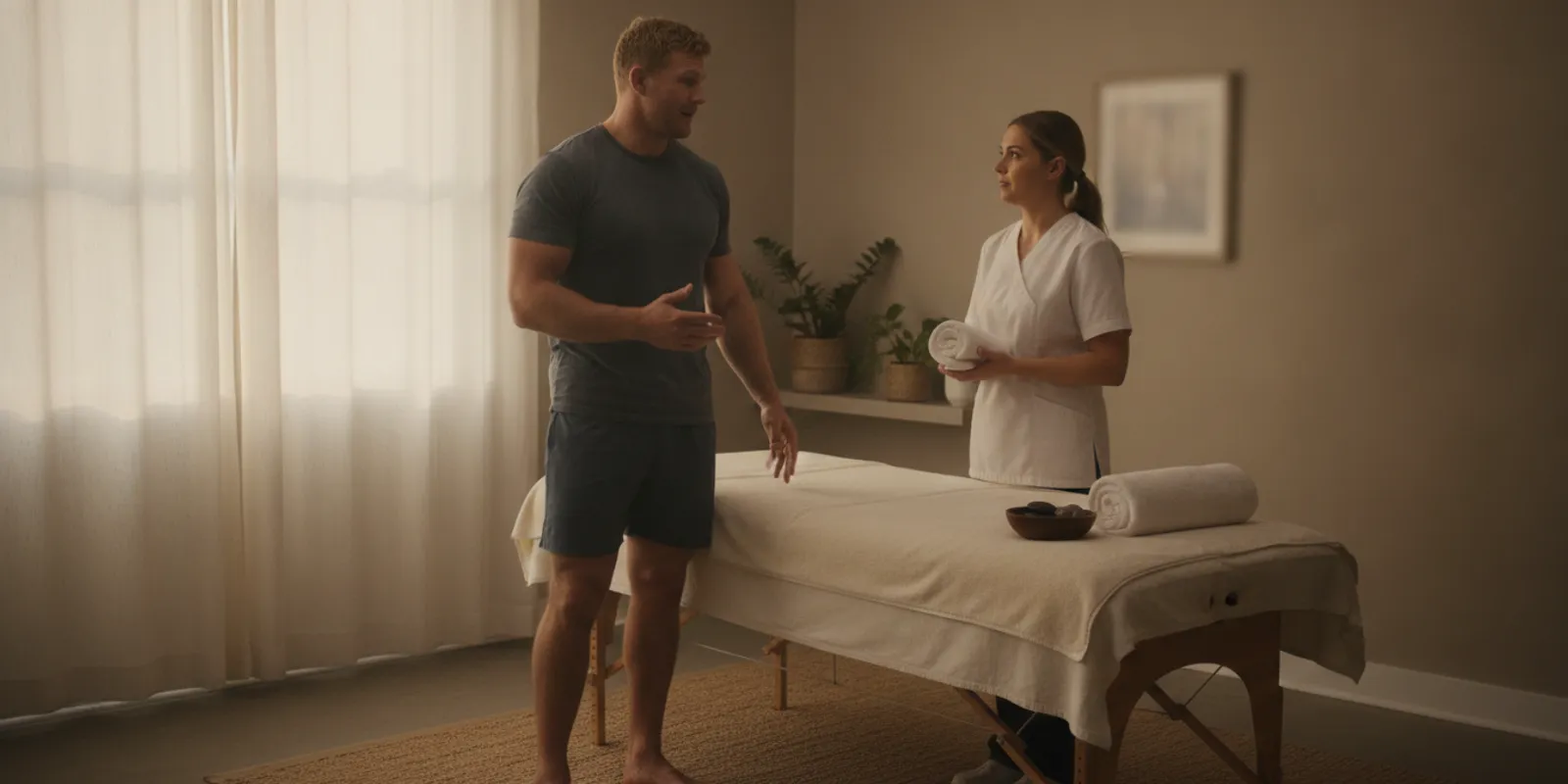
Massage for rugby players can be one part of a thoughtful recovery routine, but timing and communication matter. Rugby combines running, contact, changes of direction, and repeated physical effort, so soreness after a session may have more than one cause. Massage may help some people feel more comfortable or flexible, but it cannot diagnose or treat a suspected injury. If you are deciding what belongs in your recovery plan, start with what your body is telling you and the advice of a qualified health professional.
Why can rugby leave you feeling sore?
Rugby training and matches place varied demands on the body. A player may sprint, accelerate, decelerate, change direction, tackle, be tackled, and repeat efforts while fatigued. Strength work and conditioning add another layer. It is normal to notice temporary muscle tenderness or stiffness after unfamiliar or demanding exercise, but soreness alone does not explain what happened in a particular tissue.
Contact also makes it important not to assume that every ache is routine muscle soreness. A painful area after a collision could need assessment, especially if pain is sharp, worsening, associated with swelling or bruising, or affecting normal movement. Massage is not a way to test whether an injury is serious. When in doubt, stop training and ask an appropriate medical professional what to do.
Before choosing a session, you can review the studio’s massage services and consider what you hope to get from the appointment: a general feeling of relaxation, help addressing muscle tension, or a chance to discuss pressure and comfort preferences. A clear, modest goal is more useful than expecting a particular result.
When should you schedule massage around rugby?
There is no single schedule that suits every player. The best timing depends on training load, match dates, how you usually respond to massage, the area being worked, and whether you have any symptoms that need medical attention. A new or especially intense session close to competition may leave you feeling tender or temporarily different, so avoid making unfamiliar choices right before an important match.
Think about your calendar and recent training. If you have a match coming up, tell the therapist when it is and what physical demands are planned. If you are experimenting with massage, allow time to notice how you respond before the next hard effort. Some athletes prefer a lighter, familiar session when training continues soon; others schedule massage when they can take it easy afterward. These are preferences, not guarantees about recovery or performance.
| Situation | What to consider | Practical next step |
|---|---|---|
| Several days before a match | You may have more time to notice how your body responds to a session. | Discuss your training week and choose a familiar pressure level. |
| Within a day of a match | A new or forceful session could leave you feeling tender or distracted. | Do not experiment; consider postponing or discussing a gentle, comfortable approach. |
| After a match with general muscle tightness | Ordinary stiffness differs from a suspected injury, and massage is optional. | Describe the overall training load and avoid asking for work through significant pain. |
| After a collision or with unusual symptoms | Massage cannot assess a concussion, fracture, significant sprain, or other injury. | Pause massage and seek qualified medical assessment, following the clinician’s advice. |
The table is a planning aid, not a medical timetable. A clinician who knows your injury and sport may give advice that takes priority over general guidance. A massage therapist should not be asked to clear you to play or return you to training.
It may help to think in terms of your whole week rather than a single post-match appointment. Note hard practices, strength sessions, travel, rest days, and matches. If massage is new to you, avoid scheduling an unfamiliar or intense session immediately before a demanding practice or match. When possible, give yourself a quieter period afterward so you can notice your response. This is a way to manage personal comfort and scheduling, not a recovery formula.
Pay attention to patterns without using them to diagnose yourself. For instance, if a familiar level of training usually causes mild, short-lived muscle tenderness, you can share that history with the therapist. If this episode is different—more painful, linked to a particular impact, or interfering with normal movement—do not assume it is the same kind of soreness. A change in pattern is a reason to pause and consider medical guidance.
What can massage realistically support?
Massage may be a useful comfort-focused option for some people after exercise. Research on sports massage does not support treating it as a shortcut to better performance. A review in The Role of Massage in Sports Performance and Rehabilitation describes massage use in sports settings and discusses its potential role in recovery and rehabilitation. A later study published in BMJ Open Sport & Exercise Medicine found no evidence that sports massage directly improved performance, while reporting possible benefits for flexibility and delayed-onset muscle soreness. Neither source establishes what an individual rugby player will experience.
That distinction matters. Feeling more relaxed, noticing less tension, or having a temporary change in flexibility is not the same as healing an injury or being ready for contact. Individual responses vary. Massage should sit alongside the basics of a recovery plan, such as appropriate rest, gradual training progression, nutrition and hydration suited to you, and clinical guidance when symptoms warrant it.
It can be useful to separate what you want from a session from what you need from your overall plan. A massage may offer time to relax or attend to general muscle tension; it does not replace sleep, sensible workload management, or the gradual rebuilding of capacity after time away from training. If you are increasing practice intensity, returning after illness, or working through a clinician-directed rehabilitation plan, coordinate your choices with the professionals involved. Do not use a temporary reduction in discomfort as the only sign that your body is ready for a harder session.
Keep expectations individual. Two players can have different responses after the same kind of appointment, and one player may respond differently at different points in a season. If you choose to try massage, make a note of when you went, what pressure felt comfortable, and how you felt later. Those observations can inform a future conversation, but they cannot establish that an injury has healed.
Rugby players sometimes ask for deep pressure because the sport feels physically demanding. More pressure is not automatically more effective. You should be able to communicate comfortably, and pressure should not create sharp pain, numbness, or a need to brace. If you are weighing pressure styles, read about Ashiatsu massage as one service option and discuss whether it suits your preferences. The technique should never be treated as an injury-specific prescription.
How should you communicate about soreness or an injury?
Give the therapist a concise, accurate account before the session. Mention when the discomfort began, what activity came before it, what movements affect it, and whether you were evaluated by a healthcare professional. Be direct about collision-related symptoms and any limits your clinician has given you. Do not minimize an injury to get through a session or to avoid missing training.
- Describe what you feel: Use plain words such as aching, tender, stiff, sharp, tingling, or swollen. Avoid diagnosing the cause yourself.
- Point out the location: Explain where symptoms are and whether they spread or change with movement.
- Share the timeline: Say whether it followed a match, a particular impact, a training change, or appeared without a clear event.
- Report medical advice: If you have been assessed, share relevant restrictions or instructions and follow them.
- Set boundaries during the session: Ask for a change in pressure, a different position, or for work to stop whenever needed.
For example, rather than saying “my shoulder needs fixing,” you might say, “I felt pain after a tackle yesterday; lifting my arm is uncomfortable, and I have not had it assessed.” That gives a therapist useful context without implying a diagnosis. The appropriate next step may be a medical assessment rather than massage.
If muscle tension is the main concern and there are no warning signs, you can also explore the studio’s back and neck massage guide for ideas about communicating an area of discomfort. It is still important to tell the therapist that your concern is related to rugby and to follow any advice from your clinician.
When should you skip massage and seek medical care?
Do not use massage to evaluate a fresh injury or to work through serious symptoms. Stop and seek urgent care when symptoms suggest an emergency. Examples include difficulty breathing, severe or rapidly worsening pain, major bleeding, a visible deformity, loss of consciousness, confusion, repeated vomiting, or a possible head or neck injury. For suspected concussion or another significant injury, follow your sport’s medical and return-to-play procedures and seek qualified care.
Arrange prompt medical assessment for new swelling, bruising, substantial loss of movement, weakness, numbness, persistent pain, or symptoms that are getting worse. This list is not exhaustive. If something feels unusual or concerning, a healthcare professional can evaluate the situation and advise whether massage is appropriate. Do not return to contact play based only on feeling better after a massage.
If you already have a diagnosis or care plan, keep its instructions central. Ask the treating clinician whether massage is appropriate, when it may be considered, and what areas or techniques to avoid. The therapist can work within the information you provide, but cannot replace the clinician’s assessment or determine readiness for sport.
Contact sports make it especially important to describe the circumstances around a symptom rather than only naming the body part. Tell a clinician if pain began during a tackle, came on gradually over several sessions, or appeared after a fall. Include any change in movement and whether symptoms are improving or worsening. If you have concerns about a head impact, do not try to manage it with massage; follow the sport’s concussion procedures and get medical advice promptly.
When symptoms do not call for urgent care but remain persistent or interfere with training, arrange a professional evaluation before treating them as routine soreness. Appropriate care may depend on the cause, which cannot be determined from a massage session or a general article. Once a clinician has assessed you, share any relevant recommendations before booking, and do not go beyond the limits in your care plan.
How can you make a massage session more useful?
Arrive with a simple purpose and enough time to explain your situation. Tell the therapist whether you are in-season, in a heavy training block, or taking a rest day. Mention the next match or practice, recent changes in workload, and whether you want general relaxation or to focus on a particular area. You do not need to request a complicated technique. Clear feedback helps keep the session comfortable and aligned with your preferences.
During the session, speak up early if pressure is too much or a position is uncomfortable. A useful session does not require enduring pain. Afterward, notice how you feel over the next day and consider that response when planning future appointments. If symptoms worsen or new symptoms appear, contact a medical professional rather than booking another massage to investigate them.
For a closer look at available approaches, the massage services page outlines options to discuss. You can also read about NOLA Bliss Massage and find downtown parking information when planning a visit. If your schedule is tied to a local event or tournament, check the Convention Center massage information for location context.
Frequently asked questions about massage for rugby players
Should I get a massage immediately after a rugby match?
Not necessarily. Consider how you feel, whether there was a collision or injury, and whether you have symptoms that require assessment. Massage is optional, and you do not need to book immediately after a match. If pain is significant, unusual, or worsening, seek medical advice first.
Can massage prevent rugby injuries?
Massage should not be presented as injury prevention or a guarantee of safe play. Injury risk is influenced by many factors, and massage does not replace appropriate conditioning, coaching, protective practices, or qualified medical care.
Is deep pressure better for rugby-related soreness?
No. Pressure preference varies, and greater intensity is not proof of a better result. Tell the therapist what feels comfortable, and ask for an adjustment if you feel sharp pain, numbness, or excessive discomfort. A suspected injury should be assessed rather than treated with forceful pressure.
Can a massage therapist clear me to return to rugby?
No. A massage appointment is not a return-to-play assessment. Follow the direction of a qualified healthcare professional and your team’s applicable medical procedures before resuming contact sport after an injury.
Contact NOLA Bliss Massage to discuss an appointment
Massage may be one supportive choice for a rugby player who wants a comfortable, communication-focused session, but it is not a substitute for injury assessment or a complete recovery plan. When symptoms raise concern, put qualified medical care first.