Some people with spinal stenosis have symptoms. Others do not. The condition means the space within the spine is narrowed. That narrowing can put pressure on the spinal cord or nerves. Where it occurs and how a person feels can differ. Mayo Clinic explains spinal stenosis and its possible symptoms. A clinician can help interpret symptoms and guide decisions based on your health history.
Book your massage appointment online.
Your clinician remains the right source for care guidance.
Massage for spinal stenosis may be considered only as an optional comfort measure after appropriate medical guidance. It does not correct the narrowing or replace diagnosis and care from a qualified healthcare professional.
That distinction matters when deciding whether a session is appropriate. Understanding what spinal stenosis can involve, and why symptoms vary, is a sensible starting point before discussing any complementary care.
What Does Spinal Stenosis Mean for Massage?
Spinal stenosis means that space within the spine has narrowed. Depending on where that narrowing occurs, it can put pressure on the spinal cord or nearby nerves. It describes a structural change, not a single, predictable set of symptoms. Some people have narrowing without symptoms, while others notice pain, tingling, numbness, or muscle weakness. The Mayo Clinic overview of spinal stenosis explains that both symptom presence and pattern can vary.
The two commonly affected areas are the lumbar spine, in the lower back, and the cervical spine, in the neck. Lumbar stenosis may be associated with back discomfort or pain and cramping in one or both legs, particularly while standing or walking. Cervical stenosis can involve symptoms in an arm, hand, leg, or foot. Changes in walking, balance, or fine motor tasks may also occur with neck stenosis. These examples are not a way to diagnose the cause of a symptom; a health professional evaluates the person’s history and symptoms in context. A diagnosis therefore does not predict exactly what someone will feel: even when narrowing is found, symptoms may be absent, mild, or different from another person’s experience. The label needs to be understood alongside the person’s own health history and clinical assessment.
That distinction matters when considering massage for spinal stenosis. Massage works with soft tissues and may be considered by some people as an optional comfort measure alongside care. But it does not widen the spinal canal or remove pressure caused by structural narrowing. A massage session cannot establish what is causing pain, numbness, or weakness, and it should not replace evaluation or care from a qualified clinician.
Spinal stenosis care depends on the individual situation. As the MedlinePlus spinal stenosis guide describes, treatment decisions may involve clinician-directed options such as medicines, physical therapy, or surgery, depending on the person’s case. Massage is not a substitute for those decisions or a treatment plan. Nor does a scan alone tell a person what care they need; symptoms and medical evaluation matter.
If massage is being considered, keep the goal modest and clear: comfort, if appropriate for you, rather than changing the spine or treating the narrowing. Share your diagnosis and any symptoms with the therapist, and follow your clinician’s guidance about whether massage fits alongside your care. If you are unsure what your diagnosis means for a session, ask the treating professional before booking. New or changing symptoms deserve medical attention rather than an assumption that a massage session will address them.
When Should You Ask Your Clinician Before Massage?
Talk with the healthcare professional managing your spinal stenosis before arranging massage if your diagnosis or symptoms are new, unexplained, changing, or difficult to interpret. That conversation can help clarify whether massage is appropriate as an optional comfort measure alongside your care plan. There is no single clearance rule that fits every person; your clinician can consider your history and current symptoms.
Check in before a session if pain has recently become worse, starts spreading in a new way, or comes with a change in sensation or strength. New numbness, tingling, weakness, balance trouble, or difficulty walking deserves medical attention rather than a guess about what a massage might do. A clinician can assess symptom history, movement, sensation, muscle strength, reflexes, and balance when evaluating spinal stenosis. The National Institute of Arthritis and Musculoskeletal and Skin Diseases outlines these parts of clinical evaluation.
It is also sensible to ask your treating clinician when you are recovering from spinal surgery or another procedure. Have a recent injury, or are receiving active treatment that could affect positioning or touch. The same applies if you have other health conditions or care instructions that may change how your body responds. Rather than asking for blanket permission, describe the kind of session you are considering and ask whether there are limits or timing considerations specific to you. Do not change prescribed treatment or rehabilitation based on advice from a massage therapist.
Before that conversation, note when the symptoms started, where you feel them, whether they travel into an arm or leg, and what has changed. Include any known changes in sensation, strength, walking, or balance, along with recent procedures and current care. These details can help your clinician decide what needs assessment and whether massage fits with the plan. A massage therapist can use your health history to inform a session, but cannot diagnose spinal stenosis. They cannot determine its cause or decide whether a new neurological symptom is safe to work around.
If you are researching altered sensation, NOLA Bliss has an article on massage safety with nerve symptoms. Neuropathy is a different condition, not another name for spinal stenosis, so that general discussion should not replace guidance based on your diagnosis. If you have sudden or rapidly worsening weakness, new bowel or bladder changes. Or numbness around the groin or saddle area, seek urgent medical care instead of booking massage.
How Can You Make a Massage Session More Comfortable?
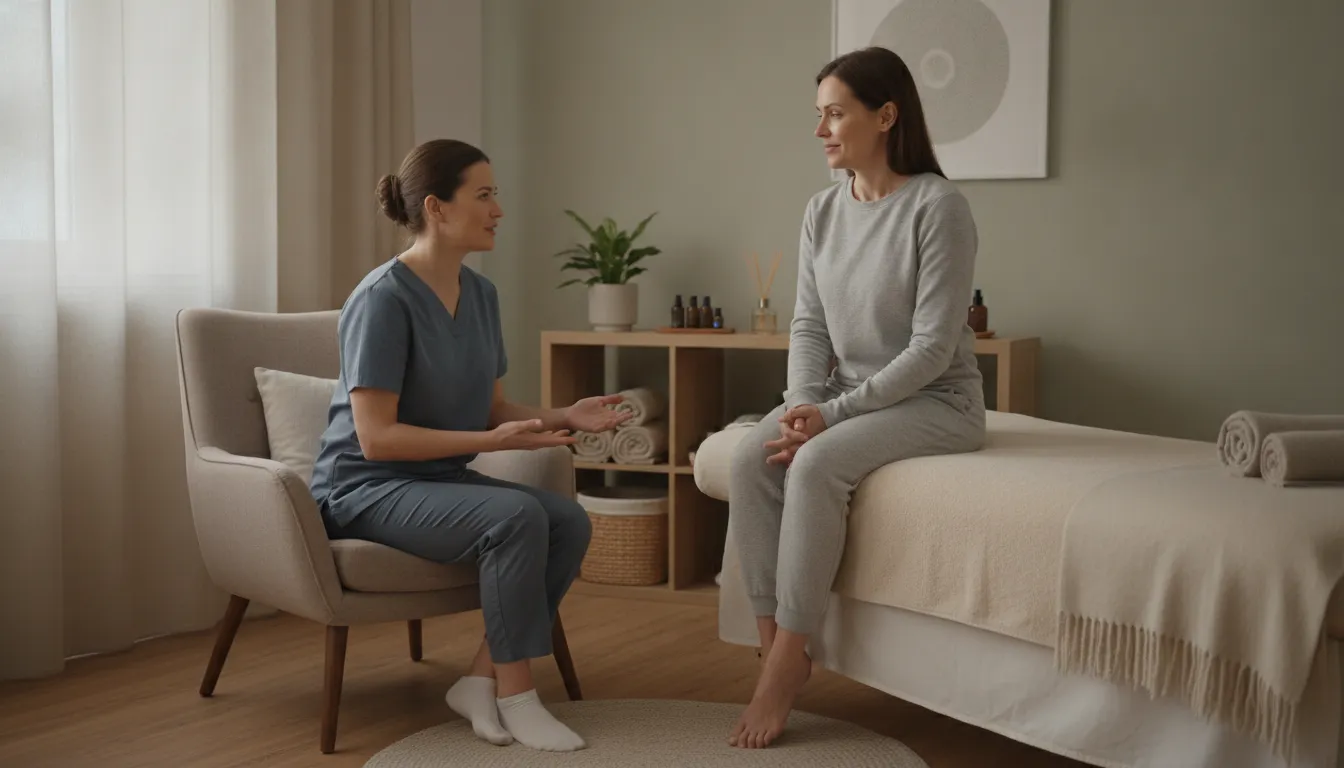
Clear, specific communication gives you and the therapist a better starting point. Spinal stenosis can be associated with symptoms such as pain, tingling, numbness, or weakness, and the pattern may differ from one person to another. A massage appointment is not a place to determine what those symptoms mean. Share the information you have, follow any guidance from your healthcare professional, and speak up if something changes during the session.
Before your appointment, consider these steps:
- Describe the diagnosis and current symptoms. If you have been told you have spinal stenosis, explain that and identify where you feel discomfort or altered sensation. Describe what it feels like, whether it travels to another area, and what movements or everyday activities seem to affect it. Avoid assuming every symptom is caused by the stenosis.
- Explain the timeline and pattern. Say when the symptoms began, whether they are stable or changing, and what tends to make them better or worse. Include any clinician guidance you have received about massage, movement, or positions to avoid. If symptoms are new, worsening, or not yet assessed, contact your healthcare professional before booking rather than asking the massage therapist to evaluate them.
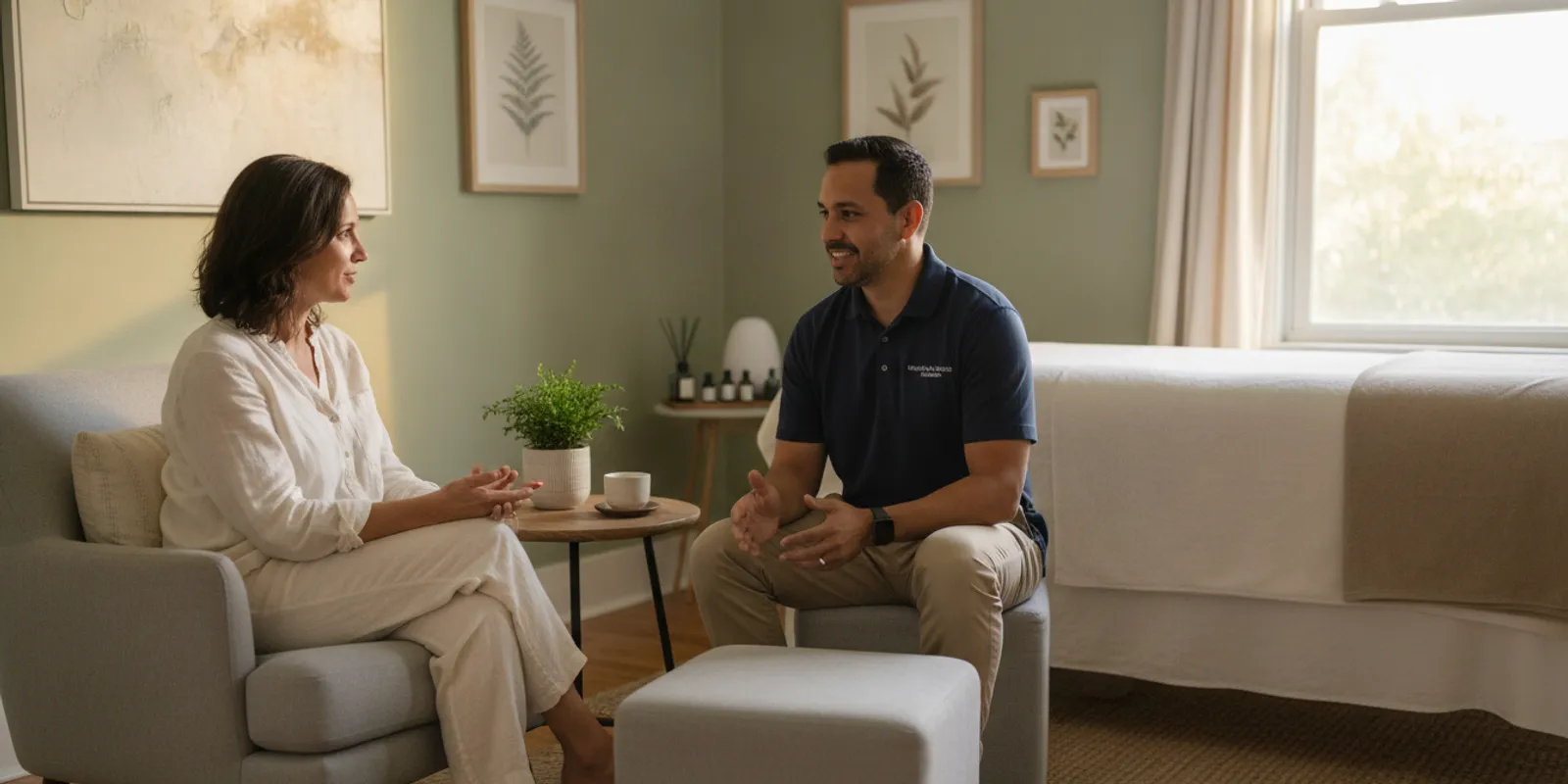
- Share relevant health history. Mention other conditions, recent procedures, injuries, medications that may affect how you feel, and any important care instructions. NOLA Bliss Massage’s intake includes health history, pain assessment, goals, and individualized planning. That is general intake practice, not a stenosis-specific assessment or protocol.
- Talk through comfortable positions and limits. Let the therapist know which positions feel manageable, how long you can stay in them, and whether getting on or off the table is difficult. You do not need to push through discomfort to complete a session. Ask about a position change or a break if needed.
- Agree on how you will check in. You can request a pause, a check-in, a change, or an end to the session at any point. Describe what feels uncomfortable in plain terms; do not feel pressure to tolerate a sensation because you think it is expected. Any choices about pressure or technique should be discussed individually, not assumed from the diagnosis alone.
If nerve-related symptoms are part of your concern, see this overview of massage safety with nerve symptoms. For general context on general massage for back pain, remember that a broad comfort discussion does not establish what is appropriate for your specific condition.
The goal of this conversation is a session that respects your comfort and boundaries. Not a promise that massage will change the underlying spinal narrowing or treat its cause.
Which Massage Approaches Need Extra Caution?
There is no single pressure level, body position, or massage style that can be assumed to fit everyone with spinal stenosis. Symptoms and their effects differ, and stenosis may involve pain, tingling, numbness, or weakness (Mayo Clinic). Use the conversation below to share your needs, not as a treatment plan. Your treating clinician is the right person to advise you about your condition; a massage therapist can discuss session choices and respond to your comfort.
| Area to discuss | Why individual guidance matters | A useful question |
|---|---|---|
| Deep pressure | Your preference does not confirm that pressure suits this diagnosis or current symptoms. Another session may feel different. | Ask your treating clinician whether there are pressure or treatment considerations for you. Then tell the therapist what pressure feels comfortable and ask for an adjustment if needed. |
| Areas with altered sensation | Numbness or tingling can be part of spinal stenosis symptoms (Mayo Clinic). If sensation is reduced or different, comfort may be harder to judge by touch alone. | Tell both professionals where sensation has changed and whether it is new or worsening. Ask your clinician what, if anything, should be avoided, and tell the therapist promptly if something feels uncomfortable. |
| Positioning and movement | Some people notice symptom differences with posture or movement; lumbar stenosis symptoms may vary with standing, walking, bending, or sitting (Mayo Clinic). A position that works for one person may not suit another. | Ask your clinician whether you have movement or positioning limits. At the appointment, ask how to signal if you need to change position, and do not force a movement that is uncomfortable. |
| Session feedback | Only you can report how the session feels in the moment. Do not feel you need to tolerate discomfort to complete a technique. | Agree on a simple way to pause. Tell the therapist if discomfort begins, changes, or increases, and ask them to stop or adjust. |
These are discussion prompts, not a stenosis-specific protocol. If you are unsure whether massage is appropriate, check with your treating clinician before booking or proceeding. NOLA Bliss Massage’s article on how massage pressure should be adjusted offers general context about variability; it is not medical evidence or advice for spinal stenosis. No table entry recommends pressure on the spine or declares a named technique safe or unsafe for you.
Which Symptoms Need Urgent Medical Attention?
Some changes should not wait for a massage appointment or routine follow-up. Spinal stenosis can be associated with numbness, tingling, weakness, and problems with walking or balance. Rarely, lower-back stenosis may also involve bowel or bladder changes, according to the National Institute of Arthritis and Musculoskeletal and Skin Diseases (NIAMS). A massage therapist cannot determine what is causing a new neurological symptom or rule out an emergency.
Skip massage and seek emergency medical care now for new loss of bowel or bladder control, difficulty starting or emptying the bladder. Numbness around the groin or inner thighs (the saddle area), or rapidly worsening weakness in one or both legs. These symptoms can be signs of cauda equina syndrome, a rare but serious emergency involving pressure on nerves at the base of the spine. The Cleveland Clinic explains that suspected cauda equina syndrome requires urgent medical evaluation. Do not wait to see whether massage helps, and do not book a session before getting emergency care.
New or clearly progressing weakness, increasing numbness, or a new problem walking or keeping your balance also needs prompt attention from a qualified clinician. If the change is sudden, rapidly worsening, or makes it unsafe to stand or walk, seek emergency care. If it is not rapidly worsening, contact your treating clinician promptly for advice about how soon you should be evaluated. Do not ask a massage therapist to assess the cause or decide whether these changes are safe to treat.
When you contact a clinician, describe what changed, when it began, and whether it is getting worse. Be specific about weakness, altered sensation, walking or balance difficulty, and any bowel or bladder change. This information can help the clinician decide what evaluation is needed. If you are unsure whether a new neurological symptom is an emergency, contact emergency services or a medical professional for immediate guidance, rather than trying massage first.
What Can You Expect from a New Orleans Massage Appointment?
A massage appointment is not an evaluation or treatment plan for spinal stenosis. The condition can affect people differently. A massage therapist cannot determine whether narrowing is causing a particular symptom or whether massage is appropriate for you. If your individualized care team says massage may be suitable as a complementary comfort option, share their guidance before the session and keep medical care primary.
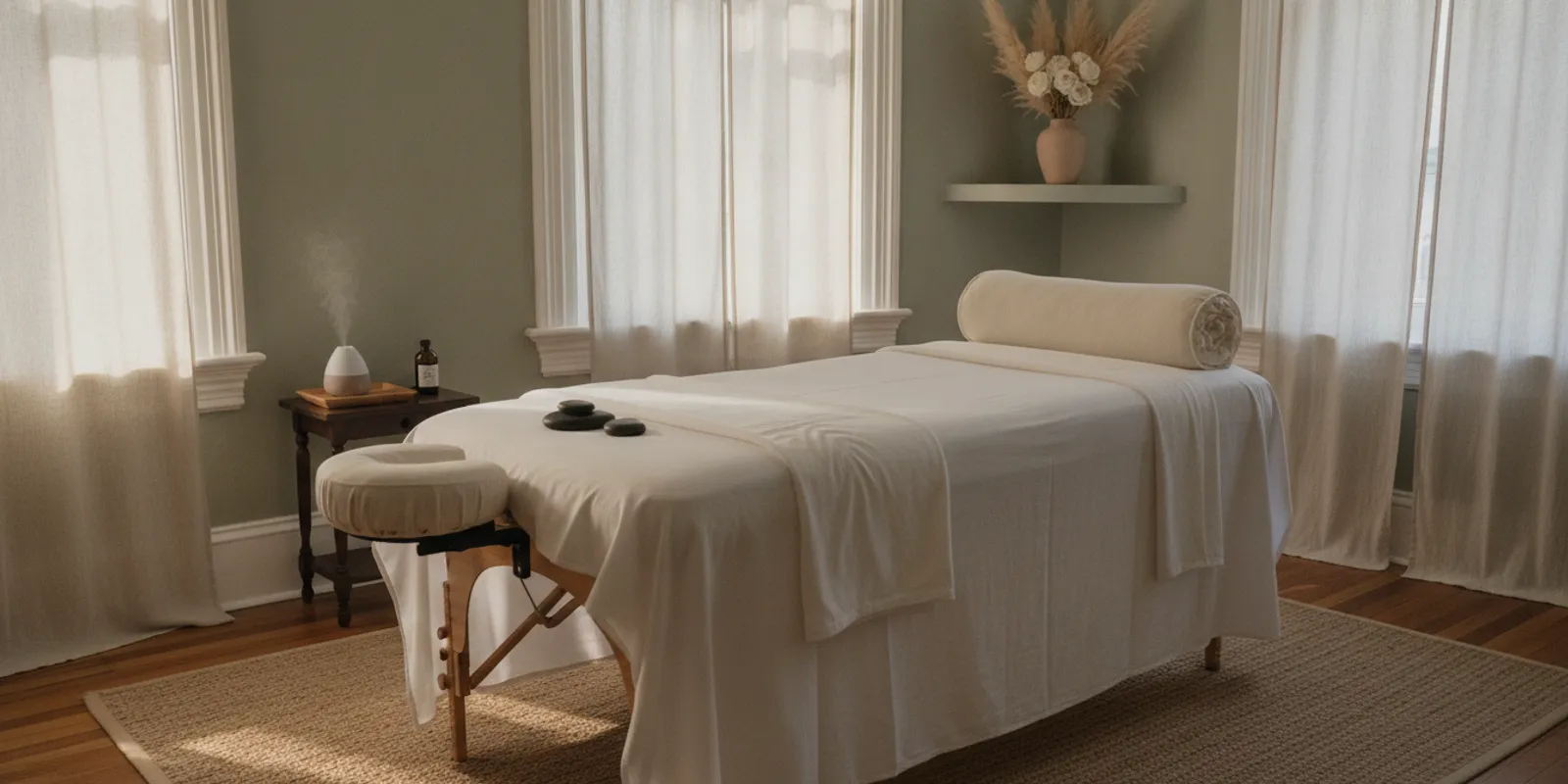
NOLA Bliss Massage is an appointment-only therapeutic massage studio in the Warehouse District of Downtown New Orleans. Its sessions are provided by licensed massage therapists and customized around intake information, including health history, pain concerns, and goals. That customization does not mean the studio has a spinal-stenosis-specific protocol or specialist credential. You can review the studio’s massage services in New Orleans, but do not assume that a listed modality is right for your condition.
Before booking, consider asking the studio how to share your care team’s recommendations and whether the therapist can accommodate the positioning or pressure limits you have been given. At intake, describe where symptoms occur, what changes them, any areas with reduced sensation, and which positions feel uncomfortable. Ask how you can request a position change, lighter pressure, or a pause during the session. You should not need to tolerate discomfort to complete an appointment. If the studio cannot accommodate your needs, postpone and ask your care team about other options.
Keep the goal modest: if approved for you, a session may be considered for comfort or relaxation. Not to widen the spinal canal, treat nerve compression, or replace rehabilitation or medical treatment. General information about general massage for back pain should not be read as stenosis-specific advice. For a visit downtown, you can also check practical details about free parking near the studio.
Book your massage appointment online and discuss any concerns with your clinician.
Ask your clinician about any remaining questions.
Frequently Asked Questions
Is massage for spinal stenosis a treatment for the narrowing?
No. Spinal stenosis involves narrowing around the spinal cord or nerves. Massage does not widen that space or diagnose the cause of symptoms. If a clinician considers massage appropriate, treat it as a possible comfort measure alongside your medical plan, not instead of it.
Is deep tissue massage safe for spinal stenosis?
There is no pressure level or massage style that can be assumed appropriate for every person with spinal stenosis. Ask your treating clinician about your symptoms and any personal limits, then discuss comfort and modifications directly with the therapist. Do not push through pain, numbness, or other new symptoms.
Should I ask my doctor before scheduling a massage?
Ask the healthcare professional managing your care if your diagnosis is new, symptoms are unexplained or changing. Or you have recent surgery, injury, or other treatment instructions that may affect a session. A clinician can consider your history and decide whether evaluation or guidance is needed.
When should I seek urgent care instead of massage?
New loss of bladder or bowel control, numbness around the groin or saddle area, or sudden or rapidly worsening weakness can signal a serious problem. Do not book massage first. Seek urgent medical care or emergency services, because cauda equina syndrome is a medical emergency.
Plan a Thoughtful Next Step
If your clinician agrees that massage is appropriate for you, share your current symptoms and comfort needs with the therapist before the session. NOLA Bliss Massage offers customized massage appointments in Downtown New Orleans. A booking is not medical clearance or treatment for spinal stenosis.