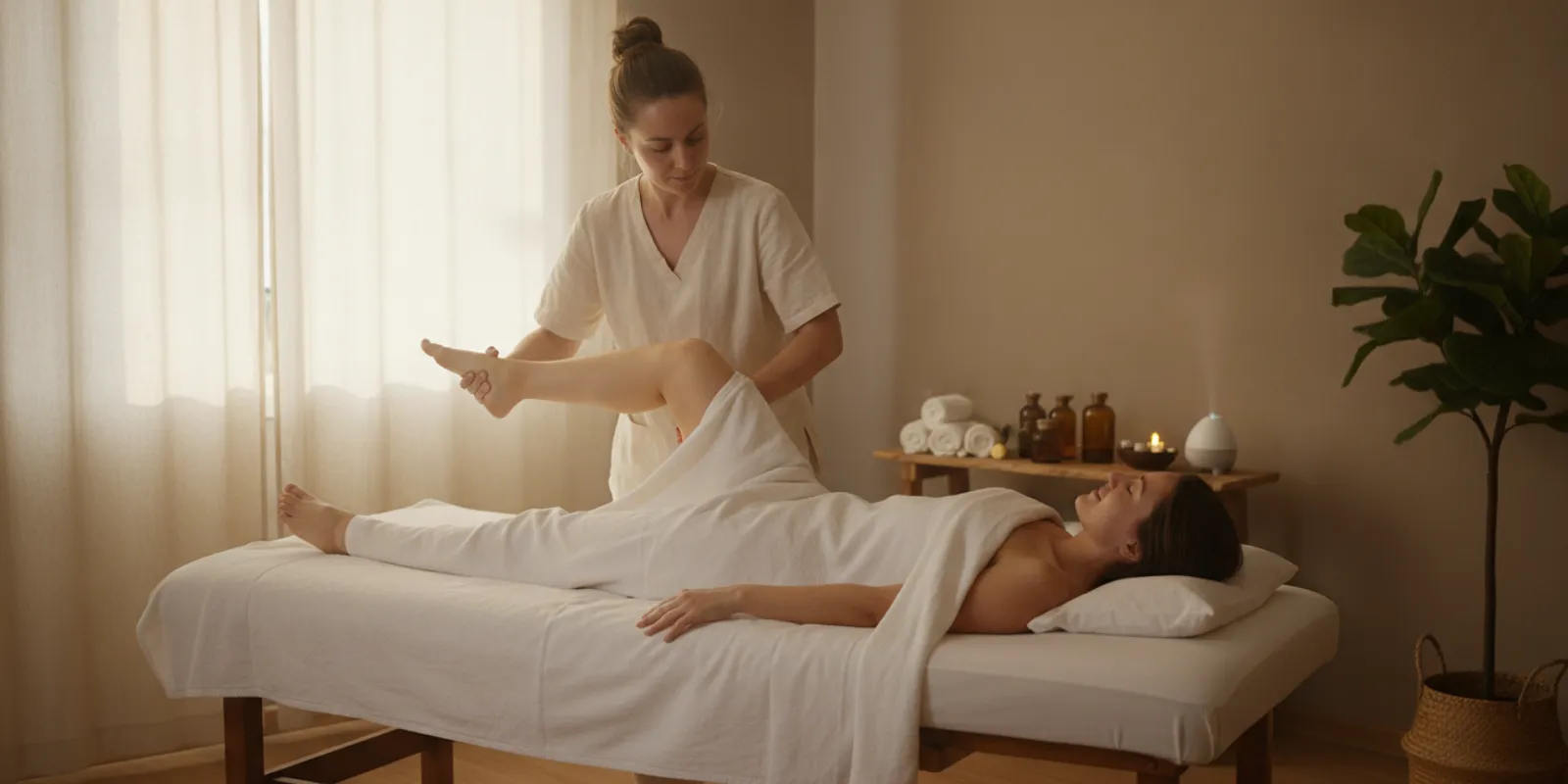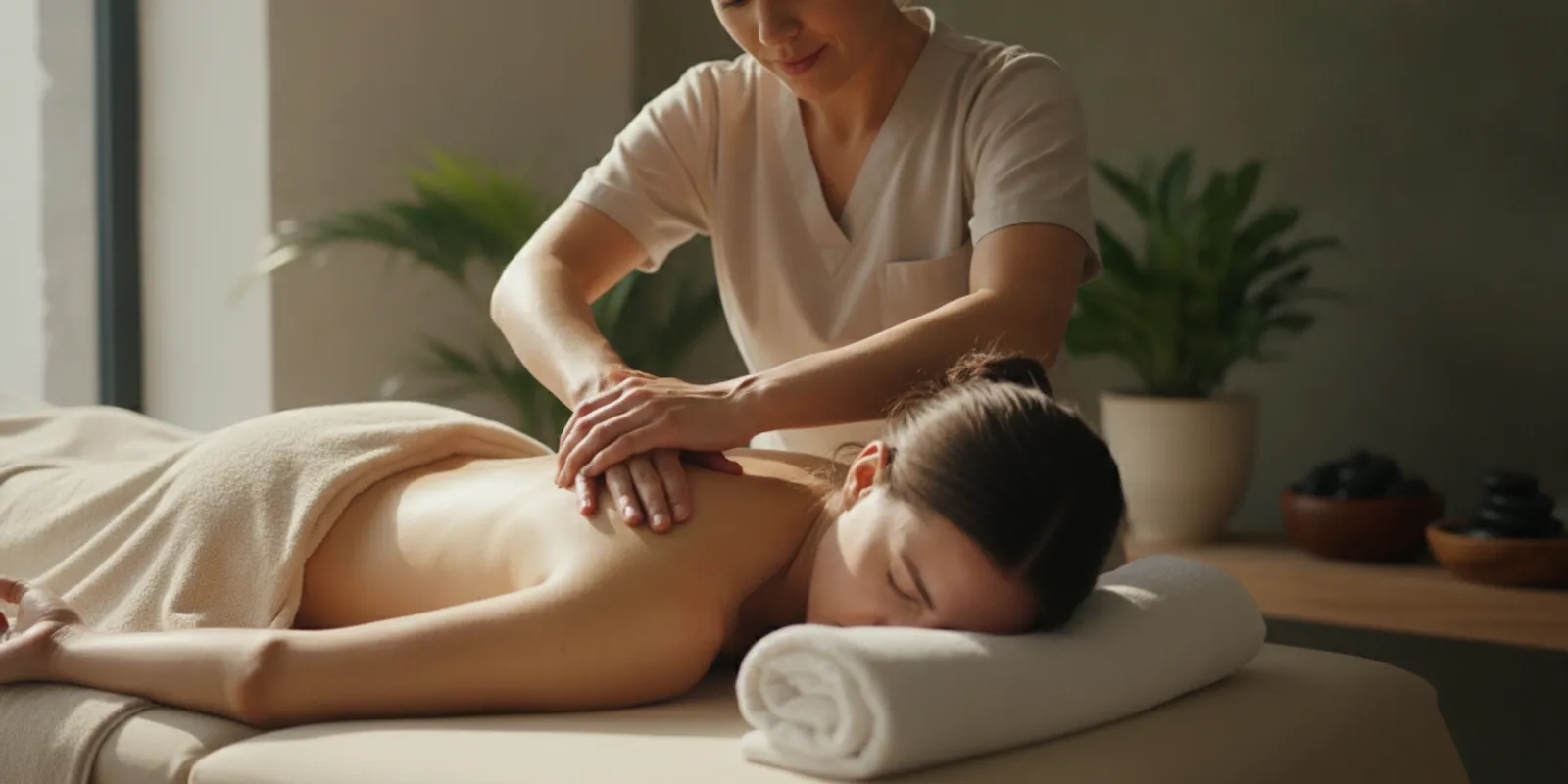

Massage can feel appealing when neuropathy brings numbness, burning, tingling, or pain into everyday activities. But altered sensation changes how a session should be planned. A person may not reliably notice pressure, heat, friction, or irritation that would normally signal a problem.
Massage for neuropathy may offer temporary comfort for some people, but it does not identify or correct the cause of nerve symptoms. Because neuropathy can involve reduced or heightened sensitivity, work should stay within your tolerance, use active check-ins, and complement rather than replace medical care. Ask your clinician whether massage is appropriate, especially if symptoms are new, worsening, severe, unexplained, or medically complicated.
Peripheral neuropathy has many possible causes, including metabolic, autoimmune, inherited, infectious, traumatic, and medication-related conditions, so a cautious approach starts with context rather than a one-size-fits-all technique. Understanding what massage may and may not do makes it easier to choose pressure, communicate changes, and protect your control throughout the appointment.
Can Massage for Neuropathy Help Without Treating the Cause?
Short answer: Massage may provide temporary comfort, relaxation, or a change in how some people perceive pain, but it cannot diagnose neuropathy, reverse nerve damage, or replace medical care. If you are considering massage, treat it as a complementary option to discuss within your broader care plan, not as a treatment for the underlying cause.
Some people report feeling more comfortable after gentle, well-monitored bodywork. One proposed explanation is that massage stimulates sensory receptors in the skin, which may influence how pain signals are perceived. It may also help reduce stress and support general comfort while someone manages ongoing symptoms. Those possible effects vary from person to person, and they should not be presented as a guaranteed result. Evidence-informed discussions of massage and neuropathy describe any relief as potentially temporary and part of a broader approach.
That distinction matters because neuropathy can have different underlying causes. Massage does not identify why nerve symptoms are occurring or address nerve damage itself. A session that feels soothing may make symptoms easier to manage for a while, but it does not show that the condition has improved. Continue following the evaluation and treatment plan provided by your clinician, especially if symptoms are new, changing, or difficult to explain.
What should you expect from a cautious approach?
Start with a clear conversation about your symptoms, goals, and tolerance. Tell the therapist what you feel, where you feel it, and whether sensation changes from one area to another. Because altered sensation can make excessive pressure or injury harder to notice, stronger work is not automatically better. Comfort during a session is useful information, but it is not proof that deeper pressure is safe or that massage is treating the cause.
Consider setting practical boundaries before hands-on work begins. Agree on the areas to address, the level of pressure, and a simple signal to pause or stop. If the therapist cannot work within those limits, postpone the session and ask your healthcare professional for guidance. For more context on complementary care and pain-focused goals, see NOLA Bliss Massage’s medical massage for pain article.
What Does Neuropathy Change About Touch and Pressure?
Neuropathy can change both how touch feels and how accurately the body reports what is happening. Some people notice numbness, prickling, or tingling that begins in the feet or hands. Others experience stabbing or burning pain, or find that ordinary contact feels unusually intense. The Mayo Clinic describes peripheral neuropathy symptoms as including numbness, tingling, burning pain, and extreme sensitivity to touch.
That combination makes massage for neuropathy an individualized conversation rather than a search for one universally safe pressure level. A person may have reduced feeling in one area and hypersensitivity in another. Symptoms can also vary from day to day. If the therapist relies only on a client’s immediate reaction, an area with numbness may receive more pressure than the tissue can comfortably tolerate. The client may not realize it until later.
Numbness can hide more than discomfort
Reduced sensation may make it harder to notice excessive pressure, friction, heat, or tissue irritation during a session. A quiet response does not always mean that a technique is appropriate. This is especially important when working near areas affected by neuropathy, where the usual warning signal of discomfort may be delayed or muted. Massage should not be used to test how much pressure an area can withstand.
Before hands-on work begins, explain where sensation is reduced and whether you experience burning, tingling, prickling, or pain from light contact. Also mention hypersensitive areas, wounds, circulation concerns, medications, and any restrictions provided by your clinician. These details help the therapist plan the session and identify when massage may need to wait for medical guidance.
Comfort and safety require active check-ins
Pressure should be adjusted to your actual tolerance, with regular questions rather than a single check at the start. You should be able to describe a change in sensation, ask for less pressure, pause, or stop without having to justify the request. Do not assume that deep work is safer or more effective because numbness is present. For additional context, review these deep tissue massage safety considerations before choosing an intense technique.
Heat deserves similar caution. Neuropathy can include heat intolerance, and some forms can affect sweating, which may change how the body responds to warmth. Tell the therapist if heat feels different than expected, and report any lingering irritation or concerning symptom change after the appointment. When symptoms are new, worsening, severe, unexplained, or medically complicated, ask your clinician whether massage is appropriate before scheduling.
How Can You Prepare for a Safer Massage Session?
Preparation matters when sensation is altered. A massage session should fit within your broader medical care, not replace it. If symptoms are new, worsening, severe, unexplained, or medically complicated, ask your clinician whether massage is appropriate before scheduling. Medical guidance is especially important when you have restrictions related to circulation, wounds, medications, or another condition affecting your health.
Before an appointment, use this checklist to give your therapist enough context to plan conservatively:
- Confirm whether you need clinician guidance. Ask your healthcare professional about massage if you are unsure whether touch, pressure, positioning, or heat is appropriate for your situation. Share any restrictions or precautions your clinician has already given you. This educational information cannot provide medical clearance.
- Prepare a concise medical history. Note your neuropathy diagnosis or suspected cause, when symptoms began, recent changes, relevant injuries or procedures, and other conditions that could affect positioning or pressure. Include current medications and treatments. NOLA Bliss describes its intake as covering medical history, pain assessment, goals, customized planning, and progress monitoring, so these details can support a more useful conversation.
- Identify affected areas and sensations. Tell the therapist where you notice numbness, tingling, burning, prickling, pain, or hypersensitivity. Explain whether symptoms are on one side or both, whether they travel, and which areas feel normal. Reduced sensation can make excessive pressure, friction, heat, or tissue irritation harder to recognize, while hypersensitivity can make light touch uncomfortable. Describe what you feel rather than assuming the therapist can judge pressure from your reaction.
- Disclose wounds, skin changes, and circulation concerns. Point out open areas, blisters, bruising, rashes, fragile skin, swelling, temperature changes, or places that heal slowly. Do not ask a therapist to work over an area that your clinician has told you to protect. Mention circulation concerns, balance issues, or anything that could affect getting on or off the table safely.
- Set a realistic goal. Your goal might be relaxation, comfort, easier movement, or a calmer experience, but avoid treating massage as a cure for nerve damage. Pressure and technique should be adjusted to your tolerance and therapeutic goal. More intensity is not automatically more appropriate when sensation is altered.
- Plan how you will communicate. Agree that you can pause or stop at any time. Choose clear words or a hand signal for less pressure, a check-in, or an immediate stop. During the session, report changes promptly, including burning, sharp pain, numbness that feels different, unusual heat, dizziness, or skin irritation. Active communication helps keep the session within your tolerance.
Bring this information to the intake rather than waiting for discomfort to force the conversation. A careful plan leaves room to modify the session or stop when the response is not reassuring.
What Should You Agree on Before Hands-On Work Begins?
Informed consent is not a formality completed at the beginning of an appointment. For someone considering massage for neuropathy, it is an ongoing agreement that can be revisited whenever the sensation, pressure, position, or comfort level changes. A neuropathy-focused massage approach requires active participation from both the client and therapist. The work should remain within the client’s tolerance in that session. See the NOLA Bliss intake and therapeutic approach for an example of care built around assessment and customization.
Define the boundaries before the first stroke
Discuss which areas you want addressed and which areas should be avoided. Be specific about numbness, tingling, burning, hypersensitivity, wounds, irritation, or any place that feels difficult to interpret. If your feet or hands are affected, explain whether light contact, weight, friction, or fabric already causes discomfort. Also agree on positioning. You may need extra support, a different angle, or a position that does not place pressure on a sensitive area.
Tell the therapist about relevant medications, circulation concerns, and restrictions from your clinician. Massage is complementary care, not a way to diagnose or manage the underlying cause of neuropathy. When symptoms are new, worsening, severe, unexplained, or medically complicated, ask your clinician whether massage is appropriate before scheduling hands-on work.
Use a plain-language pressure scale
Choose words that make pressure easy to adjust. For example, you might agree that zero means no pressure and ten means intolerable pressure, then identify a conservative working range such as two or three. The exact numbers matter less than sharing a common meaning. Do not use pain as proof that a technique is effective. Reduced sensation can make it harder to notice excessive pressure or injury, while hypersensitivity can make even gentle contact feel intense. The goal is to work within tolerance, not chase intensity.
Pressure should be checked against your actual experience, not assumed from the technique name. A provider may adjust pressure and customize technique to the condition and therapeutic goal. But you remain the best source of information about what feels acceptable in the moment.
Agree on check-ins and a stop signal
Decide how often the therapist will check in and what words or gestures mean “lighter,” “hold,” “pause,” or “stop.” A simple hand signal can help if speaking is difficult while you are face down. You should not need to justify a request to pause. You can change your mind about an area, pressure, position, or the entire session at any time. Consent remains active throughout the appointment, and stopping is a valid safety decision, not a failure to tolerate treatment.
Afterward, note how the treated areas feel as sensation returns or symptoms change. That information can help guide a future conversation with your clinician and therapist.
Which Massage Approaches May Need More Caution?
There is no single massage method that can be prescribed for neuropathy. The right question is how a technique can be adapted to your current sensation, skin condition, medical history, and tolerance. Neuropathy may involve numbness, burning, tingling, or unusual sensitivity. When feeling is reduced, you may not notice excessive pressure, friction, or tissue irritation right away. Some people also experience heat intolerance, which makes heat-based work deserve particular care. The Mayo Clinic describes these varied sensory symptoms, but only your clinician can advise whether massage is appropriate for your situation.
| Approach | What to discuss before hands-on work | Why extra caution may matter |
|---|---|---|
| Adaptable lighter work | Ask whether pressure, pace, body position, and covered areas can be modified and checked frequently. | It may be easier to adjust gradually, but lighter pressure is not automatically safe if numbness, hypersensitivity, wounds, or circulation concerns are present. |
| Deeper tissue work | Discuss the reason for considering it, the areas involved, and a conservative pressure range. Agree on a clear stop signal. | Deep tissue targets deeper muscle layers and connective tissue. Reduced sensation may make excessive pressure or injury harder to recognize during the session. |
| Heat-based options | Tell the therapist about altered heat sensation, sweating changes, skin concerns, and any clinician restrictions. Confirm how temperature will be monitored. | Neuropathy can include heat intolerance. If you cannot accurately sense temperature, heat may require additional safeguards or may not be appropriate. |
| Ashiatsu | Ask how the technique would be modified, what areas would be avoided, and how pressure would be monitored without relying only on your immediate sensation. | Ashiatsu should not be treated as a default choice for neuropathy. The broad, sustained pressure may be unsuitable for some people, depending on symptoms and medical guidance. |
A discussion with a therapist should include affected areas, numbness or hypersensitivity, medications, wounds, circulation concerns, and restrictions from your clinician. At NOLA Bliss, pressure is adjusted to client tolerance and technique selection is individualized, but that does not amount to a neuropathy diagnosis or treatment plan. If you are considering deeper pressure, review these massage safety precautions first. For heat-based work, the guide to hot stone versus deep tissue can help frame questions. The goal is not to choose the most intense method. It is to make an informed, reversible decision with ongoing consent and medical guidance when needed.
When Should You Ask a Clinician Before Massage?
Massage for neuropathy should begin with a clear understanding of what is causing your symptoms and whether hands-on work fits your current medical plan. Ask your clinician before scheduling when symptoms are new, worsening, severe, unexplained, or medically complicated. Neuropathy can involve weakness, numbness, pain, balance problems, falls, and changes in automatic body functions, so the safest approach depends on more than where you feel discomfort.
Clinician guidance is especially important if you have recently developed weakness, poor coordination, or repeated falls. It is also appropriate when symptoms include significant dizziness or lightheadedness, unusual sweating or an inability to sweat, or changes involving digestion, bladder, or bowel function. These can occur with peripheral neuropathy, but they are not details to interpret through massage alone. The Mayo Clinic overview of peripheral neuropathy symptoms and causes can provide general background, but it cannot replace an evaluation for your individual situation.
Share the medical details that change safety
Tell your clinician and therapist about open wounds, skin irritation, circulation concerns, areas of reduced feeling, and any location that is unusually sensitive. Reduced sensation can make it harder to notice excessive pressure, friction, heat, or tissue irritation while a session is underway. A wound or circulation problem may also require restrictions that a massage therapist should not guess about.
Medication context matters too. Some medicines, including chemotherapy, can contribute to peripheral neuropathy. If your symptoms began after a medication change or during cancer treatment. Ask the prescribing clinician whether massage is appropriate and whether there are areas or techniques to avoid. Do not assume that a familiar massage routine is suitable simply because it felt comfortable before the change.
Bring restrictions and questions to the intake
If a clinician gives you restrictions, write them down or bring them to the appointment. A careful intake should cover your medical history, affected areas, symptoms, medications, goals, and any current instructions. At NOLA Bliss, pressure and technique selection are described as adjustable to client tolerance and therapeutic goals. The studio frames massage as complementary care, not a replacement for medical treatment.
Ask for medical guidance first when you are unsure what a new symptom means, when your condition is changing, or when another health issue complicates the decision. If a clinician confirms that massage may fit your care plan, share that guidance openly and agree on conservative boundaries before hands-on work begins. If symptoms require medical attention, pause the massage plan and follow the appropriate clinical advice rather than using a session to investigate them.
What Should You Monitor After a Massage?
Pay attention to how your body responds after the session, not only to how you feel when you leave the table. With altered sensation, a delayed response can be more informative than immediate comfort. Reduced sensation may make it harder to notice excessive pressure, friction, irritation, or injury during hands-on work. And any short-term relief should not be interpreted as treatment for the underlying nerve problem. Massage may offer temporary comfort for some people, but it does not diagnose, cure, or replace medical care. (Learn more about massage and neuropathy limitations.)
Over the next several hours, notice whether the treated area feels comfortable, unusually sore, more sensitive, irritated, or different from its usual pattern. Also watch for changes in numbness, tingling, burning, balance, or your ability to use the affected area normally. A mild, familiar response may simply be something to record, but a new, worsening, severe, or unexplained symptom deserves more caution.
What should you record before your next visit?
Write down which areas were worked on, the pressure and techniques used, how you felt immediately afterward, and when any delayed changes began. Note whether symptoms improved, stayed the same, or became more noticeable. This information can help you and your therapist make a more informed decision about pressure, positioning, session length, and whether a particular area should be avoided. NOLA Bliss uses intake, goal setting, customized planning, and ongoing progress monitoring, while adjusting pressure to client tolerance.
Before another appointment, tell your therapist about every meaningful change, including skin irritation, persistent soreness, increased sensitivity, new weakness, dizziness, or a change in your usual symptoms. Do not assume that a stronger sensation means a more effective session. You can pause or stop hands-on work at any time, and the plan should remain within your comfort and safety limits. For broader context on individualized, complementary care, see this guide to medical massage for pain.
Contact your clinician promptly for concerning reactions, especially if symptoms are new, worsening, severe, unexplained, or medically complicated. Ask for guidance before scheduling another session if you have wounds, circulation concerns, significant dizziness, or restrictions from your care team. Post-session monitoring is not a substitute for medical evaluation, but it can help you communicate clearly and make safer decisions about future care.
Frequently Asked Questions
Can massage help neuropathy in the feet?
Massage may provide temporary comfort or help some people feel more at ease, but it does not repair nerve damage or replace evaluation of the underlying cause. Foot symptoms can include numbness, burning, tingling, or unusual sensitivity, so the session should use conservative pressure and ongoing feedback. Ask your clinician whether massage is appropriate if symptoms are new, worsening, severe, or medically complicated.
Where is the pressure point for neuropathy?
There is no single pressure point that treats neuropathy. Because altered sensation can make excessive pressure or injury harder to notice, avoid chasing a painful spot or assuming that deeper work is better. A therapist should discuss the affected areas, pressure tolerance, positioning, and a clear stop signal before hands-on work begins.
Is self-massage safe for neuropathy?
It may be reasonable for some people, but safety depends on sensation, skin condition, circulation, balance, and the cause of the symptoms. Do not massage over open wounds, irritated skin, or an area your clinician has restricted. Use gentle contact, inspect the skin afterward, and stop if symptoms change or discomfort persists.
Is it safe to walk barefoot if I have neuropathy?
Reduced feeling can make it harder to notice heat, friction, pressure, or an injury to the feet. For that reason, barefoot walking is not automatically safe. Follow your clinician’s foot-care guidance, protect your feet in unfamiliar environments, and check them regularly for irritation or injury.
When should I ask a clinician before massage?
Ask before scheduling when symptoms are new, worsening, severe, unexplained, or connected to a complicated medical condition. Also mention wounds, circulation concerns, dizziness, unusual sweating, medications, and any treatment restrictions. Massage should remain complementary care, with your clinician guiding medical decisions.
Ready to Book a Massage Appointment?
If massage may fit alongside your care plan, an individualized appointment can give you space to discuss altered sensation, pressure preferences, and ongoing check-ins before hands-on work begins. Review the safety guidance first, and confirm medical appropriateness with your clinician when symptoms are new, worsening, medically complex, or otherwise concerning.