
Every day, people walk into massage studios carrying the weight of their week. An hour later, they walk out feeling lighter, freer, and more connected to their bodies. You could be the person responsible for that transformation. As a career massage therapist, your work is built on the profound impact of therapeutic touch. It’s a unique opportunity to directly improve someone’s quality of life. This profession combines physical stamina with emotional intelligence, allowing you to create a safe space for healing, manage chronic pain, and guide clients toward a more balanced lifestyle.
Key Takeaways
- Master Both the Art and Science of Massage: A successful career isn’t just about knowing anatomy and technique; it’s about building trust through great communication and empathy. Your ability to connect with clients is just as important as your hands-on skills.
- Find Your Niche to Build Your Reputation: Specializing in an advanced modality like Ashiatsu or prenatal massage helps you stand out and attract clients seeking specific results. This expertise establishes you as a go-to professional and deepens your value.
- Treat Your Career Like a Business: To have a long and successful career, you need to manage more than just your massage table. Prioritize your own physical well-being, learn basic marketing, and create offerings like packages to build a steady client base and prevent burnout.
What You’ll Do as a Massage Therapist
At its core, a massage therapist’s job is to help people feel better. It’s a hands-on career centered on manipulating the body’s soft tissues—like muscles, tendons, and ligaments—to relieve pain, heal injuries, reduce stress, and promote overall wellness. This isn’t just about relaxation; it’s a form of therapy that requires a deep understanding of the human body and a genuine desire to improve a client’s quality of life.
As a massage therapist, you become a partner in your clients’ health journeys. You listen to their concerns, assess their physical condition, and apply targeted techniques to address their specific needs. Whether someone is recovering from an injury, dealing with chronic pain, or simply needs to unwind from a stressful week, you provide a safe space for healing and rejuvenation. It’s a rewarding profession that combines technical skill with intuition and empathy, allowing you to make a tangible difference in people’s lives every single day.
What to Expect Day-to-Day
A typical day for a massage therapist is active and people-focused. It begins before the first client even arrives, with preparing the treatment room to create a calm and sanitary environment. Each appointment starts with a conversation, where you’ll discuss the client’s symptoms, medical history, and goals for the session. After assessing their needs, you’ll perform the hands-on treatment, using your hands, forearms, and sometimes even your feet to apply specific massage techniques. After the session, you’ll offer self-care advice, document the treatment in their client file, and reset the room for the next person. It’s a cycle of preparation, connection, treatment, and care.
Where Can You Work as a Massage Therapist?
One of the great things about this career is the variety of work environments available. Many therapists choose to be self-employed, giving them the freedom to set their own hours and build a personal brand. Others find rewarding positions in spas, wellness centers, chiropractic offices, and hotels. For those who value a focus on therapeutic, high-quality care, working in an independent studio offers a chance to join a dedicated team of passionate professionals. Some therapists also travel to clients’ homes or provide chair massage at corporate events, giving you plenty of options to find the right fit.
Wellness Massage in Spas and Studios
Working in a spa or an independent studio like Nola Bliss Massage places you in an environment dedicated to tranquility and client care. In these settings, massage therapy focuses on relaxation and stress relief. The goal is to create a serene atmosphere where clients can completely unwind and rejuvenate. As a therapist, you’ll often use techniques that promote overall well-being, such as classic Swedish massage, aromatherapy, and therapies using heated stones. This setting is perfect for therapists who excel at creating a peaceful experience and enjoy helping people disconnect from daily pressures. You become an essential part of a client’s self-care routine, providing a consistent, high-quality service that builds trust and keeps them coming back.
Medical Massage in Clinics and Hospitals
For therapists drawn to the clinical side of healing, working in a medical setting offers a different path. Medical massage is performed in environments like chiropractic offices or hospitals and is tailored to address specific health conditions. This type of massage is used to treat injuries, manage chronic pain, and support physical rehabilitation. In this role, you would work closely with other healthcare providers, like doctors and physical therapists, to create treatment plans that align with a patient’s medical needs. It’s a highly collaborative and outcome-focused career track for therapists who are passionate about the anatomical and physiological aspects of bodywork and want to be part of a larger healthcare team.
Sports Massage for Teams and Athletes
If you thrive in a high-energy environment and have a passion for athletics, sports massage could be your calling. This specialty is designed for athletes and active individuals, focusing on preventing and treating injuries, enhancing performance, and speeding up recovery. You might work with a professional sports team, at a university, or with individual athletes in a private practice. The techniques are highly specific, targeting muscle groups used in particular sports to improve flexibility and reduce soreness. Modalities like deep tissue massage are fundamental in this field, helping athletes maintain peak physical condition and bounce back faster after intense training or competition.
How to Get Certified as a Massage Therapist
Becoming a professional massage therapist requires dedicated training and official credentials. The first step is to complete a post-secondary program from an accredited school, which can range from 500 to over 1,000 hours of study. These programs cover essential subjects like anatomy, physiology, and kinesiology, alongside hands-on training in various massage modalities. After graduation, most states require you to obtain a license or certification to practice legally. This process typically involves passing a standardized exam, like the MBLEx, to demonstrate your knowledge and competence. These qualifications are what separate a professional therapist from an amateur, ensuring you can provide safe and effective treatment.
Understanding Training Program Requirements
Your journey to becoming a massage therapist starts in the classroom, but it’s about much more than just learning strokes. A comprehensive training program will ground you in the science of the human body, covering essential subjects like anatomy, physiology, and kinesiology. This foundational knowledge is what allows you to understand how muscles work together, why pain occurs, and how your touch can facilitate healing. Alongside theory, you’ll spend hundreds of hours in hands-on practice, mastering a range of techniques from gentle Swedish massage to more intensive deep tissue work. This combination of academic study and practical skill-building is what prepares you to address each client’s unique needs with confidence and competence.
Why School Accreditation Matters
Choosing an accredited school is a critical step that impacts your entire career. Accreditation ensures your education meets professional standards, which is often a requirement for sitting for the national licensing exam, the MBLEx (Massage & Bodywork Licensing Examination). Passing this exam is your gateway to obtaining a state license, the credential that allows you to practice legally and ethically. This entire process is designed to protect the public and uphold the integrity of the profession. It’s what distinguishes a trained, professional therapist from someone without qualifications, assuring clients that they are in safe, knowledgeable hands and building the foundation for a long, trusted career with a team of dedicated experts.
The Business and Financial Side of Massage Therapy
How Much Can a Massage Therapist Earn?
Your income as a massage therapist can vary significantly based on where you work, your specialties, and how you build your client base. While some data shows an average annual income of around $22,968, it’s important to see that as a starting point, not a ceiling. The same data reveals that the top 10% of therapists earn over $100,000 per year. Reaching that level often comes from establishing a strong reputation and mastering in-demand skills. Specializing in advanced modalities that deliver specific therapeutic results, like Ashiatsu or prenatal massage, allows you to attract dedicated clients who are seeking more than just general relaxation. This expertise is what builds a sustainable and financially rewarding career.
Understanding Average Massage Prices
When you’re starting out, setting your prices can feel tricky. A helpful benchmark is the national average, which is about $97 for a 60-minute massage. However, this price can shift depending on several factors. Your location plays a big role; rates in a major city will naturally be higher than in a small town. Your level of experience and the type of massage you offer are also key. A standard Swedish massage at a chain spa will be priced differently than a highly specialized deep tissue session at a therapeutic studio. Clients are willing to invest more for a therapist who can deliver tangible results for pain relief or injury recovery, so don’t undervalue your skills.
The Path to Self-Employment
Many massage therapists are drawn to the idea of being their own boss. Self-employment offers the freedom to set your own schedule, choose your clients, and build a brand that reflects your personal philosophy. It’s an empowering path that gives you complete control over your career. However, it also means you’re responsible for everything from marketing and booking to laundry and taxes. The alternative is to join an established practice, where you can focus solely on what you love—treating clients. Working with a team of dedicated professionals provides a supportive environment, a steady stream of clients, and freedom from the administrative tasks of running a business.
Finding Your Style: Popular Massage Techniques
As a massage therapist, your hands—and sometimes your feet—are your most valuable tools. Learning different massage techniques is like adding new tools to your kit, allowing you to help a wider range of clients with their specific needs. While some clients are simply looking for an hour of pure relaxation, others will come to you seeking relief from chronic pain, recovery from an injury, or support during pregnancy. Being able to offer a variety of massage services not only makes you a more versatile therapist but also opens up more career opportunities.
Think of it this way: every body that gets on your table is different. A technique that works wonders for one person might not be the right fit for another. By mastering several modalities, you can listen to your client’s needs during the initial consultation and confidently recommend the perfect treatment for them. This ability to customize each session is what separates a good therapist from a great one. It builds trust, delivers better results, and encourages clients to rebook. Specializing in a unique or advanced technique can also set you apart in a competitive market, making you the go-to expert in your community. It shows a commitment to your craft and a desire to provide the best possible care, which clients definitely notice and appreciate.
Classic Relaxation: Swedish Massage
Swedish massage is the foundation of most Western massage training programs, and for good reason. It’s what most people picture when they think of a classic relaxation massage. This technique uses long, flowing strokes, kneading, and gentle circular movements to warm up muscle tissue and release tension. It’s an excellent starting point for clients who are new to massage or are primarily seeking stress relief and relaxation. As a therapist, mastering Swedish massage is essential. It teaches you fundamental skills in anatomy and touch that you’ll use throughout your career, even when you incorporate other modalities into your practice.
Targeting Tension: Deep Tissue Massage
While Swedish massage focuses on relaxation, deep tissue massage is all about targeting specific problems. This technique addresses the deeper layers of muscle and connective tissue to release chronic knots and tension. It involves slower strokes and more direct, focused pressure on areas of pain. It’s incredibly effective for clients dealing with persistent muscle soreness, postural problems, or recovery from injury. As a therapist, you’ll need a solid understanding of anatomy to perform deep tissue massage safely and effectively. It’s a physically demanding modality, but the results you can achieve for clients in pain are incredibly rewarding.
A Unique Approach: Ashiatsu Deepfeet Bar Therapy
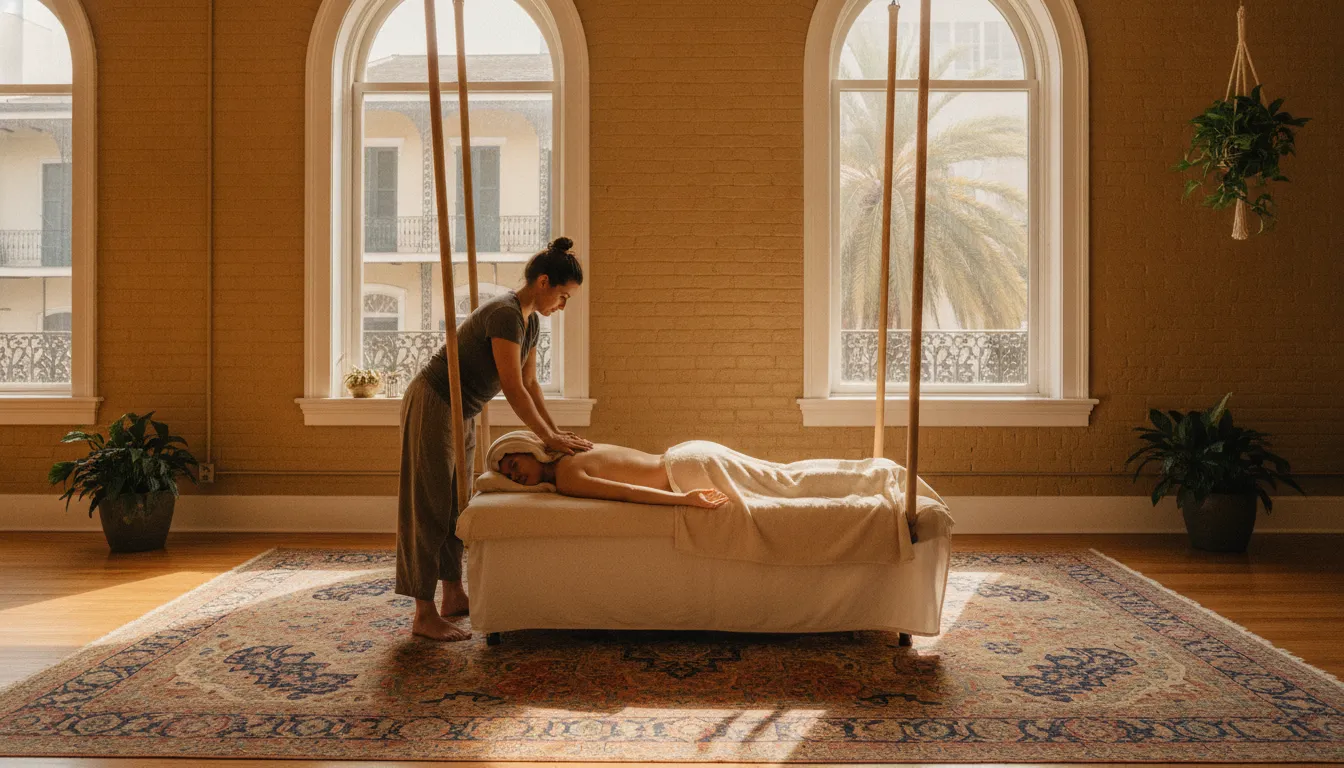
If you’re looking to offer a truly unique and powerful experience, Ashiatsu is a fantastic specialization. In this technique, the therapist uses their feet to deliver deep, broad, and consistent pressure. Using overhead bars for balance and support, you can apply gravitational force to achieve a depth that’s difficult to replicate with hands or elbows. Ashiatsu Deepfeet Bar Therapy is amazing for clients with dense muscle tissue or those who love deep pressure but find pointed elbow work uncomfortable. It’s also a great modality for saving your hands and extending your career as a therapist.
Supporting Mothers-to-Be: Prenatal Massage
Working with expectant mothers is a special privilege that requires specific training and a gentle touch. Prenatal massage is tailored to the unique needs of a pregnant body, helping to relieve common discomforts like back pain, swollen ankles, and sciatica. The techniques are modified to ensure the safety and comfort of both mother and baby, often using pillows and side-lying positions. Offering a prenatal massage service allows you to support clients during a transformative time in their lives. It’s a deeply fulfilling specialization that helps reduce stress, improve sleep, and promote overall well-being during pregnancy.
For the Athlete: Sports Massage
Athletes put their bodies through incredible stress, and sports massage is designed to help them perform at their best and recover faster. This technique focuses on the specific muscle groups used in a particular sport. It can be applied before an event to warm up the muscles and prevent injury, or after an event to reduce soreness and help tissues heal. Sports massage often incorporates a variety of techniques, including stretching, deep tissue work, and trigger point therapy. It requires a strong knowledge of kinesiology and is perfect for therapists who are passionate about helping people achieve their peak physical potential.
Soothing Heat: Hot Stone Therapy
Incorporating hot stones into a massage is a wonderful way to deepen relaxation and melt away muscle tension. In this modality, smooth, heated stones are placed on key points of the body and also used as massage tools. The heat from the stones helps to warm and relax the muscles, allowing you to work more deeply without applying excessive pressure. This makes it a great option for clients with muscle pain who may find deep tissue work too intense. Offering an enhancement like Hot Himalayan Salt Stones can add a touch of luxury to your services and appeal to clients looking for a truly restorative experience.
The Qualities of a Successful Massage Therapist
Becoming a truly great massage therapist goes far beyond just learning the right techniques. It’s about a commitment to professionalism, continuous learning, and a genuine passion for helping people feel their best. While technical skill is the foundation, the most successful therapists build on that with specialized knowledge, a stellar reputation, and a clear understanding of the kind of environment where they can do their best work. It’s this combination that turns a job into a fulfilling, long-term career. At Nola Bliss, we believe that our clients’ incredible experiences are a direct result of our therapists’ dedication to these principles. A great therapist doesn’t just give a massage; they provide a pathway to healing and relaxation, session after session.
Getting Licensed: State and Local Requirements
Your journey to becoming a professional massage therapist starts with the right credentials. This isn’t a field you can just jump into; it requires formal education and legal recognition to ensure you’re providing safe and effective care. Most states require massage therapists to have a license or certification, which typically means completing an accredited training program and passing a national exam. This process ensures you have a deep understanding of anatomy, physiology, and ethics. Think of your license as more than just a piece of paper—it’s a symbol of your professionalism and a promise to your clients that they are in skilled, trustworthy hands. It’s the non-negotiable first step to building a career you can be proud of.
Why Finding Your Niche Matters
Once you’ve mastered the fundamentals, finding a niche can set you apart. The world of massage is incredibly diverse, with modalities designed for every type of client need. By pursuing advanced training, you can develop expertise in specific areas. For example, you might focus on the deep, targeted pressure of Ashiatsu Deepfeet Bar Therapy or learn the gentle, supportive techniques required for prenatal massage. Specializing allows you to attract clients seeking specific outcomes and demonstrates a deeper commitment to your craft. The massage field is always evolving, and dedicating yourself to a specialty helps you deliver more comprehensive and effective treatments that can truly change your clients’ lives.
How Specialization Can Increase Your Income
Choosing a specialty isn’t just about professional development; it’s a direct path to increasing your earning potential. When you become an expert in a specific modality, you can command higher rates because you’re offering a solution that not everyone can provide. Clients are often willing to pay more for a therapist who has advanced training to address their unique issues, whether it’s the deep, consistent pressure of Ashiatsu or the specialized care of a prenatal massage. This allows you to earn more per session rather than trying to squeeze more appointments into your week, which is a key strategy for building a sustainable, long-term career. By establishing yourself as a go-to professional in your niche, you attract a dedicated client base and position yourself among the top earners in the field.
How to Build Your Experience and Reputation
Your reputation is your most valuable asset. It’s built not only on your technical skills but also on your professionalism, communication, and the consistent results you deliver. Every client interaction is an opportunity to strengthen your reputation. Are you listening carefully during intake? Are you creating a comfortable and safe environment? Are you checking in about pressure? These details matter. Over time, positive experiences lead to word-of-mouth referrals and glowing reviews, which are the lifeblood of a successful practice. A great marketing plan isn’t just about finding new clients; it’s about retaining the ones you have by providing an exceptional experience every single time they book with you.
Independent vs. Spa Chain: Which Is Right for You?
Where you practice has a huge impact on your career satisfaction and growth. Many therapists—nearly half, in fact—choose to be self-employed or work in independent studios. This path often allows for more autonomy and a focus on therapeutic quality over volume. At an independent studio like Nola Bliss, therapists are part of a dedicated team of specialists who are passionate about their craft. In contrast, large chains or spas may offer more structure but can sometimes prioritize speed and sales quotas. Consider what matters most to you. Do you thrive with creative freedom and a close-knit team, or do you prefer the framework of a larger corporation? Your choice will shape your daily work and long-term career path.
Common Employee Benefits
Massage therapy isn’t just found in spas and clinics anymore. More and more companies are recognizing the value of wellness in the workplace and are offering massage as a key employee benefit. They’ve seen firsthand how it can reduce workplace stress and anxiety, leading to a more positive and productive environment. This growing trend has opened up a fantastic career path for massage therapists who specialize in corporate wellness, providing on-site chair or table massages at offices, conferences, and special events.
This is a win-win for everyone. Employers find that offering this perk helps decrease the number of sick days their team takes and keeps everyone feeling more focused and engaged. For the therapist, it’s a rewarding way to bring the benefits of massage directly to people during their workday, helping to build a healthier work culture one company at a time. It’s a great way to diversify your work and reach clients who might not otherwise seek out a massage studio.
How to Give Every Client a Perfect First Session
The first session with a new client is your chance to build a foundation of trust that can last for years. It’s about more than just demonstrating your technique; it’s about showing that you are a professional, attentive, and caring therapist who is invested in their well-being. From the moment they walk in, your goal is to create an experience that makes them feel seen, heard, and safe. This initial appointment sets the tone for your entire therapeutic relationship, turning a first-time visitor into a loyal, long-term client who sees you as an essential part of their self-care routine.
A great first session is a structured conversation that flows from verbal to non-verbal. It starts with a thorough consultation, moves into creating a serene environment, and relies on clear communication throughout the treatment. It wraps up with thoughtful aftercare advice that extends the benefits of your work long after the client has left your studio. By mastering these steps, you not only provide an exceptional massage but also establish yourself as a trusted wellness partner. This is how you build a reputation for excellence and a client base that understands the value of regular, therapeutic bodywork. It’s the difference between a one-time service and a lasting professional relationship.
Mastering the Client Consultation
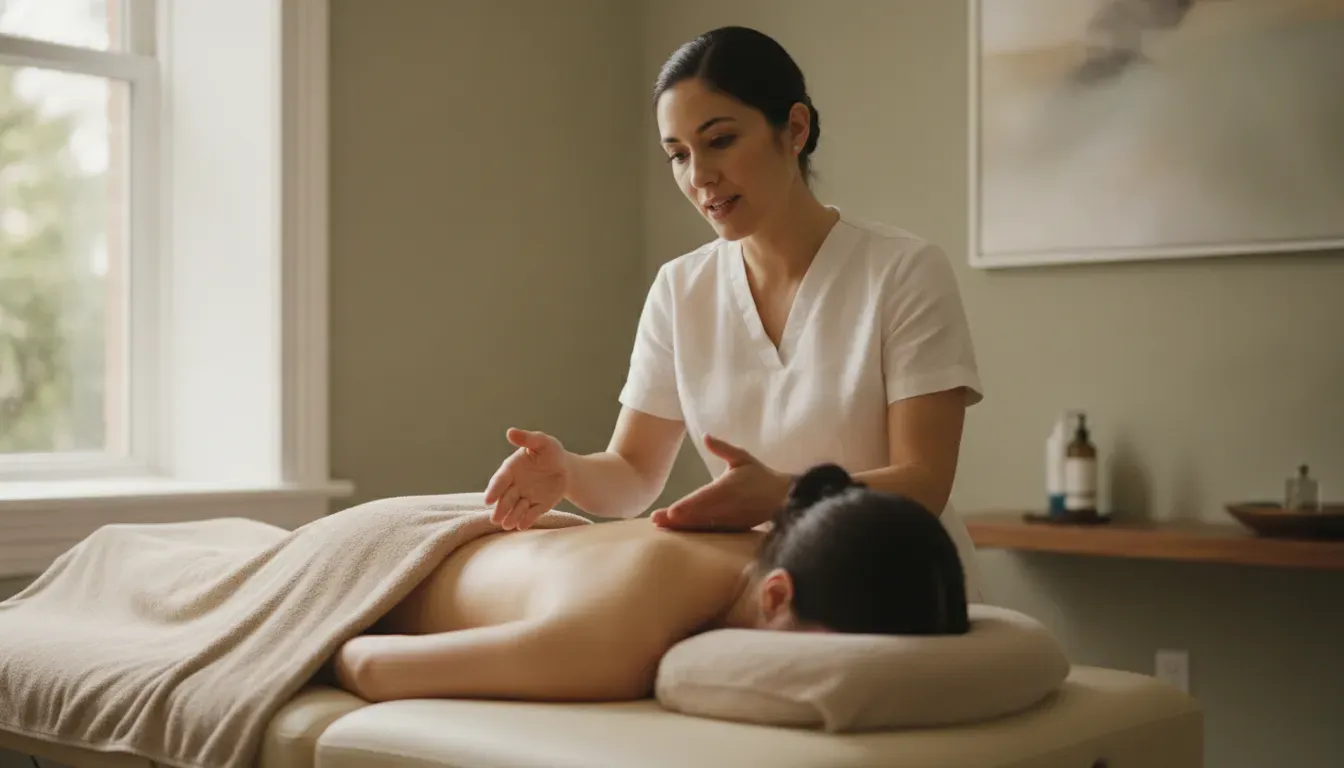
Before your hands ever touch the client, your ears are your most important tool. The initial consultation is a dedicated conversation where you learn about your client’s history, goals, and any specific concerns they have. While a written intake form is essential for documentation, the verbal conversation builds rapport. Ask open-ended questions about their lifestyle, stress levels, and what prompted them to book a massage. Are they dealing with chronic pain, recovering from an injury, or simply seeking relaxation? This conversation helps you understand their needs so you can tailor the session perfectly. Your primary role is to help people by easing pain and lowering stress, and that process begins with listening carefully and building a treatment plan together.
How to Create a Calm and Welcoming Space
Your treatment room should be a sanctuary where clients can disconnect from the outside world. Pay close attention to the details that engage the senses: the room should be clean, warm, and quiet. Use soft, indirect lighting and offer calming music, but always give the client the option to have silence if they prefer. Ensure your linens are fresh and soft, and consider using a table warmer for extra comfort. Your own demeanor is just as important. Greet them with a warm, calm presence to help them feel at ease. A welcoming environment signals that you are a professional who cares about their comfort, which helps them relax fully and receive the significant wellness benefits that massage therapy offers.
The Importance of a Professional Treatment Room
The treatment room is more than just four walls; it’s the first impression of your professionalism. When a client steps into a space that is intentionally designed for their comfort—clean, organized, and serene—it immediately communicates that they are in capable hands. This environment is crucial for building trust, as it helps the client feel safe enough to relax both mentally and physically. A tense client will have tense muscles, making your job harder and the massage less effective. By investing in a professional setting, you are directly contributing to the therapeutic outcome of the session and setting the stage for a lasting client relationship.
Communicating During the Massage
Communication shouldn’t stop once the massage begins. Check in with your client early on to make sure the pressure is comfortable, and encourage them to speak up if they need anything adjusted. You can say something simple like, “How is this pressure for you?” or “Let me know at any point if you’d like more or less pressure.” As you work, pay attention to non-verbal cues like flinching or changes in breathing. It can be helpful to briefly mention what you’re feeling and how you’re addressing it, which builds trust and helps the client develop better body awareness. Consistent communication ensures the client feels in control and is receiving the most effective treatment possible for their unique pain patterns.
Giving Helpful Aftercare Advice
Your role as a therapist extends beyond the massage table. After the session, give your client a few moments to get up slowly and offer them a glass of water. This is the perfect time to provide simple, actionable aftercare advice that reinforces the work you just did. Recommend they continue to hydrate throughout the day to help flush out metabolic waste released from the muscles. You might also suggest a warm Epsom salt bath to soothe any tender areas or some gentle stretches for specific muscles you worked on. This guidance helps maximize the benefits of the massage and shows you’re committed to their long-term well-being. It’s a professional touch that makes a lasting impression and encourages them to book their next appointment.
The Real Impact of Your Work
As a massage therapist, you do more than just help people relax. You become a trusted partner in their overall well-being, making a tangible difference in their daily lives. Your work is a unique blend of science and intuition, requiring you to listen not just to your client’s words but to what their body is telling you. Each session is an opportunity to provide relief, support healing, and create a safe space for someone to recharge. This career path is deeply rewarding because you can see the direct, positive results of your efforts, whether it’s helping someone manage chronic pain, recover from an injury, or simply cope with the stresses of modern life. You’re not just providing a service; you’re facilitating a powerful connection between mind and body that can have lasting effects long after the session ends. You’ll find that clients come to you not just for your technical skills, but for your ability to listen and provide compassionate care. It’s a career built on trust and human connection, where your dedication directly contributes to someone else’s health and happiness.
Helping Clients with Their Physical Health
One of the most significant ways you’ll make a difference is by improving your clients’ physical health. Massage therapy is a recognized health practice that can help manage pain, improve circulation, and support recovery from injuries or chronic conditions. For many clients, your work will be the key to finding relief from persistent issues like back pain, arthritis, or fibromyalgia. You’ll help athletes recover faster, office workers find freedom from neck and shoulder tension, and expecting mothers navigate the physical demands of pregnancy. By applying your knowledge of anatomy and physiology, you can directly address muscle tightness and restrictions, helping your clients regain mobility and live more comfortably in their bodies.
How You’ll Support Mental Wellness
The connection between physical touch and mental well-being is profound. As a therapist, you provide a calming, restorative experience that goes a long way in reducing stress and anxiety. For many clients, their time on your table is the only hour of their week where they can truly disconnect from their responsibilities and focus on themselves. Regular massages allow you to address pain patterns and re-educate muscles, which can improve posture and body mechanics. This not only reduces physical strain but also helps clients feel more grounded and confident. Your ability to create a tranquil environment and show genuine care helps build a therapeutic relationship that supports your clients on their mental wellness journey.
Becoming a Partner in Pain Management
For clients living with chronic pain, you are more than a massage therapist—you are a vital part of their pain management team. You have the ability to offer targeted relief that can reduce their reliance on medication and improve their quality of life. Specialized modalities like Ashiatsu Deepfeet Bar Therapy allow you to use gravity and your body weight to deliver deep, consistent pressure that releases tightness in the deepest muscle layers. By carefully listening to your client’s needs and assessing their condition, you can apply the right techniques to address specific trigger points and areas of tension, providing immediate relief and long-term benefits.
Encouraging Long-Term Wellness Habits
Your impact extends beyond the treatment room. A great therapist also acts as a guide, empowering clients to take an active role in their own health. This involves providing aftercare advice, such as recommending specific stretches, suggesting postural adjustments, or explaining the benefits of hydration. By educating your clients, you help them understand their bodies better and make small, sustainable changes that support the work you do in your sessions. This guidance helps build a strong, trusting relationship, turning one-time visitors into loyal clients who see massage as an essential part of their ongoing wellness routine.
Challenges Every New Therapist Faces
Starting a career as a massage therapist is incredibly rewarding, but like any new path, it comes with its own set of hurdles. It’s one thing to master the techniques in school, and another to apply them in the real world while building a sustainable career. The good news is that these challenges are completely manageable with a bit of foresight and planning. From learning how to protect your own body to finding your first clients, every obstacle is an opportunity to grow into a more resilient and successful practitioner.
The most common challenges you’ll face early on involve the physical nature of the work, the business acumen required to build a client list, the necessity of lifelong learning, and the importance of having a solid support system. Thinking about these things from the start will set you up for a long and fulfilling career where you can focus on what you love: helping people feel their best. Let’s walk through each of these challenges and talk about practical ways to handle them.
How to Handle the Physical Demands of the Job
Massage therapy is a physically demanding profession. Unlike a desk job, your body is your primary tool, and the repetitive motions and sustained pressure can take a toll. The U.S. Bureau of Labor Statistics notes that because the work is so strenuous, many therapists can’t maintain a standard 40-hour work week. To build a long-lasting career, you have to prioritize self-care from day one. This means mastering proper body mechanics to protect your joints, scheduling breaks between clients, and knowing your physical limits. Learning less strenuous modalities, like Ashiatsu Deepfeet Bar Therapy, can also save your hands and extend your career. Remember, you can’t pour from an empty cup.
Your First Steps to Building a Client Base
Once you have your license, your clients won’t just magically appear. You have to go out and find them. Building a steady client base is one of the biggest challenges for new therapists, and it requires a business-owner mindset. You need a clear and intentional marketing plan to reach the people who need your skills most. This could involve creating a simple website, being active on social media, networking with other wellness professionals like chiropractors or yoga instructors, or offering introductory specials. It takes time and consistent effort, so be patient with yourself as you build momentum. Every client you treat well is a potential source of repeat business and referrals.
Specific Marketing Tactics to Attract Clients
Marketing can sound like a big, scary word, but it’s really just about making genuine connections. Start with a simple, professional website that showcases your skills, lists your services, and makes it easy for people to book an appointment. Use social media to share your passion, not just to sell. Post short videos of simple stretches or explain the benefits of a technique you love. Another powerful strategy is to build a local referral network. Connect with chiropractors, yoga instructors, and personal trainers in your area. When you build relationships with other wellness professionals, you create a community of care that benefits everyone, especially your clients.
Strategies for Encouraging Repeat Business
The key to a full schedule is turning first-time clients into regulars, and that all comes down to the experience you provide. Your reputation is built on consistency, professionalism, and delivering real results. Make every session count by listening attentively, remembering details from their last visit, and creating a treatment plan that addresses their long-term goals. When you position yourself as a trusted wellness partner rather than just a service provider, clients will see you as an essential part of their self-care routine. You can also make it easier for them to commit by offering packages or a simple loyalty program. This encourages consistency and helps clients invest in their ongoing health.
Why You Should Never Stop Learning
Your initial massage therapy certification is your license to practice, but it’s just the beginning of your education. The field of bodywork is constantly evolving, and a commitment to continuous learning is what separates good therapists from great ones. Continuing education keeps your skills sharp, introduces you to new modalities, and allows you to develop specializations that attract specific clients. Whether you decide to focus on prenatal massage or advanced deep tissue techniques, adding new skills makes you a more effective and marketable therapist. It shows clients you’re dedicated to your craft and invested in giving them the best possible care.
Where to Find Support and Mentorship
Working as a massage therapist, especially as a solo practitioner, can sometimes feel isolating. You might encounter a difficult client situation or simply feel stuck in a professional rut and not know who to turn to. This is why building a local support system is so important. Connecting with other massage therapists—whether through professional organizations, social media groups, or local meetups—gives you a network of peers who understand your challenges. These connections provide more than just camaraderie; they can be a source of referrals, business advice, and encouragement when you need it most. Don’t view other therapists as competition; see them as colleagues you can learn from and grow with.
How to Grow Your Practice with Packages and Programs
Once you’ve mastered your hands-on techniques and built an initial client list, you can start thinking about the bigger picture of your career. Building a sustainable and thriving massage practice isn’t just about getting clients on the table for a single session; it’s about creating long-term relationships and a predictable stream of income. This is where packages, memberships, and specialized programs come in. They transform your service from a one-time treat into an essential part of your clients’ ongoing wellness routines.
Thinking strategically about your offerings allows you to serve your clients more effectively while also creating more stability for your business. By bundling sessions, you encourage clients to commit to their health, which leads to better results for them and more consistent bookings for you. Expanding your services to include unique experiences like couples massages or corporate wellness programs opens up entirely new revenue streams and introduces your work to a wider audience. It’s all about building a business structure that supports both your clients’ well-being and your own professional growth.
Designing Client Memberships and Packages
One of the most effective ways to encourage repeat business is by creating memberships and packages. Instead of relying on clients to book appointments one by one, you can offer them a series of sessions at a better value. This simple shift in mindset encourages clients to view massage as a consistent part of their self-care, not just an occasional indulgence. For example, you could offer a package of five deep tissue massages for the price of four, or create a monthly membership that includes one 60-minute massage and a discount on any additional services.
These offerings create a reliable source of income and help you build a loyal base of regulars. When clients pre-pay for a package, they are committed to returning, which fills your schedule and deepens your therapeutic relationship. You can strengthen relationships with existing clients by promoting these packages through email newsletters, letting them know you’ve created an option to help them stay consistent with their wellness goals.
Adding Specialized Services like Couples Massage
To stand out in a crowded market, it helps to offer something unique. Developing specialized services allows you to attract new clients who are searching for a specific experience. A couples massage, for instance, is a fantastic way to bring in pairs celebrating anniversaries, birthdays, or simply looking for a way to relax together. This service not only fills two spots on your schedule at once but also introduces your practice to two new potential clients.
A successful marketing plan should always balance attracting new people with retaining your current clients. By offering unique services, you do both. Certifications in advanced modalities like Ashiatsu Deepfeet Bar Therapy or specialized training in prenatal massage can also establish you as an expert in a particular niche. Highlighting these specializations on your website and in your marketing materials will draw in clients who need your specific skills and are often willing to invest in high-quality care.
Breaking into the Corporate Wellness Scene
Another powerful way to grow your business is by looking beyond individual clients and tapping into the corporate world. Many companies are investing in wellness programs for their employees, and massage is a highly sought-after perk. You can start by offering on-site chair massage for local businesses, which serves as a great introduction to your work. These events can lead to regular corporate contracts, providing a steady and reliable income stream.
To get started, you’ll want to focus on networking and outreach. Connect with local business owners, HR managers, and event planners who might be looking for wellness services. According to ClinicSense, effective strategies include cross-promotion and client referrals to get your foot in the door. Attending local business events or joining professional organizations can help you make the right connections. Corporate wellness not only diversifies your income but also positions you as a key health partner in your community.
Simple Ways to Build Client Loyalty
Ultimately, the foundation of a successful massage business is client loyalty. While packages and special offers are great tools, true loyalty is built on trust, connection, and exceptional service. It’s about remembering the little things—like your client’s preference for a certain level of pressure, the details of the injury they’re working to heal, or their favorite aromatherapy scent. This level of personalized care makes clients feel seen and valued, turning them from casual customers into devoted regulars.
You can foster this connection by actively listening during consultations and keeping detailed notes on each client’s progress and preferences. A simple follow-up email or text after a particularly intensive session can also go a long way. When clients feel that you are genuinely invested in their well-being, they are more likely to rebook, purchase packages, and refer their friends and family. This personal touch is what truly sets an independent therapist apart and builds a reputation that keeps people coming back for years.
Expanding Your Business by Hiring Other Therapists
When your appointment book is consistently full and you’re turning away potential clients, it’s a clear sign that you’re ready for the next step: growing your team. Hiring another therapist is a significant move that shifts you from a solo practitioner to a business owner, allowing you to serve more people and scale your impact. This is a form of business diversification that can increase your revenue and prevent burnout. To do it right, you’ll need to create a clear job description, research competitive pay in your area, and decide on your hiring model—will they be an employee or an independent contractor? Expanding your team means you can offer more availability for popular services like couples massages and ensure your clients always receive the high-quality care that built your reputation, even when you’re not the one providing the treatment.
Skills for a Successful Career as a Massage Therapist
Becoming a successful massage therapist goes far beyond just learning the hands-on techniques. While your ability to perform a great massage is the foundation of your career, the skills that create a lasting, fulfilling practice are often the ones that happen before, during, and after the session. This is a career built on human connection. You’re working with people who come to you for relief, relaxation, and healing, and that requires a unique blend of technical expertise, interpersonal grace, and professional diligence.
A truly great therapist is part artist, part scientist. The science is your deep knowledge of anatomy, physiology, and kinesiology—understanding how the body works is essential for providing safe and effective treatment. The art is in your touch, your intuition, and your ability to listen not just with your ears, but with your hands. It’s about sensing tension, understanding a client’s unspoken needs, and adapting your approach in the moment. The dedicated team at Nola Bliss exemplifies this balance, combining years of experience with a genuine passion for healing. This career also demands physical stamina and a commitment to your own well-being. Learning proper body mechanics isn’t just a suggestion; it’s the key to longevity. Finally, a sharp business sense will set you apart, helping you build a loyal client base and turn your skills into a sustainable profession.
The Art of Communication and Empathy
Your ability to communicate effectively is just as important as your hands-on technique. The work begins the moment a client walks in, during the initial consultation. This is your chance to practice active listening—to truly hear their concerns, understand their goals for the session, and ask clarifying questions. Empathy is your guide, allowing you to connect with what your client is feeling, whether it’s chronic pain or daily stress. This understanding helps you build trust and create a safe space, making it easier for them to relax and receive the full benefits of the massage. Clear communication ensures they feel heard and respected from start to finish, setting the stage for a positive and healing experience.
Perfecting Your Hands-On Technique
Your physical technique is the core of your craft. It’s the skilled application of pressure and movement to the body’s muscles and soft tissues to relieve pain, reduce stress, and improve overall wellness. While you’ll learn the fundamentals in school, true mastery comes from continuous practice and a dedication to refining your skills. It also requires a deep understanding of your own body mechanics. Using your body weight instead of just muscle strength, maintaining proper posture, and staying grounded will protect you from injury and burnout. This physical intelligence allows you to provide powerful treatments, like a deep tissue massage, effectively and sustainably throughout your career.
Why Professional Ethics Are Non-Negotiable
Trust is the foundation of the relationship between a therapist and a client. As a massage therapist, you have a responsibility to uphold the highest professional and ethical standards in every interaction. This means maintaining strict confidentiality, respecting personal boundaries, and creating a safe and secure environment for every person who gets on your table. Your training will cover specific codes of conduct, but professionalism is about more than just rules. It’s about acting with integrity, ensuring clear and respectful communication, and empowering your clients. This commitment to ethical practice is what allows clients to feel safe, relax completely, and build a lasting professional relationship with you.
Understanding the Business Side of Massage
Whether you dream of opening your own studio or want to be a valued therapist at an established practice, understanding the business of massage is essential. Being a great therapist is only half the equation; you also need to know how to attract and retain clients. This involves developing practical skills like managing your schedule efficiently, keeping detailed client notes, and handling basic finances. It also means learning how to market yourself. Building a professional presence, encouraging satisfied clients to leave reviews, and clearly communicating what makes your work unique are all key to growing a steady client base and building a successful, long-term career in this rewarding field.
How to Set Up Your Massage Practice for Success
Once you have the skills and the license, the next step is to build a practice that not only serves your clients but also supports your long-term career goals. This means being intentional about where you work, how you manage your time, and the reputation you build. Success in this field comes from blending your therapeutic talent with smart business sense. It’s about creating a professional foundation that allows your passion for healing to truly shine and connect with the people who need it most.
How to Choose the Perfect Location
The right work setting is more than just a room with a massage table; it’s the environment where your career will take root. Your options are broad, from serene day spas and clinical chiropractic offices to bustling fitness centers or your own private studio. Think about the kind of therapist you want to be. If you are passionate about the therapeutic and healing aspects of massage, an independent studio focused on high-quality, customized treatments might be the perfect fit. This setting allows you to build lasting relationships with clients who are invested in their wellness journey, free from the high-volume, one-size-fits-all approach of some larger chains.
Creating a Schedule That Works for You
One of the biggest draws of a massage therapy career is the potential for a flexible schedule. However, autonomy requires discipline. It’s up to you to design a schedule that meets your clients’ needs without leading to your own burnout. Be realistic about how many massages you can perform in a day while maintaining quality and energy. Remember to block out time for essential administrative tasks like returning calls, washing linens, and marketing your services. Using an online booking system can streamline your appointment process, giving clients an easy way to see your availability and book a massage service that works for them.
How to Market Your Specializations
General massage skills are your foundation, but specializations are what will make you stand out. Developing expertise in a specific modality allows you to attract a dedicated clientele seeking targeted results. Whether you feel drawn to the deep, gravitational pressure of Ashiatsu Deepfeet Bar Therapy or the nurturing care of prenatal massage, honing a specialty makes you a go-to expert. It shows a commitment to your craft and gives you the confidence to address specific client concerns. Continuously learning and adding new certifications not only keeps your work interesting but also makes you an invaluable resource for your community.
Building a 5-Star Reputation from Day One
Your reputation is your most powerful asset. It’s built one massage at a time through professionalism, consistency, and genuine care. From the moment a client walks in, your focus should be on creating a safe and welcoming experience. Listen carefully during consultations, check in during the session, and provide thoughtful aftercare advice. Happy clients are the ones who rebook, leave glowing reviews, and refer their friends and family. You can also build a strong professional network by connecting with other local wellness providers, creating a community of support and a valuable system for referrals.
Harnessing the Power of Online Reviews
Your online presence is often a potential client’s first impression, and nothing speaks louder than your reviews. In fact, data shows that a staggering 92% of new clients will check your online reviews before booking an appointment. Think of these reviews as the digital version of word-of-mouth, reflecting not just your technical skills but your professionalism and the consistent results you deliver. A collection of positive feedback serves as powerful social proof, building trust with prospective clients before they even walk through your door. Don’t be shy about encouraging satisfied clients to share their experience. A simple, friendly request after a great session can help you build a five-star reputation that showcases your unique offerings and grows a steady, loyal client base.
Finding a Job as a Massage Therapist
With your license in hand, you’re ready for the exciting next step: finding the right place to share your skills. The search for your first massage therapy job is an opportunity to find a work environment that truly aligns with your passion and career goals. You’ll find openings everywhere from tranquil resort spas and busy chiropractic clinics to dedicated independent studios. Each setting offers a different culture and pace, so it’s important to think about what kind of atmosphere will help you thrive. Are you looking for a place that values deep, therapeutic work over high client turnover? Finding a team that shares your philosophy on healing and client care is the key to building a career that feels both successful and deeply satisfying.
Before you start applying, take some time to polish your professional resume and write a cover letter that tells your story. This is your chance to highlight not just your license, but also any specializations you’ve pursued. If you’ve completed advanced training in modalities like deep tissue, sports massage, or even something as unique as Ashiatsu, make sure it’s front and center. Think about what you want from an employer, too. Are you looking for mentorship, opportunities for continuing education, or a supportive team environment? Knowing what you’re looking for will help you narrow your search and identify the studios and clinics where you can truly grow and do your best work.
How to Search for Job Openings Online
Your job search will likely begin online, where you have access to a wide range of opportunities. Start with major job boards like Indeed and LinkedIn, using specific keywords like “Licensed Massage Therapist” to filter your results. Beyond the big sites, it’s a great idea to look directly at the websites of studios you admire, as many businesses post openings on their own careers page. You can also check the career centers of professional organizations, which often list jobs targeted specifically to members. A simple local search for “massage therapist jobs near me” can also uncover hidden gems at independent studios that may not advertise on the larger platforms, giving you a direct line to your local wellness community.
Related Articles
- Couples Massage | Nola Bliss Massage Therapy
- Workshops | Nola Bliss Massage Therapy
- Massage Services | Nola Bliss Massage Therapy
Frequently Asked Questions
How long does it take to become a massage therapist? The timeline can vary, but most accredited programs require between 500 and 1,000 hours of training. If you attend full-time, you could complete your education in as little as six months to a year. After you graduate, you’ll also need to study for and pass a licensing exam, like the MBLEx, and complete your state’s application process. All in all, you can realistically go from starting school to being a licensed professional ready to see clients in about a year.
Is this career physically demanding, and how can I protect my body? Yes, being a massage therapist is absolutely a physical job, and taking care of your own body is non-negotiable for a long career. The key is to work smarter, not harder. This starts with mastering proper body mechanics in school—using your core and body weight instead of just your arm strength. It also means scheduling your days realistically, getting regular bodywork yourself, and considering modalities like Ashiatsu Deepfeet Bar Therapy, which uses your feet and gravity to deliver deep pressure, saving your hands and wrists from strain.
What kind of income can I expect as a massage therapist? Your income potential really depends on several factors, including where you work, how many clients you see, and whether you have any specializations. Therapists working in an independent studio or for themselves often have higher earning potential than those in large chain spas. Building a full schedule of loyal, repeat clients is what creates a stable income. Focusing on providing exceptional service and developing advanced skills will allow you to build a strong reputation and, in turn, a more profitable and sustainable career.
What’s the most important skill for a new therapist to develop? Beyond your hands-on technique, the most crucial skill is active listening. Your ability to truly hear what a client is telling you—both with their words and their body language—is what turns a good massage into a great one. This is how you build trust, tailor the session to their exact needs, and make them feel genuinely cared for. Technical skills can always be refined, but the ability to create a safe, communicative space is what will keep clients coming back to you for years.
Should I specialize in a technique like Ashiatsu right away? It’s a great idea to have a specialization in mind, but your first priority should be mastering the fundamentals of anatomy, physiology, and classic Swedish massage. This foundation gives you the knowledge and confidence you need to safely work on any client. Once you feel solid in your core skills, pursuing an advanced certification in a modality you’re passionate about is the perfect next step. It will set you apart and allow you to attract clients who are looking for your specific expertise.