Medical massage vs therapeutic massage is less a battle of two techniques than a question of purpose. One label usually means a session built around a specific outcome. The other is the wider name for massage chosen to support comfort, movement, or relief from everyday tension. In New Orleans, the useful comparison is whether the session you book matches the goal you can describe, not which phrase sounds more clinical.
Ask about a massage appointment
How do medical massage vs therapeutic massage differ?
There is no single law that splits these names into two sealed categories. Schools, clinics, and studios use them in overlapping ways. A practical split still helps. Medical massage is commonly described as outcome-based work aimed at a named concern, often after an assessment and a focused plan. Therapeutic massage is the broader idea: massage intended to help the body feel and function better, which can include relaxation, stress relief, or work on tight areas.
The National Center for Complementary and Integrative Health groups Swedish or classical massage, sports massage, and clinical massage under one umbrella. Clinical massage, in that description, is massage used to reach a specific goal such as easing a muscle spasm. That is close to how many people use “medical massage.” It is still massage of soft tissue, not a medical procedure and not a diagnosis.
An education article from ASIS Massage makes a similar split between a relaxing session and a medical one. Relaxing work aims at calm and general ease. Medical work aims at a stated result, such as less pain or easier movement, and it depends on assessment and a plan. Read that comparison of relaxing massage and medical massage if you want the school-side view. Then use the questions below to see what a local studio can actually offer.
What people usually mean by medical massage
When someone asks for medical massage, they often want work tied to a specific problem. Examples include a stiff shoulder that limits reaching, a low back that flares after travel, or tension a doctor has already discussed. The session may stay in one region instead of covering the whole body at an even pace. The therapist may ask more about history, current care, and what “better” would look like today.
That focus does not create a new license by itself. In Louisiana, the person giving the massage should be a licensed massage therapist. A medical-sounding menu name does not turn the visit into physical therapy, chiropractic care, or a doctor’s appointment. If a provider says the session treats a diagnosed condition, ask what they mean in plain language and what they will not do.
Insurance is a separate question, and the label alone does not answer it. Some plans ask for a prescription or a written plan before they consider massage. NOLA Bliss Massage does not advertise insurance billing for its sessions. If coverage matters to you, ask your plan first, then ask the studio whether it can supply any receipt you need. Do not assume a session called medical massage will be reimbursed.
What therapeutic massage covers at a studio
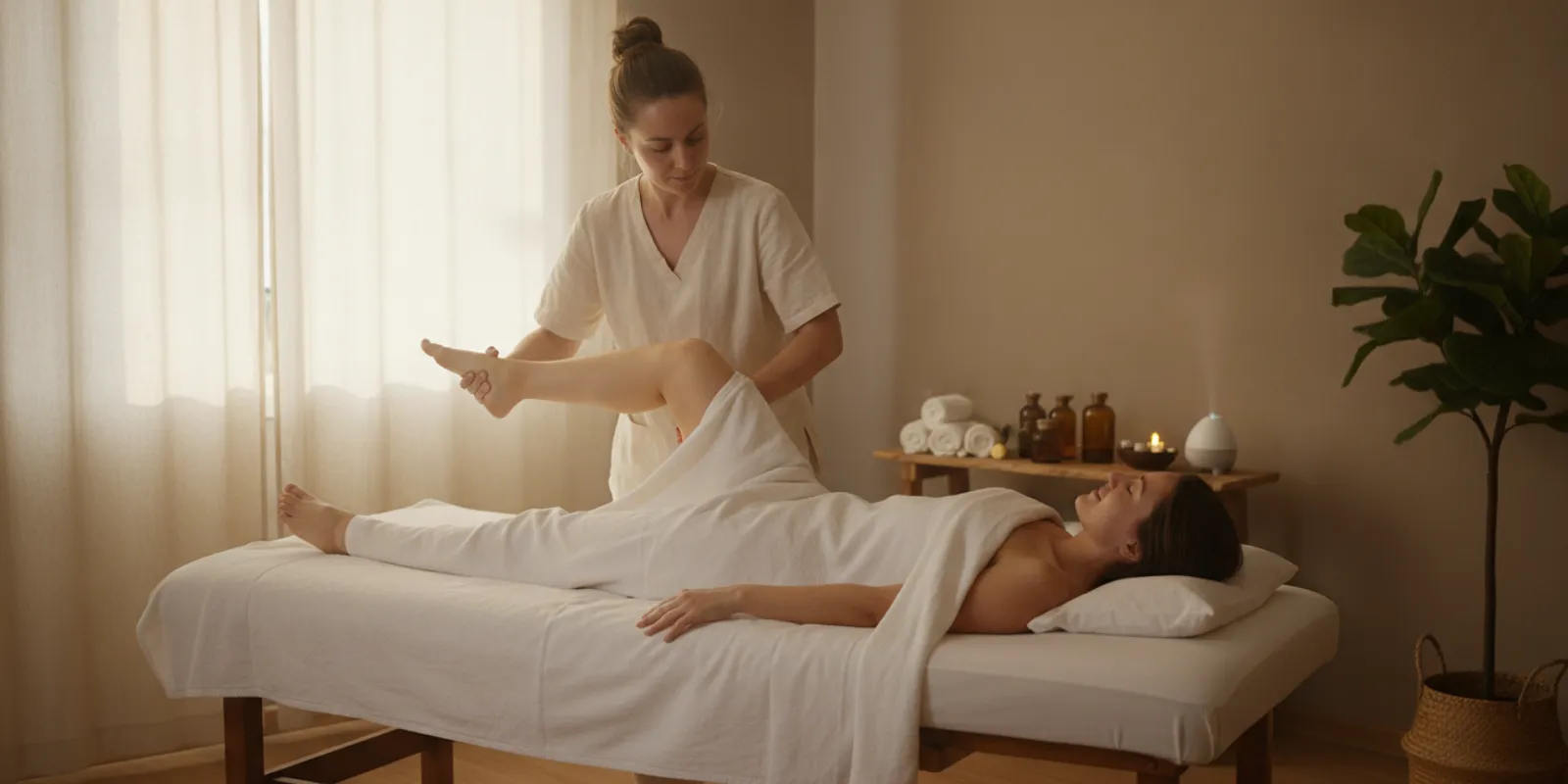
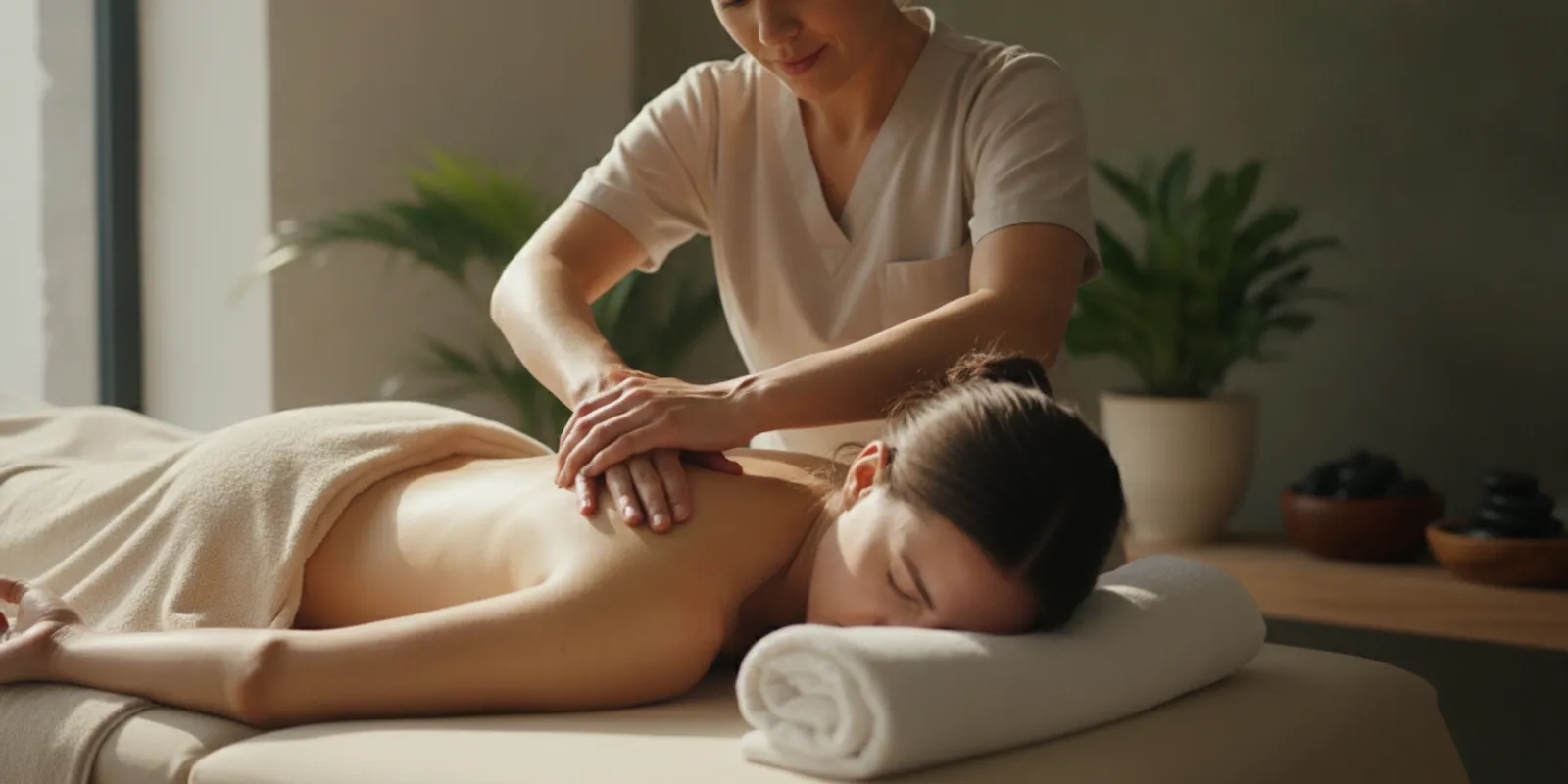
Therapeutic massage is the everyday name for professional massage aimed at how you feel and move, not at a spa add-on menu. It can be lighter or deeper. It can be full body or weighted toward the neck, back, or legs. The point is a session planned around what you say at the start, not a fixed routine that ignores you.
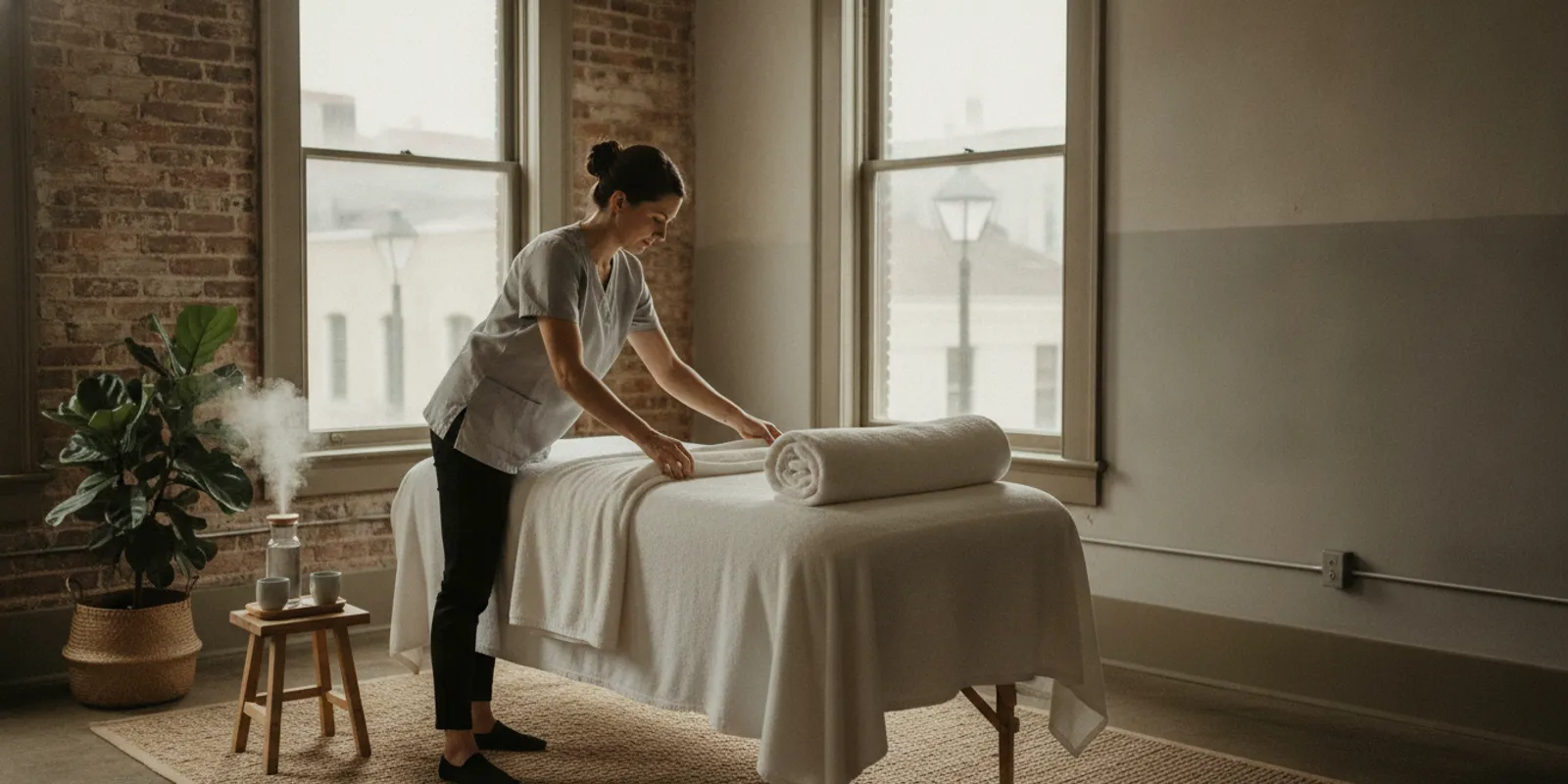
NOLA Bliss Massage is a therapeutic massage studio in the Warehouse District at 322 Lafayette Street, Suite 300. The published menu is a customized massage that can be Swedish or deep tissue, plus Ashiatsu Deepfeet Bar Therapy, prenatal massage, couples massage, and event chair massage. A 60-minute customized session is $120, 90 minutes is $170, and 120 minutes is $240. Hot Himalayan salt stones can be added for $20. Those prices are for the studio’s own services, not a claim about every “medical massage” clinic in the city.
You can review the full list on the New Orleans massage services page before you book. The same page is the right place to see prenatal options and session lengths. If you want the studio’s signature deeper pressure, the Ashiatsu massage page explains the barefoot bar work and that pressure can be lighter or deeper.
Which goal fits which kind of session?
Start with the result you want this week, not with the fanciest label. If you want to unwind after a convention day or a French Quarter weekend, a therapeutic session with Swedish-style strokes may be enough. If one area has been tight for weeks and you can point to it, say so and ask for time spent there. If a clinician has told you to avoid pressure, heat, or a certain position, bring that limit to the booking conversation.
| What you want | Closer label | What to ask for at NOLA Bliss |
|---|---|---|
| A calm, full-body reset. | Therapeutic. Often Swedish-style. | A 60- or 90-minute session. Name your pressure. |
| Work on one tight area. | Either label, if the plan is specific. | Deep tissue or Ashiatsu. Ask for time on that area. |
| A visit with a partner or friend. | Therapeutic, booked as couples. | A couples session. Each person can want a different style. |
| Care tied to a diagnosis or a doctor’s plan. | Often called medical massage. | Ask if the studio’s scope fits. Share what your clinician advised. |
The table is a booking aid, not a diagnosis chart. Two people can use the same 90 minutes for very different reasons. One may want quiet and even pressure. The other may want slower work on the hips after a long drive. Both can still be therapeutic. Only the second starts to resemble what clinics call medical massage, and only if the therapist agrees the goal is in scope.
How New Orleans clients can choose before they book
Use a short checklist so the phone call or the online note does the sorting for you. You do not need the perfect vocabulary.
- Name the goal in one sentence, such as “ease my upper back after two travel days” or “I want a full-body session to decompress.”
- Say what you want left alone. Recent surgery, a new injury, pregnancy, or a doctor’s restriction belongs in that sentence.
- Pick a length. Sixty minutes is enough for a focused area or a shorter full-body visit. Ninety or one hundred twenty minutes leaves more time if you want both.
- Ask which service on the menu fits. At this studio, that is usually a customized Swedish or deep tissue session, Ashiatsu, prenatal, or couples.
- Confirm the practical details: the Warehouse District address, free-parking steps, and whether you are calling or texting 504-615-9414.
Visitors near the convention center can also read the convention center massage page for location context. Drivers should open the free parking guide before they leave, so arrival does not eat the session. If you are comparing studios rather than styles, the about page covers the team and the Warehouse District studio.
What to tell the therapist on the day
The label on the menu matters less once you are on the table. A good intake is short and specific. Point to the area, say how long it has bothered you, and name any pressure that felt wrong in a past massage. If you are sore from a workout or a festival weekend, say whether you want the session to stay gentle.
Pressure is a preference, not a test. Ashiatsu can feel very deep because the therapist uses body weight through the feet, and it can also be moderated. Deep tissue is slower work in the muscle layers people usually notice as “tight.” Swedish-style work uses longer strokes and is often the better match when the goal is to settle down. You can change your mind mid-session. Say so.
Couples visits follow the same rule, twice. Each person can want a different pressure. The couples massage page is the place to see how a shared appointment is set up before you assume both of you need the same style.
What the session will not decide for you
A comparison can sort labels. It cannot promise that one hour of massage will fix a long-running problem. NCCIH’s review of the research is cautious. For low-back pain, reviews have found only weak evidence that massage helps. Neck and shoulder work may ease symptoms for a short time. Comfort and easier movement this week are still fair reasons to book.
Keep the claim the same size as the session. You can ask for extra time on a tight spot, moderate pressure, or a skipped area. You should not ask massage to replace imaging, medication advice, or a rehab plan someone else is directing. If a past provider used “medical massage” to mean a series of visits, ask whether a single customized session is what this studio offers.
Locals who return on a schedule are usually managing everyday strain. Visitors are often undoing a travel day. Both are solid uses of a therapeutic session. Say which one you are, because the pacing changes. A first visit also goes smoother if you arrive a few minutes early and mention any scent sensitivity before oil is chosen.
When a comparison is the wrong first step
Skip the label debate and call a licensed healthcare professional first if warning signs are present. Those include chest pain, trouble breathing, or a sudden severe headache. They also include numbness, weakness, or a hot, swollen leg. Massage is not the way to check those problems. The same is true after a new accident, a fracture, or surgery until your clinician says soft-tissue work is appropriate.
NCCIH notes that massage is generally low risk, and that rare serious harms have been reported, especially with intense techniques or in people at higher risk. That is a reason to share your history, not a reason to avoid every session. If you are pregnant, ask for the prenatal option and mention your trimester. If you are unsure whether heat, deeper pressure, or lying face-down is fine, get that answer from your own clinician before you book a “medical” session to find out.
A studio can still help with ordinary tightness, travel fatigue, and stress once those red flags are out of the picture. The honest offer at NOLA Bliss is a customized therapeutic session by a licensed massage therapist, not a promise to treat a disease.
Frequently asked questions
Is medical massage the same as therapeutic massage?
Not always, and not never. Therapeutic massage is the wider term for massage meant to help comfort or function. Medical massage usually means that work is aimed at one outcome and planned around it. A single session can fit both descriptions if the goal is specific and the therapist is working within a massage license.
Does NOLA Bliss Massage offer a separate medical massage service?
The public menu lists customized Swedish or deep tissue massage, Ashiatsu, prenatal massage, couples massage, and event chair massage. Those are therapeutic services you can aim at a clear goal, such as a tight back or a need to decompress. They are not advertised as insurance-billed medical treatment. Ask the studio if your goal fits before you book.
Will a medical massage be covered by insurance?
The name does not guarantee coverage. Plans that pay for massage often want a prescription, a diagnosis, or a provider who bills them directly. This studio’s published offer is self-pay appointment massage. Check with your plan, and do not book on the assumption that a receipt will be reimbursed.
Which is better for stress after a New Orleans trip?
If the goal is to calm down, sleep better, or ease general tightness from walking, a therapeutic session is the direct match. Tell the therapist how much pressure you want and whether any one area needs more time. You do not need a medical-massage label for that visit.
How do I book if I am still unsure?
Call or text 504-615-9414, or use the contact page, and describe the goal in one sentence. Mention pregnancy, a recent injury, or any limit your clinician gave you. The studio can point you to a customized session length and style, or tell you if the request sits outside massage scope.
Contact the studio to plan your session
Bring the goal, the limits, and the session length. The right choice in the medical massage vs therapeutic massage question is the visit whose plan you understand before you arrive.