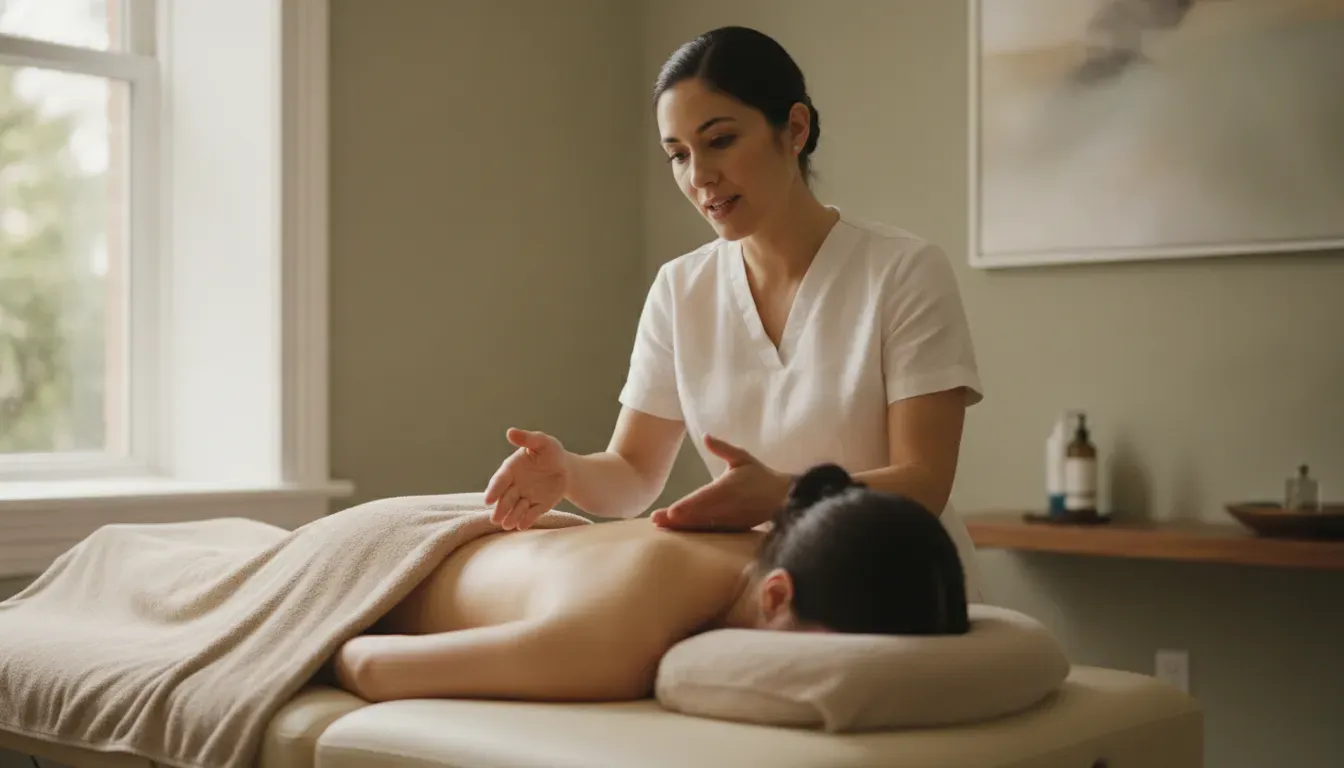

It’s important to understand that a prenatal massage is not just a regular massage with a few minor adjustments. This is a specialized therapy that requires extensive training and a deep understanding of a pregnant person’s anatomy. From the specific side-lying position supported by pillows to the modified techniques that ensure safety, every aspect is tailored to you and your baby. A certified therapist knows which areas to focus on and which to avoid, ensuring the entire session is both therapeutic and completely safe. This distinction is crucial, especially if your search for a qualified “prenatal massage near Texas” leads you to consider a special trip for expert care in New Orleans.
Key Takeaways
- Prioritize Proper Certification: Ensure your massage therapist is specifically certified in prenatal care. This specialized training is crucial for your safety and guarantees they understand how to position you correctly and use appropriate techniques for every trimester.
- It’s More Than Just Relaxation: A prenatal massage is a therapeutic tool designed to address specific pregnancy symptoms. It uses targeted techniques to improve circulation, reduce swelling, and relieve the persistent aches in your back and hips.
- Plan Ahead for the Best Results: Talk with your doctor before starting and maintain an open dialogue with your therapist about your needs. Scheduling regular sessions, especially as your due date nears, provides consistent relief and helps you manage the physical demands of pregnancy.
What Is Prenatal Massage?
Pregnancy is an incredible journey, but it also brings a lot of changes to your body. A prenatal massage is a full-body massage specifically designed for the needs of expectant mothers. It’s a wonderful way to find relief from the aches and pains of pregnancy while also taking a much-needed moment for yourself. Unlike a standard massage, this therapy is performed by a trained professional who understands the anatomy and physiology of a pregnant body. The goal is to provide comfort, relieve stress, and support your body’s transformation in a way that is safe for both you and your baby. It’s a supportive practice that can help you feel your best as you prepare for your new arrival.
The Benefits for Each Trimester
Prenatal massage offers unique benefits that adapt to your body’s needs throughout your entire pregnancy. In the first trimester, when you might be dealing with fatigue and nausea, a gentle massage can help ease tension and promote relaxation. As you move into the second trimester and your belly grows, you may start to feel new aches in your back, hips, and shoulders. Massage therapy can directly address this discomfort and improve your posture.
During the third trimester, many women experience swelling in their legs and feet. A prenatal massage can help improve circulation and reduce this fluid retention. It’s also fantastic for relieving sciatic nerve pain, a common issue late in pregnancy. Overall, regular sessions can lead to better sleep, lower stress levels, and a greater sense of well-being.
How It Differs from a Regular Massage
The biggest difference between a prenatal massage and a regular one is the specialized training of the therapist. Our licensed massage therapists who perform prenatal services are certified in this modality. They have a deep understanding of how to safely work with a pregnant body, which is essential for your peace of mind. Another key difference is positioning. You won’t be asked to lie on your stomach. Instead, you’ll be comfortably supported by pillows in a side-lying position to ensure there’s no pressure on your abdomen.
The techniques themselves are also modified. While a prenatal massage can still address muscle knots, the pressure is adjusted, and certain areas are treated with extra care. The focus is on common problem areas for pregnant women, like the lower back, hips, and legs.
Common Myths About Prenatal Massage
One of the most persistent myths is that massage is unsafe during the first trimester. The truth is, when performed by a certified prenatal massage therapist, it is perfectly safe throughout all three trimesters. A trained professional knows exactly how to position you and what techniques to use to ensure your and your baby’s safety from the very beginning. Another common concern revolves around certain pressure points, particularly around the ankles, supposedly inducing labor.
While there are points related to the uterus, a therapeutic massage does not apply the kind of specific, sustained pressure needed to trigger contractions. A knowledgeable therapist simply works around these areas with caution. The entire session is tailored to promote relaxation, not to start labor.
How to Choose a Prenatal Massage Therapist in New Orleans
Finding the right massage therapist is the most important step in having a safe and relaxing prenatal massage experience. While a massage sounds like a wonderful way to ease pregnancy aches, it’s crucial that the person you trust with your care is properly qualified. You’re not just looking for any massage therapist; you’re looking for a specialist who understands the unique changes your body is going through. A great prenatal massage can help with back pain, reduce swelling, and give you a much-needed moment of peace, but only when it’s done correctly.
To feel confident in your choice, you should focus on three key areas: the therapist’s training, their specific experience with pregnant clients, and the safety measures they have in place. Knowing what to look for will help you ask the right questions and find a professional who can provide the relief you need. At Nola Bliss, our team is dedicated to providing exceptional prenatal massage services, and we want you to feel completely comfortable and cared for, wherever you choose to go. This guide will walk you through exactly what to look for in a therapist in New Orleans.
Essential Certifications and Training
First things first, always confirm that your therapist is certified in prenatal massage. This is different from a standard massage license. Certified prenatal massage therapists complete extensive training to understand how massage works for an expecting mother’s body. This specialized education covers the anatomy and physiology of pregnancy, potential risks, and safe techniques for each trimester. A certified therapist knows which areas to avoid and how to adjust pressure to keep you and your baby safe. Don’t be shy about asking a studio or therapist about their credentials. A professional will be happy to confirm their qualifications. Our dedicated team is made up of highly trained therapists who have invested their careers in the practice of therapeutic massage.
Experience with Pregnancy-Specific Care
Beyond certification, look for a therapist who has significant hands-on experience working with pregnant clients. There’s a big difference between a therapist who sees a prenatal client once in a while and one who specializes in it. An experienced practitioner understands the common complaints of pregnancy, from sciatic pain to swelling, and knows how to address them effectively. Choosing a certified prenatal massage therapist ensures you receive safe and personalized care tailored to your specific needs. When you call to book, ask how often their therapists perform prenatal massages. Consistent experience means they are familiar with the physical and emotional needs of expectant mothers and can create a truly supportive session for you.
Safety Protocols and Proper Equipment
A professional studio will prioritize your safety with specific equipment and procedures. For prenatal massage, this almost always means using a side-lying position. This approach, supported by plenty of pillows and bolsters, keeps you comfortable and prevents pressure on the major blood vessels that supply your uterus. This positioning is different from traditional massages to ensure comfort and safety for the mother and baby. Be cautious of spas that use massage tables with a cutout for the belly. While they might seem like a good idea, they can allow the abdomen to dangle unsupported, which can strain your uterine ligaments. A knowledgeable therapist will always opt for supportive side-lying positions to protect you and your baby throughout your massage service.
What to Expect During Your Prenatal Massage
Stepping into a massage studio for the first time while pregnant can bring up a few questions. What will it be like? Is it safe? Knowing what happens during a session can help you relax and fully embrace the experience. A professional prenatal massage is designed completely around you and your baby’s well-being, from the moment you walk in the door to the moment you leave feeling refreshed.
Your appointment will generally have three main parts: a quick chat with your therapist, getting settled into a comfortable and safe position, and the massage itself, which uses techniques specifically adapted for pregnancy. Each step is carefully considered to make sure you feel secure, supported, and cared for. It’s a time for you to let go of stress and focus on the positive changes your body is going through.
The Pre-Session Health Chat
Your massage doesn’t start the moment you get on the table. It begins with a conversation. Before your session, your therapist will sit down with you to discuss your health history, how far along you are, and any specific aches, pains, or concerns you have. This is your time to share what you’re feeling, whether it’s lower back pain, swollen ankles, or just general tension.
This chat is essential because it allows a trained professional to tailor the massage to your exact needs. Our team of therapists has specialized training in prenatal care, so they know the right questions to ask to ensure your complete safety and comfort. It’s also a great opportunity for you to ask any questions you might have.
Positioning for Comfort and Safety
Once you’re ready for your massage, you’ll notice the setup is a little different from a standard session. You won’t be asked to lie on your stomach or flat on your back. Instead, the most common and safest position for a prenatal massage is lying on your side.
Your therapist will use a system of soft pillows, cushions, and bolsters to support your body. You’ll have pillows between your knees, under your head, and supporting your belly to keep your spine aligned and take all pressure off your abdomen. This cozy setup isn’t just for comfort; it’s crucial for ensuring healthy circulation and keeping you and your baby perfectly safe throughout the entire massage.
Safe Massage Techniques for Pregnancy
The massage itself is also customized for your pregnant body. A certified prenatal massage therapist uses modified techniques that are both gentle and effective. The strokes are often lighter, with a focus on improving circulation and relieving muscle tension in areas that are working overtime, like your lower back, hips, and shoulders.
Your therapist is trained to avoid certain pressure points and will adjust the pressure to a level that feels good to you. The goal of our massage services is to soothe common discomforts associated with pregnancy, not to perform intense deep tissue work. With a properly trained therapist, massage is considered safe at any stage of pregnancy, from the first trimester all the way to your due date.
Important Safety Guidelines to Follow
Your well-being and your baby’s safety are the absolute top priorities during a prenatal massage. While a massage from a trained professional is incredibly safe and beneficial, there are a few guidelines to keep in mind to ensure you have a relaxing and worry-free experience. Think of this as your personal safety checklist. It helps you partner with your massage therapist to create the perfect session for your body’s unique needs during this special time. Being informed allows you to relax completely, knowing that you’ve taken all the right steps to ensure a positive outcome for both you and your little one.
A great prenatal massage is a team effort between you and your therapist. By understanding when to get a doctor’s note, the best timing for a massage, and what signs to watch for, you can advocate for yourself and your baby. Our team of highly experienced therapists is dedicated to providing the safest, most effective care, and that always starts with open communication. We’ll always have a detailed chat before your session, but knowing these key safety points beforehand will make you feel even more confident and prepared for your appointment. This knowledge empowers you to fully embrace the therapeutic benefits of massage without any lingering questions or concerns.
When to Get Your Doctor’s Clearance
While prenatal massage is safe for most pregnancies, it’s always a smart move to get your doctor’s or midwife’s approval before your first appointment. This is especially important if you have a high-risk pregnancy or any pre-existing health conditions like high blood pressure, gestational diabetes, or pre-eclampsia. A quick conversation with your healthcare provider gives you peace of mind and provides your massage therapist with the information they need to tailor the session safely. Just think of it as one more step in your amazing pregnancy care plan.
Recommended Timing by Trimester
You might be wondering when the best time is to start enjoying prenatal massages. Most therapists, including our team at NOLA Bliss, recommend waiting until after the first trimester, or around the 12-week mark. The first trimester carries a higher risk of miscarriage, and while there’s no evidence that massage causes it, we prefer to be extra cautious. Plus, some women experience morning sickness and dizziness during this time, and a massage might not feel as comfortable. Once you’re in your second trimester, a prenatal massage can become a wonderful part of your routine for managing aches and pains.
Warning Signs to Be Aware Of
Listening to your body is crucial during pregnancy, and the same goes for massage. If you experience any unusual symptoms, it’s best to postpone your massage and check in with your doctor. Be on the lookout for things like severe swelling in your hands or face, a sudden spike in blood pressure, severe headaches, or vaginal bleeding. These can be signs of complications that need medical attention first. Always communicate openly with your therapist before and during your session. If anything feels off, don’t hesitate to speak up. Your safety is our priority, and we have a variety of other massage services you can enjoy once you’re cleared.
How Much Does Prenatal Massage Cost in New Orleans?
Investing in your well-being during pregnancy is one of the best things you can do for yourself and your baby. When you start looking for a prenatal massage, you’ll notice that prices can vary quite a bit. The cost depends on several key things, including the therapist’s expertise, the length of your session, and the location of the studio. While it might be tempting to go for the cheapest option, remember that a higher price often reflects a higher level of training and a more specialized, safer experience. Think of it as an investment in professional care from someone who truly understands the unique needs of the pregnant body. This isn’t just about a moment of relaxation; it’s about receiving therapeutic care that can ease pain, reduce stress, and support a healthier, more comfortable pregnancy journey. The peace of mind that comes from knowing you are in expert hands is priceless.
Factors That Affect Pricing
The cost of a prenatal massage is influenced by a few important factors. First is the therapist’s level of training and experience. A therapist with advanced certification in prenatal care has dedicated extra time and education to master safe techniques, and their pricing will reflect that expertise. The length of the massage also plays a big role; a 90-minute session will naturally cost more than a 60-minute one. Finally, the studio’s location and amenities contribute to the price. A dedicated massage studio like Nola Bliss, which focuses on professional therapeutic services, offers a different environment and level of care than a general spa or salon, ensuring your treatment is both safe and effective.
Saving with Packages or Memberships
If you plan on making massage a regular part of your pregnancy routine, look into packages or memberships. Many women find that consistent sessions, perhaps monthly at first, are incredibly helpful for managing discomfort. As your pregnancy progresses, you might want to increase the frequency of your sessions to address new aches and pains. Buying a series of massages upfront can often reduce the cost per session, making consistent self-care more affordable. It’s a practical way to commit to your well-being without breaking the bank. Ask the studio about their options for massage packages to see how you can save.
Using Insurance or an HSA for Payment
You might be wondering if your health insurance will cover your prenatal massages. The short answer is: maybe. While it’s not always standard, some health plans do offer coverage for therapeutic massage, especially if it’s recommended by your doctor for a specific issue like back pain or sciatica. It is always a good idea to check your specific insurance policy or call your provider directly to see what’s included in your plan. Another great option is using a Health Savings Account (HSA) or Flexible Spending Account (FSA). You can often use these pre-tax funds to pay for prenatal massage, though you may need a letter of medical necessity from your doctor.
How to Find a Quality Prenatal Massage in New Orleans
Finding the right massage therapist is a personal decision, and it’s even more important when you’re pregnant. You want someone who not only makes you feel comfortable but also has the specific skills to keep you and your baby safe. Taking a little time to do your homework can make all the difference in having a relaxing, beneficial experience.
Research Credentials and Client Reviews
First things first, look for a therapist who is certified in prenatal massage. This isn’t just a fancy title; it means they’ve completed extensive, specialized training on the anatomy and physiology of a pregnant body. A certified therapist understands how to position you safely, which areas to avoid, and what techniques will best address common pregnancy discomforts. Before you even think about booking, check the studio’s website or call to confirm their therapists have this specific prenatal massage certification.
Once you’ve confirmed their qualifications, read what other clients have to say. Reviews offer honest insight into the entire experience, from the cleanliness of the room to the professionalism of the staff. Look for comments that mention feeling safe, heard, and comfortable.
Questions to Ask Before Booking Your Session
Don’t be shy about interviewing a potential therapist. A great therapist will be happy to answer your questions and help you feel at ease. Think of it as a quick chat to make sure it’s a good fit for you. A quick phone call can tell you a lot about their approach and whether you’ll feel comfortable in their care.
Here are a few key questions to ask:
- Are your therapists certified in prenatal massage?
- How many pregnant clients do you typically work with?
- What kind of pillows and bolsters do you use to support the body during the massage?
- Can you walk me through what to expect during my first session?
The goal is to find a professional, experienced team you can trust throughout your pregnancy journey.
Red Flags to Avoid When Choosing a Therapist
Just as there are green flags to look for, there are also red flags to avoid. The most significant one is a therapist who is not certified in prenatal massage or seems hesitant to discuss their training. An uncertified therapist may not know which techniques are unsafe during pregnancy, potentially causing discomfort or applying pressure to areas that should be avoided.
Also, be wary of a one-size-fits-all approach. Your body is changing every week, and your massage should be tailored to your specific needs and trimester. A quality therapist will conduct a thorough intake and customize the session for you. If a studio seems dismissive of your questions or can’t provide details on their safety protocols, it’s best to continue your search.
Best Massage Techniques for Pregnancy Symptoms
As your body works hard to grow a new life, it’s no surprise that you might experience some new aches, pains, and swelling. While these are common parts of the journey, you don’t have to just endure them. A skilled prenatal massage therapist uses specific techniques to address these exact symptoms, providing targeted relief where you need it most. This isn’t just a standard massage; it’s a therapeutic session tailored to the unique needs of your pregnant body.
The right techniques can make a world of difference in how you feel. From easing a sore back to reducing swollen ankles, a prenatal massage is designed to help you feel more comfortable and relaxed. Your therapist will focus on creating a safe and supportive environment, allowing you to let go of tension and connect with your body in a positive way. Let’s look at some of the most effective techniques used to manage common pregnancy symptoms.
For Swelling: Improving Circulation
Have your favorite shoes started to feel a little snug? Swelling in the hands, feet, and ankles is very common during pregnancy as your body retains more fluid. The good news is that massage can help. A trained therapist uses gentle, rhythmic strokes directed toward the heart to improve circulation and encourage lymphatic drainage. This technique helps move excess fluid away from your extremities, which can significantly reduce that puffy, heavy feeling. It’s a safe and natural way to find relief and feel more comfortable on your feet. By stimulating blood flow, this type of massage not only eases swelling but also delivers more oxygen and nutrients to you and your baby.
For Aches: Relieving Back and Hip Pain
As your baby grows, your center of gravity shifts, putting extra strain on your lower back and hips. This often leads to persistent aches and muscle tightness that can make it hard to get comfortable. A prenatal massage is specifically designed to target these problem areas. Your therapist will use supportive pillows to position you comfortably on your side, allowing them to safely access and relieve tension in your back, hips, and legs. By applying steady, soothing pressure, they can work out knots and ease the discomfort that comes with carrying extra weight. The goal is to reduce stress on your weight-bearing joints and help you feel more balanced and at ease in your changing body.
For Tension: Gentle Stretching and Positioning
A key part of a safe and effective prenatal massage is how your therapist positions you and modifies their techniques. You’ll typically be asked to lie on your side, propped up with plenty of pillows to support your belly and keep your spine aligned. This position ensures there is no pressure on your abdomen or major blood vessels, keeping both you and your baby safe and comfortable. Your therapist will also adapt their approach, using gentle stretches and avoiding deep pressure on certain areas. Our highly trained therapists understand the complexities of the pregnant body and will customize the session based on your health history and how far along you are. This careful attention to detail ensures you can fully relax, knowing you are in expert hands.
How Often Should You Schedule Prenatal Massages?
One of the most common questions I hear is about the “right” frequency for prenatal massage. While there’s no single answer that fits everyone, establishing a regular schedule is the best way to manage the aches and strains of pregnancy. Think of it less as a one-time indulgence and more as a consistent part of your wellness routine. Your needs will change as your body does, so what feels right in the second trimester might be different by the third.
The key is to listen to your body and work with your massage therapist to find a rhythm that supports you through each stage. A consistent routine helps your body adapt to the benefits of massage, leading to better sleep, reduced stress, and more effective pain relief over time. By planning ahead, you ensure that self-care remains a priority, not an afterthought.
Recommended Frequency During Pregnancy
Many experts and expecting mothers find a structured schedule helpful. A great starting point is to book a monthly prenatal massage through your second trimester, up to about week 27. This frequency is often enough to address the early discomforts of a changing body and keep stress levels in check.
As you move into the third trimester (from week 27 to 36), you might want to increase your appointments to every two weeks. During this final stretch, your body is working harder, and issues like back pain, hip discomfort, and swelling can become more pronounced. More frequent sessions can help manage these symptoms and prepare your body for labor.
Create a Consistent Self-Care Plan
Pregnancy is a marathon, not a sprint, and building a consistent self-care plan is essential for your physical and mental well-being. Regular prenatal massage offers cumulative benefits that you simply can’t get from a single session. When you make massage a recurring part of your routine, you may notice lasting improvements in sleep quality, circulation, and overall mood.
Consider booking a few sessions in advance to hold yourself accountable for this important self-care. This ensures you have dedicated time carved out just for you. At Nola Bliss, our therapists specialize in the unique needs of pregnancy and focus on providing comfort and care tailored to each stage, helping you get the most out of every single appointment.
Adjust Your Schedule as the Due Date Approaches
As your due date gets closer, you may find that your body craves more support. Many women choose to increase their massage frequency during the final weeks of pregnancy, sometimes even to once a week. This can be incredibly beneficial for alleviating the intense pelvic pressure, hip pain, and swelling that are common late in the third trimester.
This is the time to be in close communication with your therapist. Our dedicated team can help you adjust your schedule based on how you’re feeling. These final sessions are not just about physical relief; they are also a wonderful way to calm your mind, reduce anxiety, and mentally prepare for the journey of childbirth ahead.
Related Articles
Frequently Asked Questions
Is it truly safe to get a massage in the first trimester? This is a very common and completely valid question. When performed by a therapist who is certified in prenatal massage, it is considered safe. However, many women and therapists prefer to wait until the second trimester. This is partly due to an abundance of caution, as the first trimester carries a higher natural risk of miscarriage, and also because symptoms like nausea can make the experience less enjoyable for you.
What’s the single most important factor when choosing a prenatal massage therapist? Without a doubt, the most important factor is certification. You want to find a licensed massage therapist who has completed additional, specialized training in prenatal massage. This certification ensures they understand the unique changes your body is going through, know how to position you safely to protect you and your baby, and are trained in techniques that specifically address pregnancy-related discomfort.
I’m worried about the pressure. Will a prenatal massage be painful? A prenatal massage should never be painful. The entire session is customized to your comfort level. Your therapist will communicate with you about pressure and focus on techniques that soothe and relieve tension, rather than intense deep tissue work. The goal is to help your body relax and find relief from aches, so you should always feel free to speak up if the pressure feels like too much or not enough.
Can a prenatal massage accidentally induce labor? This is a persistent myth, but you can rest easy. A therapeutic prenatal massage will not start labor. While there are acupressure points that are associated with the uterus, a professional massage does not apply the kind of specific, sustained pressure needed to stimulate them. A certified prenatal therapist is trained to work carefully and safely around these areas, focusing entirely on your relaxation and comfort.
How is this different from just asking for light pressure during a regular massage? The difference comes down to specialized knowledge. A certified prenatal therapist does much more than just use a lighter touch. They understand how to position your body safely with a system of pillows to support your joints and growing belly, ensuring proper circulation. They are also trained to address specific pregnancy issues like sciatic pain and swelling with effective, safe techniques, and they know which areas of the body require extra caution.