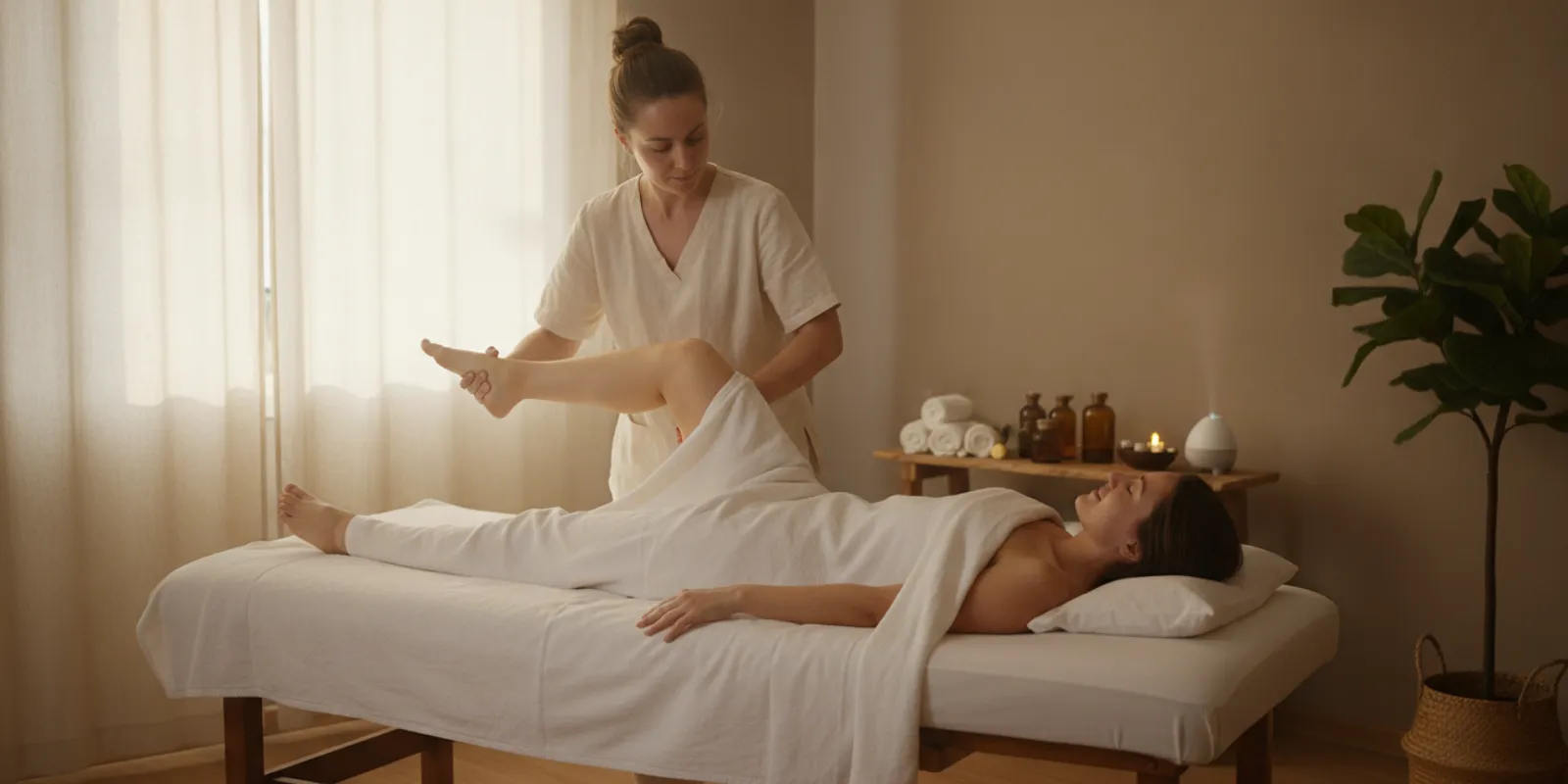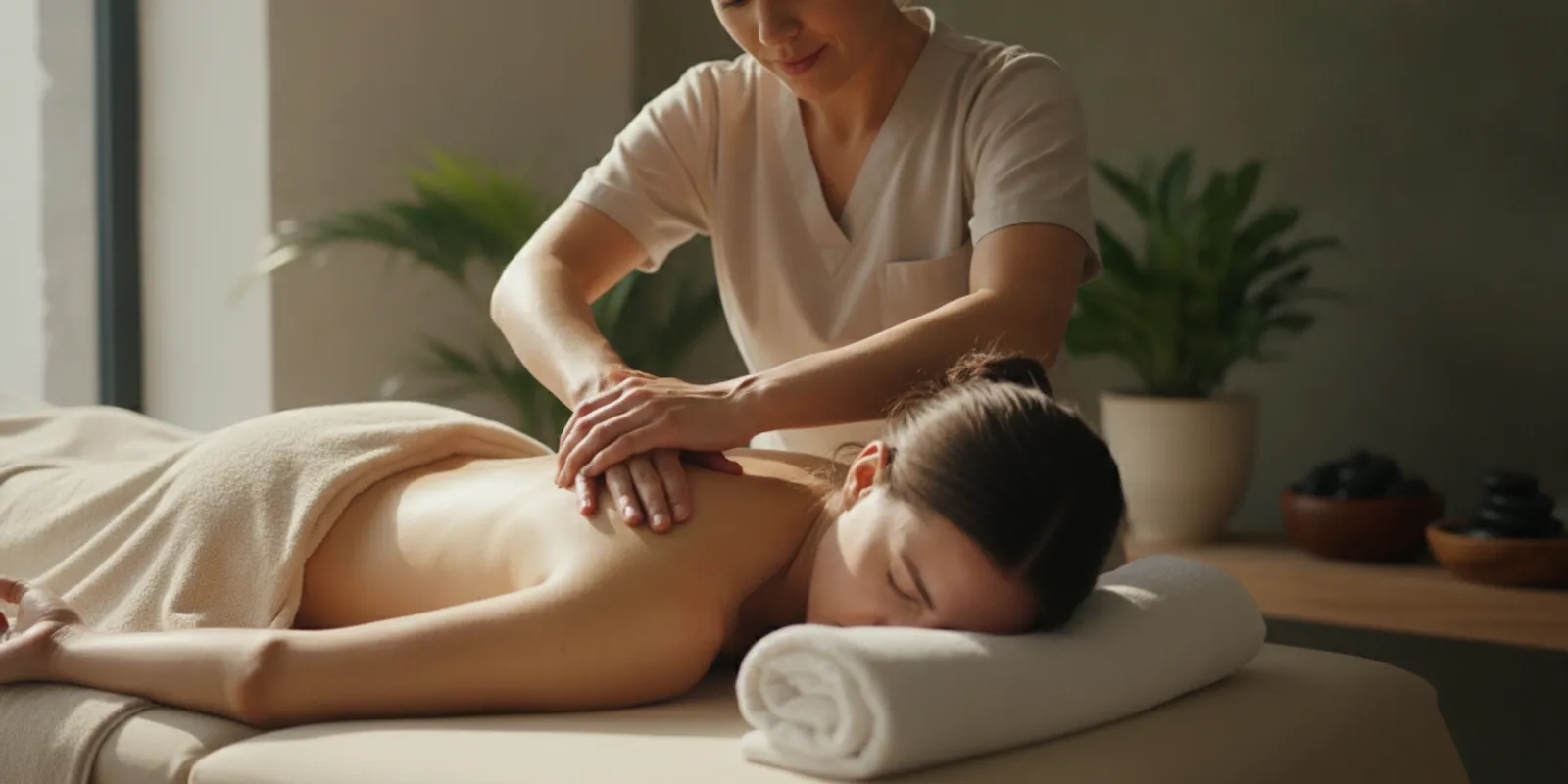
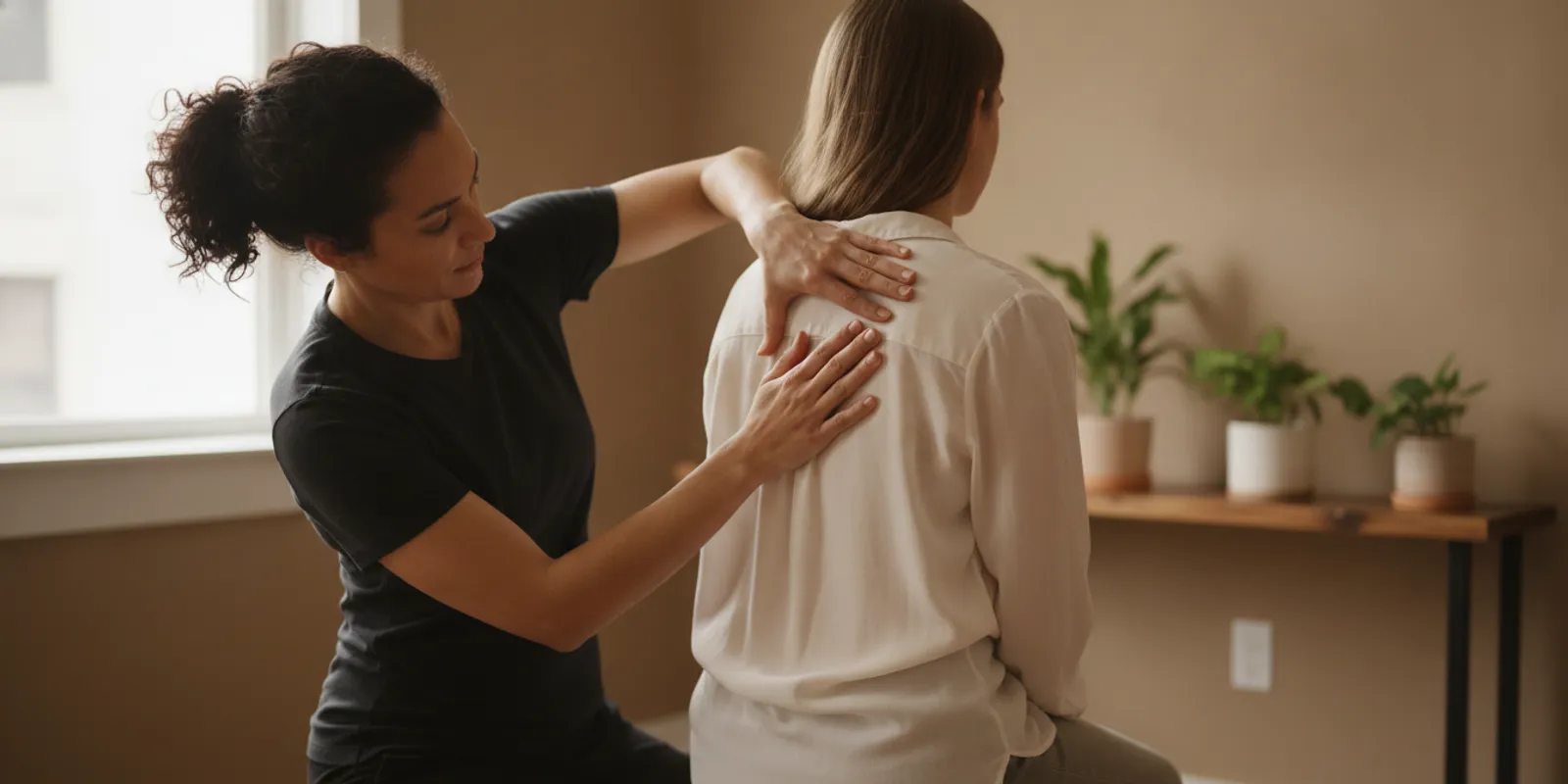
When pain or movement changes after an injury, it is natural to look for ways to feel more comfortable and return to everyday activity. Therapeutic massage injury recovery can be one part of a broader plan for some people, but it is not a substitute for medical assessment or rehabilitation. The right next step depends on what happened, how symptoms are changing, and the guidance of your healthcare provider.
Ask about planning a therapeutic massage
What role can massage play in injury recovery?
Massage is hands-on work with soft tissue. Depending on the person and situation, a session may offer a chance to address muscle tension, comfort, or mobility as part of a larger recovery plan. It does not identify the cause of an injury, repair every type of tissue damage, or guarantee a particular recovery timeline.
That distinction matters. A sprain, fracture, nerve problem, and muscle strain are not interchangeable, even if they cause discomfort in a similar area. A massage therapist can work with your preferences and the information you share, but diagnosis and decisions about medical treatment belong with an appropriately qualified healthcare professional. If you are already seeing a clinician or physical therapist, ask how massage could fit alongside their recommendations.
Research on massage and recovery is still specific to the techniques, participants, and outcomes studied. One published paper on deep tissue massage and muscle recovery reported changes in pain, mobility, and functional performance after a combined therapy program; it should not be read as proof that every injury or massage approach will have the same result. A general overview from Cortiva on massage and injury rehabilitation also describes massage as a potential support alongside physical therapy, not a replacement for a complete care plan.
For a closer look at the study and its stated findings, see the published research on deep tissue massage and muscle recovery. A single study cannot settle what is appropriate for your particular injury, so use research as context for a conversation with your care team rather than as a personal treatment recommendation.
When should you seek medical assessment before massage?
When an injury is new, severe, or not clearly understood, get medical advice before booking massage. The same applies when symptoms are worsening, when you have been advised to avoid hands-on treatment, or when you are unsure whether pressure or movement is safe. A clinician can assess the problem and tell you whether massage is appropriate, when to begin, and what areas or techniques to avoid.
Seek urgent medical care for a potentially serious injury or sudden concerning symptoms rather than trying to manage them with massage. Examples include major swelling or deformity, inability to use or bear weight on the affected area, significant numbness or weakness, severe pain after a fall or collision, or symptoms that suggest a medical emergency. This list is not exhaustive. When in doubt, contact a healthcare professional or emergency service for guidance.
Even after a clinician has assessed you, recovery can change. A new symptom, a setback, or a change in your treatment instructions is a reason to pause and check back with the clinician before continuing. Do not stop prescribed care or exercises because a massage feels helpful.
How can you decide whether massage fits your plan?
Start with the care plan you already have. If you have a diagnosis or have spoken with a clinician, ask whether massage is suitable now. Clarify whether there are restrictions on pressure, positioning, movement, or the body area to avoid. If you have not had the injury assessed and the cause is uncertain, make that assessment the priority.
Then consider what you hope a session will support. A useful goal might be to explore whether gentle work feels comfortable around areas of tension, or to support relaxation while you follow a rehabilitation plan. Avoid framing massage as a way to “put something back in place,” heal a fracture, or push through pain. A good plan leaves room to adjust or stop if the work does not feel right.
Different approaches vary in pressure and style. You can compare available massage services and techniques before deciding what to ask about. For instance, deep tissue massage information may help you understand one option, while Ashiatsu massage describes a distinct technique. Neither a technique name nor a description alone determines whether it is appropriate for a healing injury. Discuss your circumstances and comfort preferences first.
It can help to make the decision in stages instead of treating booking as an all-or-nothing choice. First, identify whether you need clinical assessment or clearance. Next, ask whether massage is suitable at this point in recovery and what boundaries apply. Then decide whether the session goal is realistic and whether you feel comfortable communicating those boundaries. If any answer is unclear, waiting and asking a clinician or the studio a question is a reasonable next step; you do not have to decide on a technique before you understand the basic safety considerations.
What should you tell a massage therapist?
Before the session, give a clear, factual account of what you know. You do not need to diagnose yourself or explain the injury in technical terms. Mention when it began, what activity or event preceded it, what symptoms you notice, what has changed, and whether a clinician has assessed it. Share any diagnosis, restrictions, or instructions that affect massage.
- Describe the area and symptoms. Point to the region and explain whether discomfort is constant, comes and goes, or changes with movement.
- Explain the timeline. Say whether this is a recent injury, an ongoing issue, or a flare-up of a problem you have had before.
- Share relevant care guidance. Tell the therapist about clinician advice, physical therapy, medications or other factors that may affect comfort, and any restrictions you were given.
- Set clear boundaries. Identify areas you do not want worked on and say what pressure feels comfortable.
- Speak up during the session. Ask for less pressure, a position change, a pause, or an end to the work at any time.
Be especially clear if the injury involves an area that is still swollen, tender, bruised, or under active treatment. The therapist needs accurate information to have a cautious conversation about whether to proceed, modify the session, or suggest that you check with your clinician first. General safety guidance is not a confirmed studio-specific intake policy; contact the studio directly with questions about its process.
A short written timeline can make that conversation easier, especially if symptoms vary during the day. Before you speak with anyone, consider noting the date or approximate time symptoms began, what movements or activities seem to change them, and whether you have noticed improvement, no change, or worsening. Keep observations neutral: “walking for ten minutes increases the ache” is more useful than trying to label the injury yourself. Include only relevant health details you are comfortable sharing, and bring any written clinician instructions if they clarify restrictions. This preparation helps you ask focused questions without expecting the therapist to determine the diagnosis.
For example, someone whose clinician has assessed a mild strain and recommended a gradual return to activity might ask whether a session can avoid the tender area and stay within their stated precautions. Someone with unexplained pain after a fall should not use massage as a test to see what the injury is; assessment comes first. A person already following a rehabilitation plan can ask whether the clinician has any timing or pressure guidance. These situations call for different choices, which is why clear context matters more than picking a popular technique.
How do massage and other recovery options compare?
There is no single recovery path that fits every injury. The table below is a discussion aid, not a treatment prescription. Your clinician can help you decide which steps are suitable and how they should be sequenced.
| Option | Possible role | Best next question |
|---|---|---|
| Medical assessment | Clarifies the problem, identifies concerns, and guides treatment decisions. | Do I need an exam or imaging, and what should I avoid? |
| Physical therapy or prescribed rehabilitation | Provides individualized movement guidance and a structured plan when recommended. | Which exercises or activity changes are appropriate for me now? |
| Therapeutic massage | May support comfort or address soft-tissue tension for some people as one part of a broader plan. | Is massage appropriate at this stage, and what areas or pressure should be avoided? |
| Self-care within your clinician’s guidance | Helps you follow agreed recommendations between appointments. | What can I safely do at home, and what changes should prompt follow-up? |
These options are not necessarily alternatives. A massage session should not displace urgent assessment, prescribed rehabilitation, or follow-up care. When different providers are involved, share relevant guidance so that your choices are coordinated rather than contradictory.
When comparing options, focus on the question each one is meant to answer. A medical appointment can help clarify what the problem is and what needs attention. Rehabilitation guidance can help you understand how to move or progress activity when that is part of your plan. Massage is a separate hands-on service that may be considered for comfort or soft-tissue tension when appropriate. Home care should follow the instructions you have received, rather than a generic routine borrowed from someone with a different injury.
It may also be useful to ask how a proposed step will be evaluated. For rehabilitation, that might mean reviewing a clinician’s instructions or noticing whether a specific activity becomes easier over time. For massage, consider whether the session itself feels comfortable and whether any change afterward is acceptable to you. These are observations, not proof of healing. If the options appear to conflict, or a new symptom emerges, return to the clinician coordinating your care instead of choosing the most intensive option.
How should you plan a cautious session?
If massage is appropriate, plan for communication and flexibility rather than a fixed outcome. Before booking, ask whether the therapist can discuss your situation and what information to bring. At the start of the appointment, restate the injury timeline, your current symptoms, and any instructions from your healthcare provider. Agree on the areas to avoid, pressure preferences, and a simple way to pause the work.
A session does not have to focus directly on the injured spot. Depending on your care guidance and comfort, you may want to discuss nearby or unrelated areas instead. Do not assume that working more deeply, for longer, or directly on a painful site will produce a better result. Stop and communicate if you experience sharp, spreading, or otherwise concerning discomfort. If symptoms feel worse afterward or change in a way that concerns you, contact your healthcare provider for advice.
Timing is individual. There is no universal number of days to wait after an injury that makes massage safe for everyone. The type and severity of the injury, the stage of healing, and any medical restrictions all matter. Rather than relying on a rule of thumb from someone else’s experience, ask the clinician familiar with your injury whether to wait, what areas to avoid, and whether any precautions should continue after the appointment.
If you have ongoing rehabilitation, consider how the session fits around that work. Tell your therapist if you have an upcoming clinical appointment or prescribed exercise plan, and do not change the plan to accommodate massage without checking with the clinician who recommended it. If more than one professional is involved in your care, you can ask what information would be useful to share across appointments. The goal is not to add steps for their own sake, but to avoid conflicting advice and keep your choices aligned with the needs of your injury.
Think about the practical details, too. If you are visiting downtown, NOLA Bliss provides information about free parking for a downtown massage and its location near the New Orleans Convention Center. If your main concern is the neck or back, the back and neck massage guide offers additional context for what to discuss. You can also learn more about the studio on its about page.
Before the appointment, leave yourself enough time to describe your needs without feeling rushed. Think through practical preferences such as positioning, whether a certain movement is difficult, and how you will signal that you want the work adjusted. You can agree on a simple check-in, such as asking the therapist to pause before changing pressure or position. You are free to ask for a change at any point; you do not need to wait until the session ends to mention that something feels uncomfortable.
Afterward, avoid making a major activity decision based only on how you feel immediately. Follow your clinician’s guidance about activity and use your usual care plan for deciding when to resume or increase movement. If you have a rehabilitation appointment soon, you can describe the session and any symptoms that followed. The information may help your care team understand your experience, but it does not replace their assessment or alter instructions unless they advise you to do so.
How can you judge whether the approach is working for you?
Set modest, personal markers instead of expecting a specific result. You might note whether the session felt comfortable, whether ordinary movement feels different, and whether any change lasts or is followed by increased symptoms. A brief note after an appointment can help you describe your experience accurately to a clinician or therapist.
Keep the notes simple and comparable. You might record the date, the general areas addressed, how comfortable the pressure felt, and any change you noticed in an ordinary task that matters to you. Avoid repeatedly testing a painful movement or increasing activity to see whether the injury is fixed. If you are tracking symptoms for a clinician, use the method they recommend. A small, consistent record is more useful than trying to remember every detail later.
Do not use temporary comfort as proof that an injury has healed or that you can immediately resume strenuous activity. Follow any return-to-activity plan from your healthcare provider. If massage does not feel helpful, if it aggravates symptoms, or if you are uncertain about changes, pause further sessions and ask the appropriate clinician what to do next.
Frequently asked questions about therapeutic massage and injury recovery
Can massage heal an injury?
Massage is not a guaranteed way to heal an injury and cannot replace diagnosis or medical treatment. It may be considered as a supportive option for some people, if appropriate to their condition and care plan.
Should I book massage for a new injury?
If the injury is new, severe, or has not been assessed, seek medical guidance first. A clinician can advise whether massage is safe and when it may fit into recovery.
Is deep tissue massage better for recovery?
Not automatically. A technique with firmer pressure is not necessarily more effective or suitable, particularly when an area is healing or sensitive. Ask about technique and pressure only after clarifying any medical restrictions.
What if my symptoms worsen after a session?
Pause further massage and contact a healthcare professional if symptoms worsen or concern you. Seek urgent care for severe or sudden symptoms rather than waiting for another appointment.
What is a sensible next step?
If a clinician has cleared massage or you want to ask whether it may fit your situation, share the relevant details and ask questions before selecting a technique. NOLA Bliss Massage offers therapeutic massage services in downtown New Orleans; use the contact page to ask about your next step.
Contact the studio with your questions
Careful communication, realistic expectations, and guidance from the right healthcare professional can help you make a more informed decision about massage during recovery.