
Sore hips and lower back strain should not define your daily pregnancy experience. Expert therapeutic bodywork offers a safe way to ease these physical pains and reduce stress during this transition.
At its core, what is prenatal massage is a specialized therapeutic treatment designed to help ease the unique physical and emotional discomforts that arise throughout your pregnancy. To ensure complete safety and guest comfort, this gentle bodywork always involves specialized side-lying positioning with support cushions to keep pressure off your abdomen and major blood vessels. By soothing persistent muscle aches, reducing fluid swelling, and easing pregnancy insomnia, this professional bodywork helps you manage daily physical changes as your journey progresses into each trimester. Grounded in clinical research from the American Pregnancy Association, these professional sessions also alter stress hormones to safely reduce maternal anxiety and promote deep, restorative mental relaxation.
If you are considering this care, you likely want to know how the sessions work and what to expect at our Downtown New Orleans studio. Understanding the details of What Is Prenatal Massage? helps you choose the right options for your body and your baby. The path begins with:
Book your prenatal massage in New Orleans today
What Is Prenatal Massage?
If you are expecting, you may wonder: what is prenatal massage, and is it safe for you? This custom care helps ease the physical and mental aches of pregnancy. At NOLA Bliss Massage, our prenatal massage services help pregnant guests find deep relief in a warm, safe space.
Custom Bodywork for Pregnancy
Unlike a standard session, this bodywork meets the unique needs of your changing shape. The main goal of a session is to ease the physical and mental aches that often come with pregnancy. Our trained team adapts each visit to your needs. This makes the therapy an inclusive care choice that welcomes all pregnant guests for deep relief.
Many guests ask how this therapy differs from a standard deep tissue session. A key difference is the light to medium pressure used to avoid sensitive spots and keep your body safe. Our therapists also use slow, sweeping strokes that boost blood flow and ease tension without causing stress to your joints. This makes the session both relaxing and helpful for pain relief.
Safe Side-Lying Positions
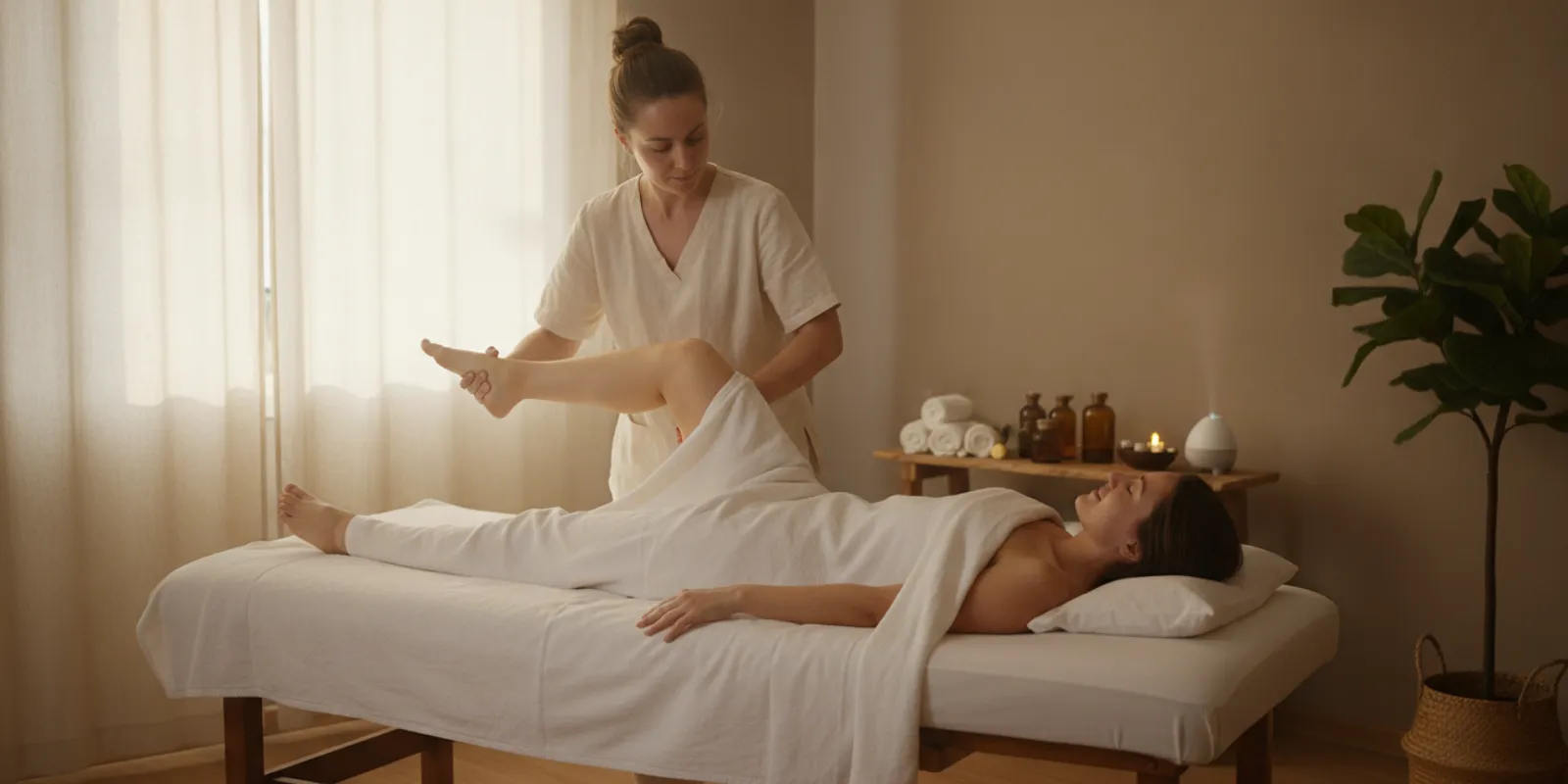
Safety is the most important part of pregnancy bodywork, so you will not lie flat on your back or stomach. Instead, the session is done with you in a side-lying position to keep you safe and at ease. This side-lying position is the standard for safety because it keeps your spine aligned and lets you relax. We use special cushions to support your hips, knees, and belly.
Session Length and Medical Advice
Your visit does not have to be long to be helpful. A typical prenatal massage session will last between 15 and 60 minutes based on your needs. For most guests, a 50-minute or 60-minute session is perfect to address sore spots while giving you time for deep rest. This gives our trained team enough time to work on areas like your lower back, hips, and feet.
Before you schedule your first visit, we always suggest that you talk with your doctor or midwife. This is very important if you have any high-risk conditions or health concerns. Once you have their okay, you can safely explore options for prenatal massage in New Orleans to support your health. Our local studio is ready to give the safe, expert care you need during this special time.
What Happens During a Prenatal Massage?
To truly see what is prenatal massage, it helps to look at how a session unfolds. At NOLA Bliss Massage, we plan each step to support the safety and comfort of our pregnant guests. We focus on therapeutic care to ease your aches and pains in a quiet, warm space. Our team is here to make sure you feel safe and supported.
Initial consultation and comfort check
Before your session starts, you will meet with your therapist for a brief intake. Your therapist will review your health history and confirm that you have clearance from your doctor to receive care. Since pregnancy brings fast body changes, we discuss your current comfort levels, any areas of pain, and your goals. This planning allows us to adapt our work to your exact needs. Our relaxing space makes your prenatal massage services much more effective. It also helps you relax your mind so you can get the most out of your time with us.
The step-by-step prenatal session
Once you are ready, you will move to a private, quiet room. Our trained therapists use safe, gentle methods for each trimester of pregnancy. We focus on relaxing your muscles without putting heavy pressure on sensitive spots. This approach ensures that both you and your baby remain safe throughout the session.
- Consultation and setup. You will discuss your needs with your therapist and then undress to your comfort level. The therapist will leave the room so you can lie on the table.
- Side-lying position. Lying on your side is the safest and most comfortable way to get a prenatal massage. This side-lying position lets you relax fully while keeping your spine in line.
- Support cushion placement. Your therapist will place soft cushions under your head, tummy, and knees. This proper setup with side-lying cushions keeps pressure off your main blood vessels so your blood flows well.
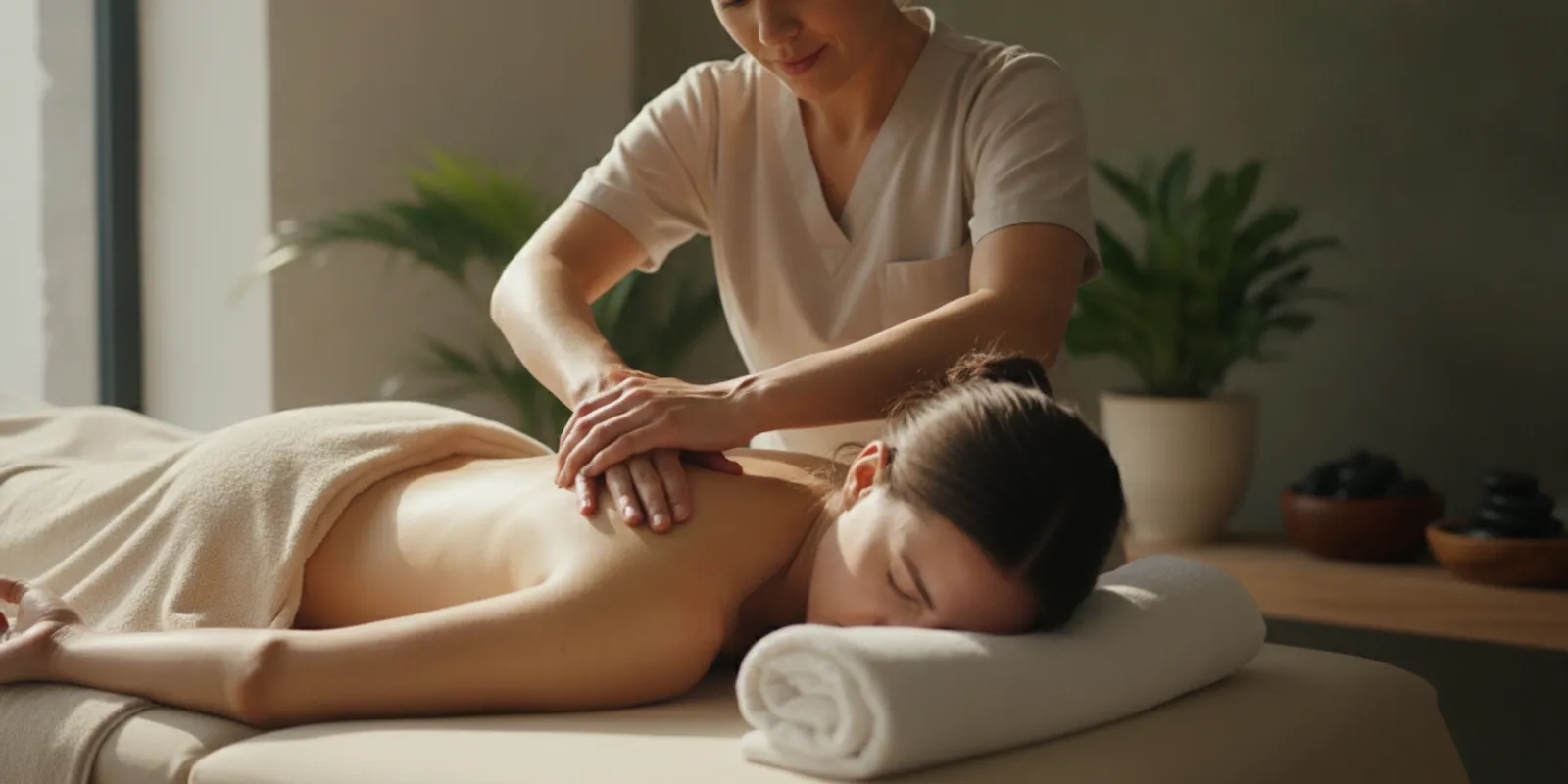
- Customized therapeutic strokes. Your therapist will use gentle movements on your back, hips, and legs. These safe methods avoid deep pressure on sensitive areas to keep you and your baby safe.
- Session duration. Your therapist will check on your comfort and adjust the air or stroke pressure. This care continues for your entire session, which usually lasts from 15 to 60 minutes.
Post-massage recovery and rest
After your session, taking time to rest and drink water is a key part of your recovery. Drinking plenty of water helps support your circulation and eases muscle tension. Many of our guests find that regular sessions help them manage ongoing physical changes as they progress through pregnancy. You can learn more about how this therapeutic care supports your body in our benefits of prenatal massage guide. We want you to feel the good results long after you leave our studio.
Key Benefits of Prenatal Massage for Expectant Parents
When you look at the benefits of prenatal massage, you might ask what is prenatal massage and how it can help you. You will find that this gentle care does far more than just help you relax. It serves as a focused, healing tool to support your body and mind during a time of major change. For many pregnant guests, this care is a key part of their wellness routine.
Emotional health and stress relief
Pregnancy brings deep body shifts that can impact your mood and stress levels. Research shows that prenatal massage may help reduce anxiety and lower symptoms of sadness. A review of trials found strong support for using massage to manage anxiety and depression in pregnant mothers. This hands-on care also helps change hormone levels linked to stress and calm, which can lower your overall tension.
These mental benefits can have a direct, positive effect on childbirth outcomes. A study in PubMed Central found that depressed mothers who got massage therapy had fewer problems. They saw seventy-five percent fewer preterm births and eighty percent fewer low birthweight babies. Along with reducing these risks, this soothing care builds your self-trust as you plan to give birth.
Physical pain and swelling relief
As your body grows and shifts, your muscles and joints must bear new loads. Many pregnant guests experience back pain, hip soreness, and tight shoulders during these months. Gentle healing strokes help soothe these sore spots and reduce the physical strain of carrying a baby. At our studio, we also offer special care like Ashiatsu barefoot massage for our regular guests. But our prenatal sessions focus purely on gentle, pregnancy-safe table methods.
These targeted methods can help with many of the most common body pains during pregnancy. A prenatal session can address:
- Deep lower back pain and hip tightness from posture shifts.
- Joint pain and muscle aches caused by carrying extra weight.
- Fluid buildup and swelling in your ankles, feet, and hands.
Swelling, or edema, often occurs in your hands, ankles, and feet because of increased fluid volume. Special prenatal massage methods can safely address this pooling of fluid. By applying light, sweeping strokes toward your heart, your therapist can help clear this fluid and bring comfort to your limbs. This relief is most helpful during the later stages of your pregnancy.
Better sleep and circulation
Improved blood flow is another key reason to consider this care. Better blood flow helps move oxygen and vital nutrients through your body and to your baby. When your blood flows more easily, your body can flush waste products more quickly, which reduces fatigue and helps you feel more active. It also supports your body as it adapts to ongoing posture shifts.
This body comfort helps you get better rest at night. Many pregnant guests struggle to sleep due to back aches and stress. By easing these aches and calming your nervous system, a prenatal session can help you fall asleep more easily and sleep more deeply. Better sleep is a vital part of staying healthy and strong throughout your pregnancy.
Prenatal Massage Safety: When It’s Right for You
When you are expecting, you want to make safe choices for your body and your baby. If you are wondering about prenatal massage services, you are asking the right question. While this therapy is safe for most pregnant guests, you must follow basic safety rules to protect your health.
Clearance from your healthcare provider
Before you schedule your first session, you should always speak with your doctor. It is vital to consult your healthcare provider before you start a new massage routine. Your doctor knows your body and your medical history best. They can confirm if massage is safe for your specific pregnancy.
While massage is safe for most people, some pregnancy issues need extra caution. If you have conditions like high blood pressure, gestational diabetes, or preeclampsia, you must take extra care. In these cases, you should only get a massage after your doctor gives you clear approval. Your provider may suggest waiting until you pass your first trimester to start. Most therapists prefer to wait until the second trimester.
Working with a trained therapist
The training of your therapist is a key part of your safety. You must ensure your massage therapist is certified in prenatal massage. Therapists who have this training know how to adjust their methods for your comfort. They understand which parts of your body need gentle care.
At our studio, our experienced New Orleans massage therapists specialize in safe care. They know how your body changes during each stage of pregnancy. They use light, soothing strokes to help you relax without placing your body at risk.
Safety positioning and modified techniques
A key safety rule during prenatal massage is the way you lie on the table. You should never lie flat on your back after your first trimester. Lying on your back can press on major blood vessels and reduce blood flow to your uterus. Instead, therapists use side-lying positioning with special cushions to support your body.
This safe posture keeps your spine aligned and protects your blood flow. To protect your body, therapists modify their techniques and avoid deep pressure on sensitive areas. For example, they do not perform deep tissue work on your legs, where blood clots can form during pregnancy. They use light strokes to ease aches safely.
Research shows that this type of careful therapeutic work is highly helpful. Studies on PubMed Central show that prenatal massage can reduce stress. It also leads to fewer complications, such as lower prematurity rates for depressed mothers. By choosing a trained therapist, you can enjoy these benefits with peace of mind.
Prenatal Massage by Trimester: Timing and What Changes
Your body goes through deep changes during each phase of pregnancy. Working with expert New Orleans therapists for consistent care helps you manage these ongoing body changes. Clinical research in national archives shows that massage is linked to fewer pregnancy problems, including lower rates of early birth. This makes therapeutic care a helpful part of your wellness plan.
First trimester and early safety
During the first three months of growth, your body is setting up the pregnancy. Some women feel morning sickness or deep fatigue during this time.
Many therapists suggest waiting until your second trimester to start prenatal massage services. This is because the risk of early loss is highest during these weeks. But you can often start earlier if you get clearance from your doctor. A doctor can confirm if massage is safe for you.
Once you have doctor clearance, tell your therapist right away. They will use very light touch and avoid deep pressure on tender spots. Your therapist will also avoid deep pressure on spots that affect blood flow to your uterus. Keeping the session simple is the key goal during these early weeks.
Second trimester and body changes
The second trimester starts at week fourteen, when body changes speed up as your belly grows. You may feel new aches in your lower back, hips, and joints. Your energy levels often return, making this a great time to focus on your health. Regular sessions during these weeks help you stay active and feel your best.
These aches often come from quick posture changes. As your weight shifts, your back muscles work harder to keep you upright. Steady care during this stage helps you manage these ongoing changes.
The therapist will adapt each session as your belly grows. You will lie safe and relaxed on your side, supported by soft pillows. Support cushions keep your spine aligned to take weight off your joints.
Third trimester and pressure relief
The third trimester brings the most intense body stress. Your baby is now much heavier, which puts deep pressure on your hips and pelvic area. This extra weight can strain your sciatic nerve, sending sharp pain down your legs. Many guests choose to book a prenatal massage in New Orleans to help ease this late-stage tension.
During these final weeks, the massage focuses on easing pelvic pressure and chronic back pain. Your therapist will use safe, tailored strokes to calm tight hip muscles. They will also use slow, soothing strokes to reduce swelling in your hands and feet. This safe support makes your final weeks much easier to manage while helping you rest better before your due date.
What Is the Difference Between a Prenatal Massage and a Standard Massage?
When you compare these two types of bodywork, you will find major differences in how they are done. Many people ask, what is prenatal massage, and how does it differ from a standard massage? A standard massage is for general relief and muscle recovery. A prenatal massage is a special therapy. Its focus is to soothe the physical and emotional stress of pregnancy. Both styles can help you feel better, but they use very different setups and methods.
Key differences in position and pressure
The first difference is how you lie on the table. In a standard session, you usually lie face down or face up. But for a pregnant guest, lying face down is not safe. Instead, prenatal care is done in a side-lying position. The therapist uses special cushions to support your body. This side-lying setup is the standard for safety. It helps protect major blood vessels and keeps blood flowing well to your uterus.
Pressure is also changed for safety. Standard sessions often use deep, heavy pressure to break up muscle knots. In contrast, prenatal sessions use lighter pressure. Therapists avoid deep pressure on sensitive areas, like the legs or ankles, to protect your health.
Therapeutic focus and therapist training
The core focus of standard bodywork is to relieve everyday tension or sports injuries. A prenatal session has a different goal. Its main focus is to relieve the physical and emotional stress of pregnancy. Expectant mothers often deal with unique challenges. These include lower back pain, sciatica, and swelling in the feet.
Because of these unique needs, prenatal therapists need special training. While standard massage needs a general license, prenatal care demands a deeper understanding of pregnancy safety. This training ensures your therapist knows how to work around sensitive areas.
Clinical research published in medical databases shows that safe, specialized care can even reduce prenatal complications. Standard sessions also tend to last longer, often up to 90 minutes. However, experts at the Cleveland Clinic suggest that prenatal sessions should stay between 15 and 60 minutes. This range is best to keep the mother comfortable.
| Service Aspect | Prenatal Massage. | Standard Massage. |
|---|---|---|
| Body position. | Side-lying supported by cushions. | Face-down or face-up on table. |
| Pressure level. | Light to medium, avoiding deep pressure. | Deep tissue or light pressure based on choice. |
| Therapist training. | Requires specialized training in pregnancy care. | Requires general massage certification. |
| Therapeutic focus. | Relieving pregnancy aches and fluid swelling. | General muscle relief and stress reduction. |
| Safety rules. | Doctor clearance and trimester awareness needed. | Standard intake and general health check. |
If you are expecting, you should discuss your options with your doctor first. When you are ready, you can talk about a custom bodywork plan by checking our prenatal massage services. Our skilled team is here to help you stay comfortable during your pregnancy.
Reserve your prenatal massage session now
Frequently Asked Questions
When should I start prenatal massages?
Most experts suggest that you wait until your second trimester to start. This is because the first three months carry a higher risk. You should always talk to your doctor or ob-gyn first. Guidance on the BabyCenter website highlights that a doctor must approve any early care. Once you pass twelve weeks, regular sessions help you manage the physical changes of pregnancy.
Is prenatal massage safe during the first trimester?
Many massage therapists do not offer care during the first twelve weeks of pregnancy. The risk of miscarriage is highest during this early phase. While some studios will work with you early on, you must get clearance from your doctor first. According to the American Pregnancy Association, you should always check with your obstetrician before your first session. Your safety and your baby’s health are the main priority.
What is the difference between a prenatal massage and a normal massage?
A normal session often has you lie flat on your stomach or back. For prenatal care, you lie on your side with soft cushions for support. This keeps pressure off your belly and large blood vessels. Also, deep work is not used on sensitive spots. As noted on NOLA Bliss Massage, specialized therapists change their touch to keep you and your baby safe throughout the session.
What not to do in prenatal massage?
Your therapist should never apply deep pressure to your legs or your lower back. Very deep strokes can be unsafe during pregnancy. Also, you must not lie flat on your back after your first trimester. This position can block blood flow to your womb. If you have conditions like high blood pressure, consult your doctor before you book a session.
Ready to book your prenatal massage in New Orleans?
When you let pregnancy muscle tension build up week after week, it puts intense and constant pressure on your lower back, hips, and pelvic muscles. Ignoring these physical aches now can lead to chronic sleep loss, severe nerve discomfort, and added stress that impacts both you and your growing baby. By starting therapeutic prenatal bodywork today, you can quickly ease those tight spots, boost your healthy blood flow, and sleep much better tonight. We provide a quiet, welcoming space in the Warehouse District and offer free parking to make your visit completely stress-free.
Ready to feel better? Our experienced New Orleans massage therapists are ready to help you. Please book your session online to schedule a prenatal massage.