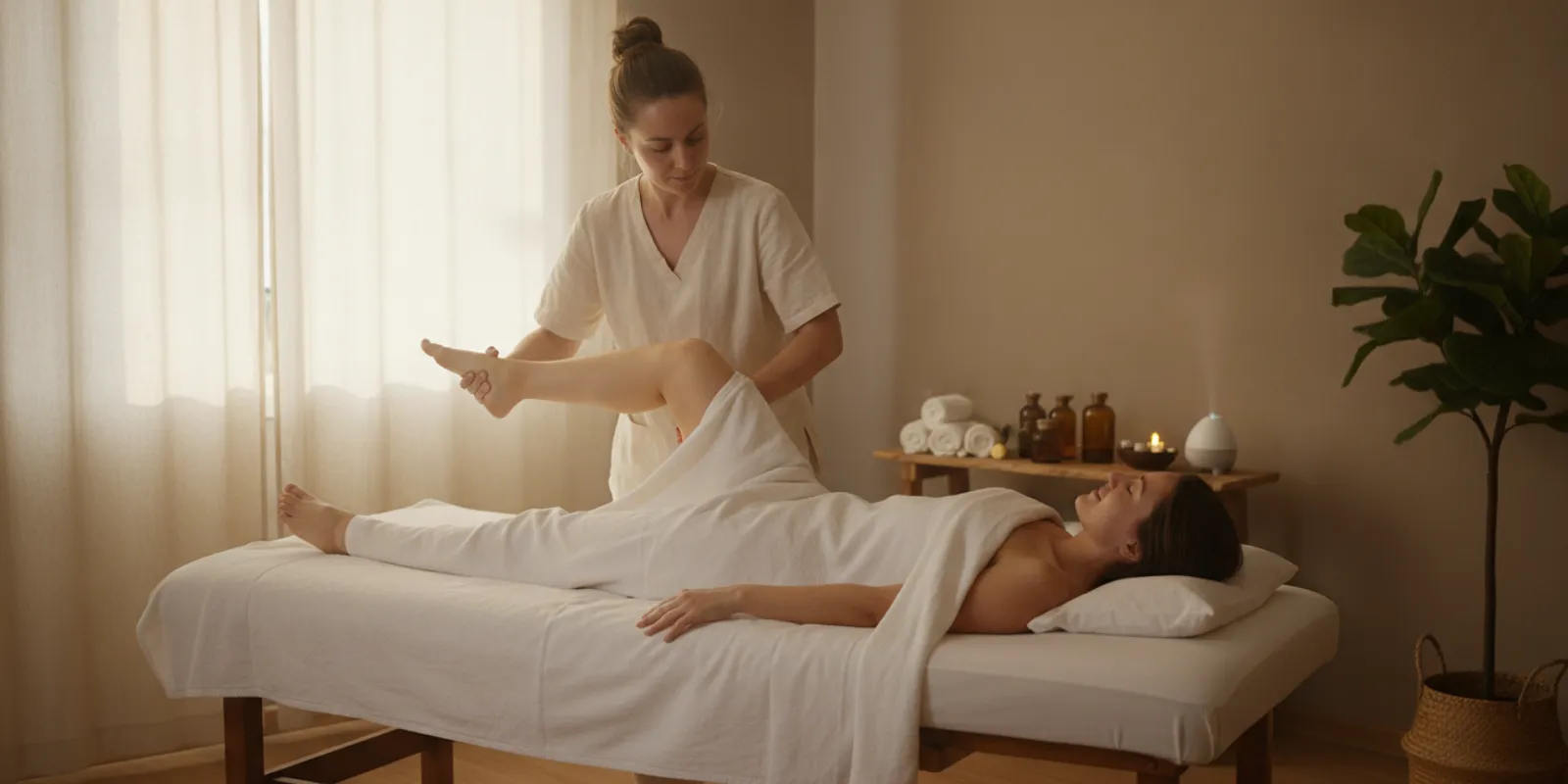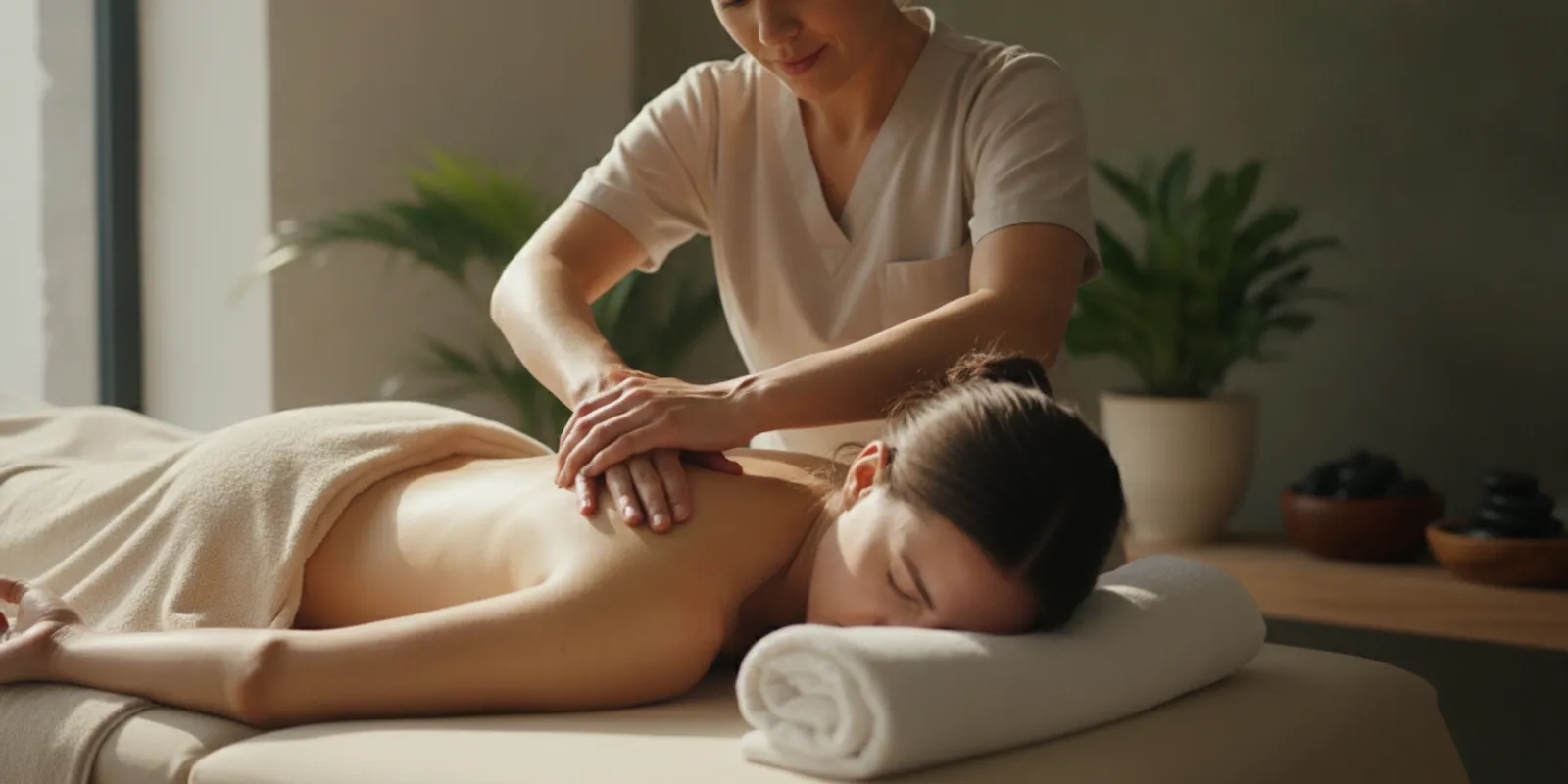

A long ride through New Orleans can leave your legs feeling heavy, especially when heat, hills, mileage, or a packed travel schedule add up. The right recovery plan starts with realistic expectations: massage can support comfort and help you talk through areas of stiffness. But it is not a substitute for medical evaluation or a guarantee of faster performance.
A cycling recovery massage new orleans plan works best when timing, pressure, and treatment focus are matched to your ride, current tolerance, and goals. NOLA Bliss Massage offers individualized deep tissue and Swedish massage options in the Warehouse District, close to the French Quarter and Convention Center. The location serves residents and visitors who want practical recovery support.
Before choosing a session, it helps to understand what cyclists can reasonably expect, how to communicate post-ride soreness, and when a symptom calls for healthcare guidance instead. Start with the boundaries of cycling-focused recovery massage in New Orleans.
What Should Cyclists Know About Cycling Recovery Massage in New Orleans?
Cycling recovery massage in New Orleans is best understood as a planning conversation around your ride, your current muscle tension, and how your body tolerates pressure. It is not a promise of faster performance or a substitute for evaluation when pain may signal an injury. For a local rider, that may mean scheduling therapeutic support after a demanding training block. For a visitor, it may mean finding a convenient appointment after a long route through the city.
What can a session address?
NOLA Bliss describes its clinical-services focus as including pre- and post-event therapeutic support, sports-related issues, repetitive strain, and muscle recovery optimization. These are treatment areas, not guaranteed outcomes. A therapist can discuss what you noticed during or after your ride, including general tightness or discomfort, then match technique and pressure to your needs and tolerance.
The studio offers deep tissue massage as a therapeutic option for muscle tension, with pressure customized to the client. Swedish massage is also part of the core service menu. That gives cyclists room to discuss whether they want a lighter, more general approach or a more focused conversation about areas that feel overworked. You can explore New Orleans massage services before booking, but the service information does not document a dedicated cycling-specific protocol.
What should cyclists not expect?
Massage should not be framed as diagnosing a cycling injury, repairing damaged tissue, clearing fatigue on demand, or guaranteeing a stronger next ride. It also should not replace medical guidance for sharp, severe, persistent, or concerning symptoms. Be direct about your goals and recent training, and allow the therapist to work within your comfort level.
Location can make this planning easier for riders and visitors. NOLA Bliss is in the Warehouse District, within walking distance of the French Quarter and adjacent to the Convention Center, with nearby downtown hotels. The knowledge base also lists free downtown parking and same-day appointment availability as conveniences. The next question is what the available evidence actually supports, and where its limits matter for cycling recovery.
Does Massage Help After Cycling? A Clear Evidence-Based Answer
Yes, massage may help some cyclists feel less stiff or sore after a ride, but the evidence does not support treating it as a performance shortcut. A systematic review of 29 studies involving 1,012 participants found small, statistically significant improvements in flexibility and delayed onset muscle soreness (DOMS). It found no evidence of improved strength, sprinting, endurance, jumping, or fatigue measures. Read the full systematic review for its methods and limitations.
That distinction matters when planning cycling recovery massage in New Orleans. The most realistic goal is comfort and movement quality, not guaranteed faster recovery or a stronger next ride. Massage can be one part of a broader routine that also includes sleep, hydration, appropriate nutrition, and a gradual return to activity. NOLA Bliss’s post-workout massage recovery guide offers related planning context without replacing individualized care.
Research focused specifically on cycling is mixed. One controlled study compared 20 minutes of leg massage with passive rest after high-intensity cycling and found no measurable difference in blood lactate or subsequent maximum and mean power. That result does not mean massage has no value. It means lactate clearance and immediate performance are not reliable promises to attach to a session.
Other findings are more encouraging but still require restraint. An Ochsner Journal review reported massage-associated relief from DOMS symptoms in four of seven studies, while only two of ten studies evaluating postexercise function showed improved muscle function. The same review described moderate evidence that massage may support muscle recovery, while cautioning that the research is not uniform. Review the Ochsner evidence summary.
In practical terms, schedule a session for how your body feels and what you want to address, such as temporary tightness or post-ride soreness. Do not use massage to push through sharp pain, significant swelling, or symptoms that suggest an injury. Those situations call for healthcare guidance first.
When Should You Schedule a Massage Around a Ride?
There is no single best appointment time for every cyclist. Use the ride’s intensity, your usual response to massage, and any symptoms you notice to choose a conservative window. Research on cycling recovery is mixed: one controlled study found no measurable physiological recovery advantage from leg massage over passive rest. While another small study compared different recovery approaches after simulated cycling efforts. Read timing as a planning guide, not a performance guarantee.
-
Before the ride: leave room for a normal response
If you are booking before a long or demanding ride, avoid treating a massage as a last-minute performance intervention. Schedule early enough to notice how your body responds, especially if deeper pressure is unfamiliar. A lighter, comfort-focused session may be easier to plan close to an event than intense work. But the appropriate choice depends on your tolerance and conversation with the therapist. Do not book immediately before a ride if you are already dealing with sharp pain, unusual weakness, or another symptom that needs healthcare guidance.
-
Same day: prioritize comfort and recovery basics
A same-day appointment can make sense when the goal is relaxation or relief from ordinary post-ride tightness. But it is not a guaranteed way to clear lactate or restore cycling performance. One cycling study found no difference in blood lactate or subsequent maximum and mean power between massage and passive recovery (study details). If you schedule soon after riding, allow time to cool down, rehydrate, eat as appropriate, and explain the ride’s distance and intensity before treatment.
-
Next day: reassess before choosing pressure
The following day may offer a practical window for people who want to address perceived stiffness or soreness after they have seen how they feel. Evidence from a small study of trained cyclists found that combined active recovery and massage performed differently from massage alone during a short. Simulated effort, so massage should be viewed as one part of a broader recovery plan, not a replacement for movement or rest (cycling recovery study). Share whether symptoms are improving, unchanged, or worsening, and let that guide the session’s focus.
-
For visitors: plan around your itinerary
If you are visiting New Orleans, choose an appointment that does not compete with your longest ride, airport transfer, or a packed evening. A rest period afterward can make the visit more comfortable. For broader guidance on combining bodywork with exercise, see this post-workout massage recovery article. Pause and seek medical advice rather than scheduling massage over injured tissue; a review cautions that immediate massage of tissue damaged by training may cause further damage (Ochsner Journal references).
How Can You Choose Pressure and Focus for Cycling Recovery?
Start by describing what you notice, where you feel it, and what you want from the session. A post-ride massage conversation can cover general leg fatigue, stiffness, areas that feel overworked, and how much pressure feels appropriate today. That information helps shape the session without assuming that every cyclist needs the same technique or intensity.
Pressure is a communication choice, not a test of toughness. More pressure is not automatically more effective, especially when muscles feel unusually tender after a demanding ride. Research on a small group of sports-active women found that 10 minutes of petrissage during a cycling recovery period was associated with greater improvements in measured stiffness and perceived lower-limb fatigue than the control condition. Blood lactate did not differ between conditions, however, and the study was small, so it does not establish a universal recovery prescription. Read the study summary.
| Option | When it may fit the conversation | What to communicate |
|---|---|---|
| Lighter focus | When your legs feel sensitive, generally fatigued, or you want a calmer session after a long ride. | Tell the therapist which areas feel tender and whether you prefer broad, comfortable work. |
| Moderate focus | When you notice manageable stiffness or tension and want attention on selected muscle groups. | Identify the areas that feel most relevant, then give feedback as pressure changes. |
| Deeper focus | When you are seeking more targeted work for persistent-feeling tension and can comfortably tolerate it. | Discuss boundaries before starting. Pressure should remain within your tolerance, not become a challenge to endure. |
At NOLA Bliss, technique and pressure are matched to individual needs and tolerance. You can review the deep tissue massage in New Orleans information if deeper, therapeutic work is part of your discussion. A service description is not a diagnosis or a promise of faster performance. Speak up during the session if pressure feels sharp, excessive, or different from what you agreed to.
What Should Visitors Plan Before Booking in Downtown New Orleans?
For visitors, location can make recovery care easier to fit around a ride, convention, or day of exploring. NOLA Bliss Massage is in the Warehouse District of Downtown New Orleans, within walking distance of the French Quarter and adjacent to the Convention Center. Downtown hotels are nearby, so the studio may be a practical option for guests staying in the central city.
Before booking, check your schedule and decide what you want from the session. A cyclist may want to discuss general post-ride tightness, areas that feel overworked, or how much pressure feels appropriate. NOLA Bliss matches technique and pressure to each client’s needs and tolerance rather than treating every person or activity the same way. You can review the available New Orleans massage services before choosing an appointment.
What should you know about parking and appointment timing?
Free downtown parking is listed as one of the studio’s convenience advantages. Confirm the current parking details when you make plans, especially if you are visiting during a busy event or convention. Same-day appointments are also listed as an option, but availability can change. If your ride or travel schedule is fixed, booking ahead is the more reliable approach. If you are already downtown and looking for a last-minute session, contact the studio or check the booking calendar rather than assuming an opening is available.
Bring enough context to make the appointment useful: when you rode, what areas feel tense. Whether you have another demanding activity planned, and whether any movement causes sharp or unusual pain. A massage can be considered for ordinary tightness or soreness, but it should not be used to push through a suspected injury. If symptoms are severe, persistent, or sharp, pause the booking plan and seek appropriate healthcare guidance first. That boundary matters more than convenience when deciding whether massage is the right next step.
How Can You Tell When Massage Is Not the Right Next Step?
Ordinary post-ride soreness usually feels like a familiar, diffuse ache or stiffness in muscles that worked hard. A massage may be reasonable when you can move comfortably, symptoms are gradually easing, and there was no specific accident or sudden event. Keep the goal modest: comfort and mobility support, not treatment for an injury.
Pause and seek healthcare guidance before booking if pain is sharp, severe, worsening, or persistent, or if it followed a crash, twist, direct impact, or other suspected injury. Also take new swelling, marked bruising, weakness, numbness, unusual warmth, or difficulty bearing weight seriously. These signs do not identify a diagnosis by themselves, but they are good reasons not to ask massage to explain or manage the problem. A qualified healthcare professional can decide what evaluation or treatment is appropriate.
Timing matters, too. A review in the Ochsner Journal cautions that massaging injured tissue immediately after muscle-damaging training may cause further damage. That is different from normal delayed soreness, which may improve with time and gentle movement. If you are unsure which situation you are experiencing, choose caution and ask a clinician rather than testing the area with deeper pressure.
Massage research also supports realistic boundaries. A systematic review found small improvements in flexibility and delayed-onset muscle soreness, but no evidence of direct improvement in strength, sprinting, endurance, or fatigue measures. Read the full sports massage review for the limits of that evidence. In practical terms, cycling recovery massage in New Orleans can be part of a comfort-focused recovery plan when symptoms are familiar and uncomplicated. It should not replace medical care when your body is signaling a possible injury.
How Does NOLA Bliss Help Plan a Therapeutic Session?
NOLA Bliss can help you plan a therapeutic massage around your goals, current comfort level, and tolerance for pressure. That makes the conversation useful for cyclists without requiring a dedicated cycling protocol. You can explain where you feel tight after a ride, how recently you trained. And whether your priority is general relaxation, muscle tension, or support as you return to normal activity.
The therapist can then adjust technique and pressure to your individual needs. A Swedish massage may be a fit when you prefer a lighter, flowing approach. Deep tissue massage is another option when the focus is persistent muscle tension and you are comfortable discussing more targeted pressure. Neither choice is a prescription for an injury, and a therapeutic session should not be presented as a guarantee of faster performance or recovery.
Planning also means being clear about what you want the session to address. Mention the areas that feel most worked after cycling, any movements that are uncomfortable, and whether you have another ride or event scheduled soon. This gives the therapist practical context for choosing an appropriate approach and respecting your tolerance. If symptoms are sharp, severe, persistent, or suggest an injury, pause the massage plan and seek qualified healthcare guidance instead.
For residents and visitors, the location can make scheduling easier. NOLA Bliss is in the Warehouse District of Downtown New Orleans, within walking distance of the French Quarter and next to the Convention Center. The customer information also lists nearby downtown hotels, free downtown parking, and same-day appointment availability as conveniences. Those details may help you fit a session into a travel itinerary or a busy local schedule, though availability should be confirmed when booking.
Review the New Orleans massage services page to compare the available options, then share your cycling context and preferences when you schedule. The goal is a thoughtful, individualized session rather than a one-size-fits-all treatment.
Book a massage appointment at NOLA Bliss
Frequently Asked Questions
Is it okay to get a massage immediately after cycling?
It can be, if the session is comfortable and you are not dealing with sharp pain, swelling, or a suspected injury. After a demanding ride, tell your therapist how hard you rode and where you feel tight or sore. A lighter, tolerance-based approach may be more appropriate than deep pressure immediately after strenuous exercise. Massage can support comfort, but research does not establish it as a way to speed physiological recovery or improve performance.
What should you do after a cycling recovery massage?
Plan a low-demand period afterward rather than another hard ride or intense workout. Move gently, notice how your body responds, and follow any individualized guidance from your therapist. If soreness becomes severe, persists, or is accompanied by concerning symptoms, pause massage and seek appropriate healthcare guidance instead of treating it as routine post-ride soreness.
How far in advance should you book a massage around a ride?
There is no universal schedule that fits every cyclist. For a visitor or local rider, share your ride distance, intensity, next training session, and preferred recovery goal when booking. That information helps shape the timing and pressure conversation. If your ride is an event or long training day, scheduling ahead gives you more control than relying on same-day availability.
Where can cyclists get a massage in New Orleans?
NOLA Bliss Massage is in the Warehouse District, within walking distance of the French Quarter and adjacent to the Convention Center, with nearby downtown hotels. The studio offers deep tissue and Swedish massage, with technique and pressure matched to individual needs and tolerance. Review the New Orleans massage services and book the appointment that fits your itinerary.
Ready to Plan Your Cycling Recovery Massage?
A therapeutic massage can be one practical part of planning time for comfort and recovery around an active New Orleans itinerary. Share your riding schedule, goals, and preferred pressure when you book so the session can be approached thoughtfully. To book a therapeutic massage appointment for cycling recovery planning, schedule your appointment online.