Hot stone therapy can sound appealing when you want warmth and a quieter massage experience, but it is reasonable to have questions before booking. The right choice depends on what you want from the session, how you respond to heat and touch, and what you should discuss with a qualified health professional first.
What does hot stone therapy involve?
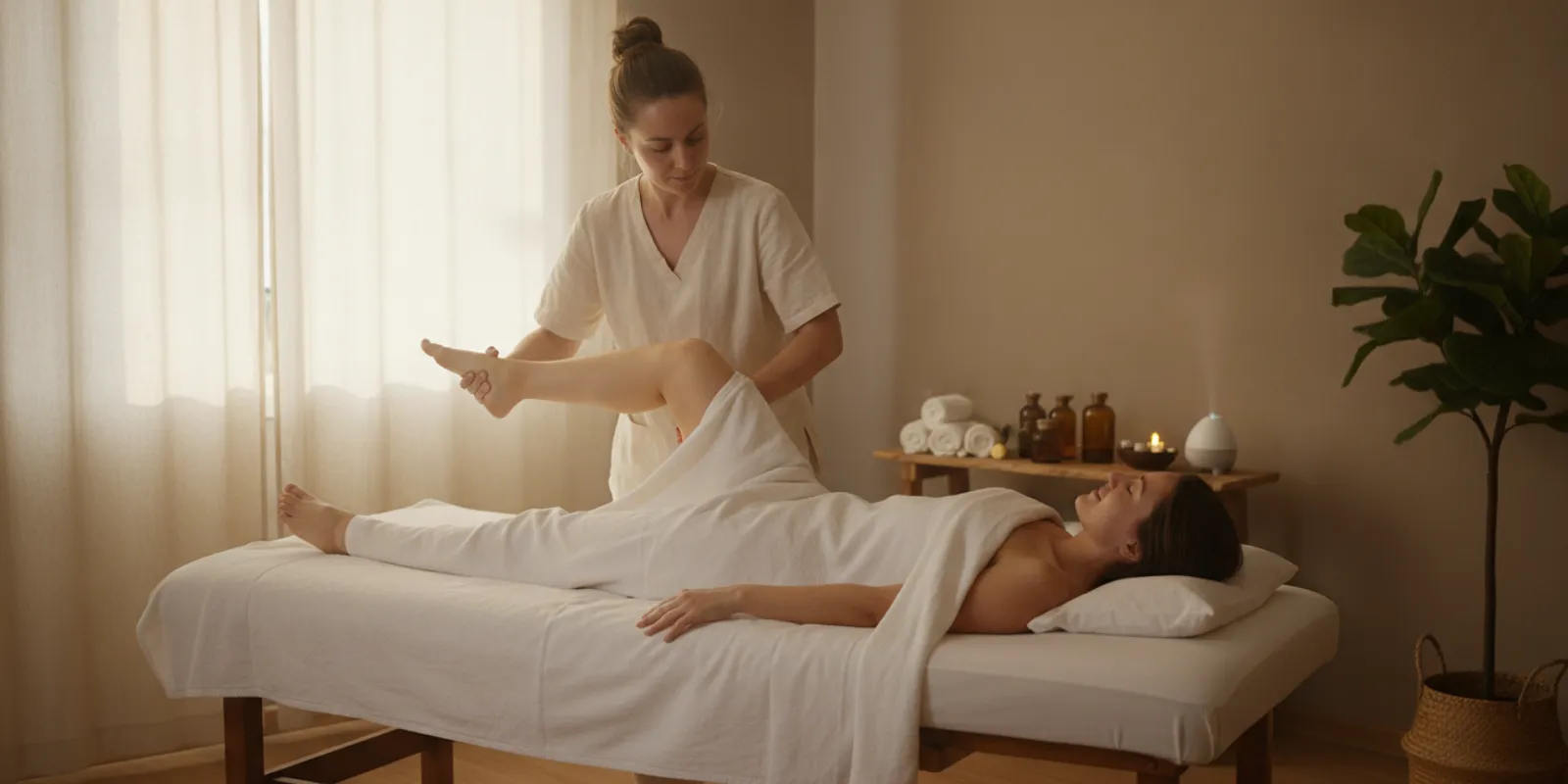
Hot stone therapy is a massage approach that incorporates warmed stones. The stones may be used as part of the therapist’s hands-on work or placed on selected areas, depending on the session and the practitioner’s approach. The experience is not simply “more heat”: comfort, communication, and the way the technique fits your goals all matter.
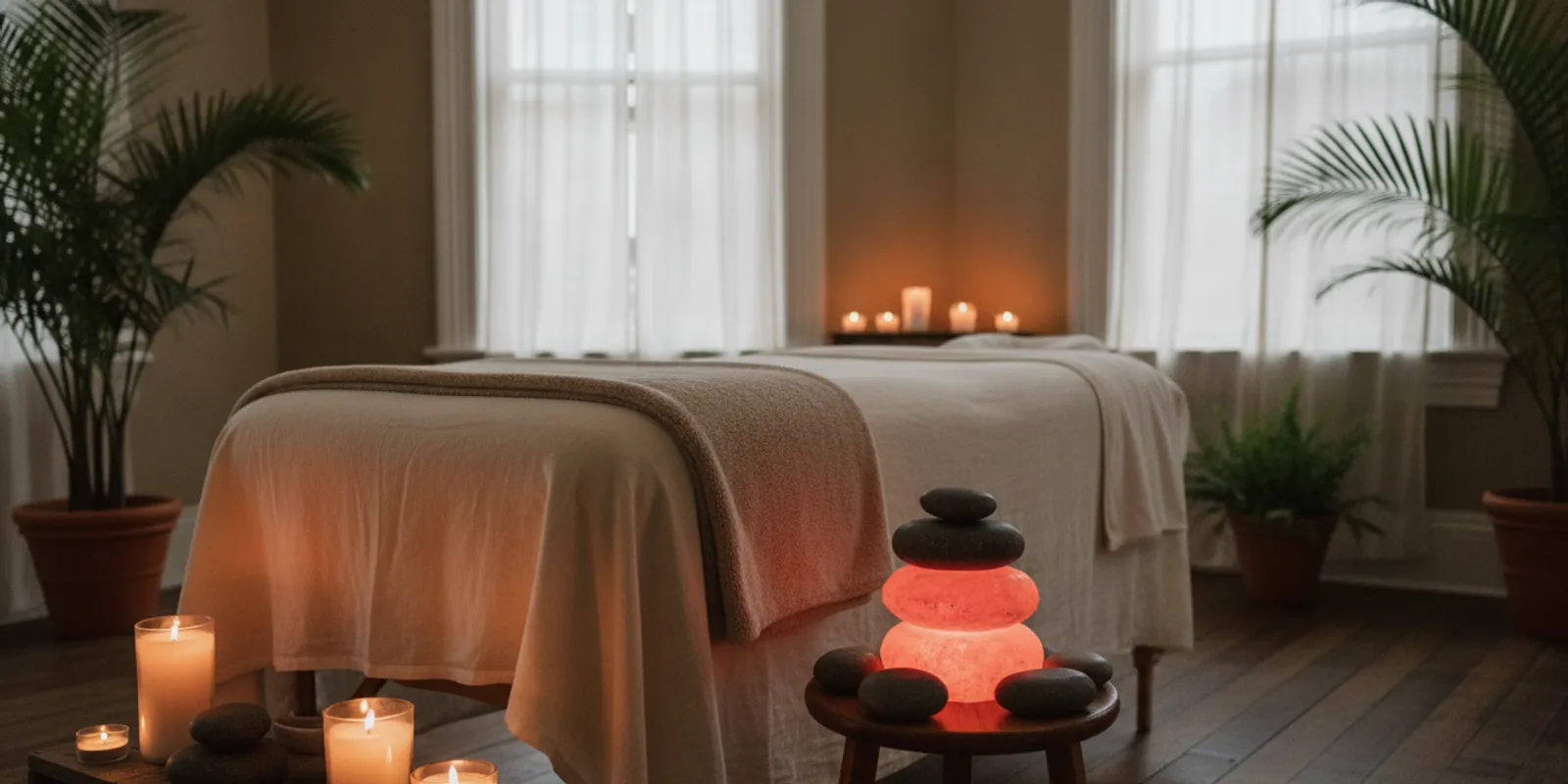
Stone material, temperature, placement, and the amount of hands-on massage can differ between providers. Ask the studio what its version includes rather than assuming every hot stone session follows the same routine. NOLA Bliss Massage offers Hot Himalayan Salt Stone therapy as an enhancement. That means it is an addition to a massage service, not a separate promise of a particular medical result. You can review the studio’s available massage services and ask how the enhancement could fit the session you have in mind.
Hot stone therapy is also not a substitute for medical evaluation or treatment. If you are looking for help with a persistent or unexplained symptom, speak with a healthcare professional about appropriate care. Massage may be a wellness choice for some people, but it should not be presented as a way to diagnose or cure a condition.
Before you compare providers, separate the parts of the experience you can ask about. What kind of stones are used? Are they placed on the body, held by the practitioner, or used for massage strokes? Is the stone work used throughout the session or for only part of it? Does the session include other massage techniques? These practical details help you understand what you are choosing without relying on broad labels or assumed benefits.
What might a session feel like?
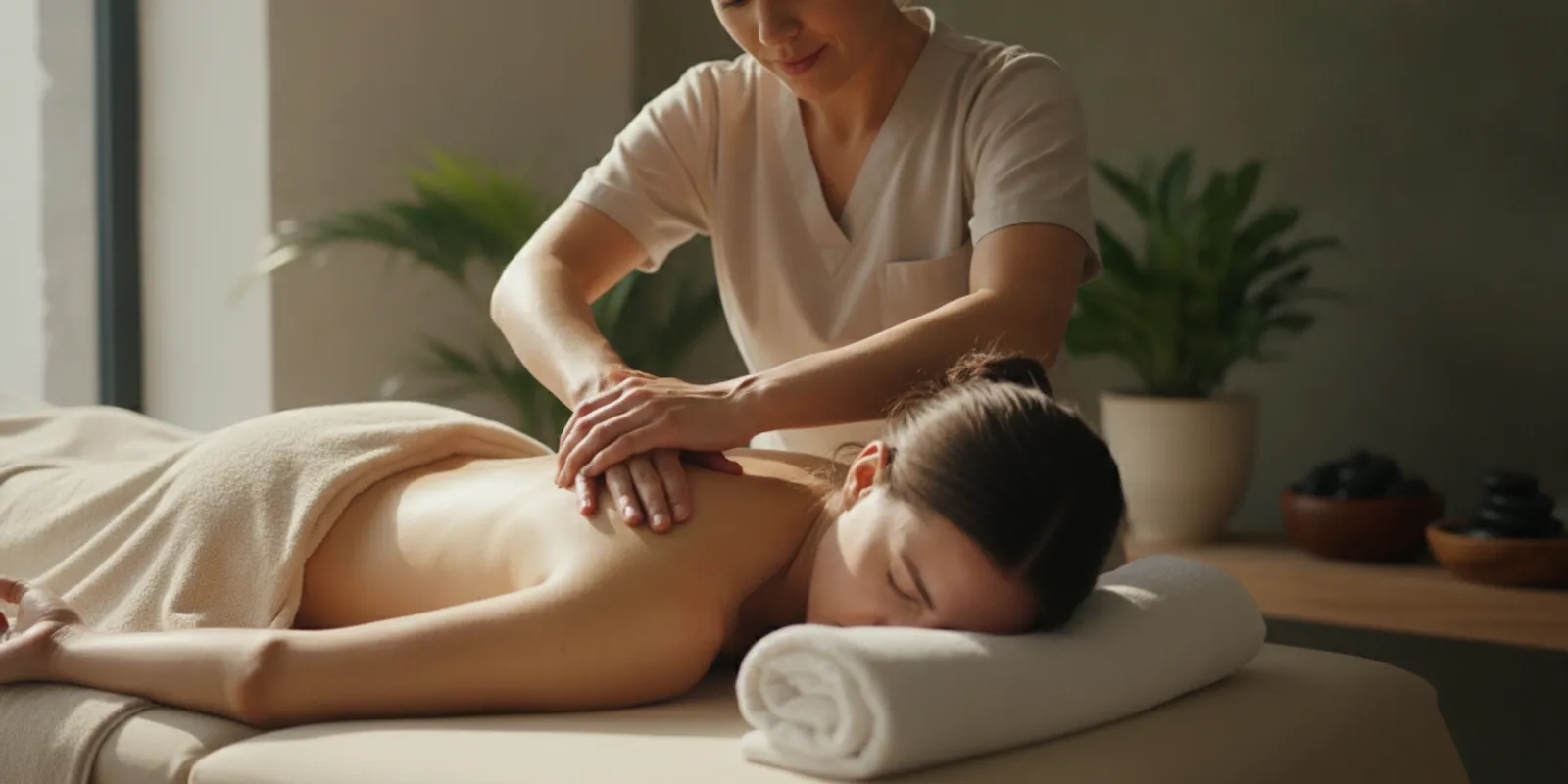
Many people consider this approach because they enjoy warmth and want a relaxing experience. A session may combine massage strokes with the use of warmed stones. You should be able to say if the temperature, pressure, or placement does not feel comfortable. Heat should feel manageable, not painful or overwhelming. Speak up promptly if a sensation feels too hot, sharp, or otherwise wrong for you.
Before scheduling, ask the provider to explain how stones are incorporated, whether they are used on the body or held during the massage, and how you can request an adjustment. You may also ask whether you can try the warmth gradually or decide during the session that you would rather stop using stones. A clear answer is more useful than assuming you must tolerate a technique once it begins.
Research on hot stone massage is limited, and results from one study should not be treated as a guarantee for an individual. A published study examined hot stone massage therapy and sleep quality in a specific intervention group; it does not establish that every person will sleep better or that massage treats a sleep disorder. Read the study’s scope and findings at PubMed Central. A separate overview describes hot stone therapy as a massage practice, but it should not replace a conversation about your individual needs: International College of Health Sciences’ overview.
It can help to think through comfort in stages rather than deciding that you either want all the heat or none. You might tell the provider that warmth sounds appealing but that you want to check in before stones are placed. You could ask to start with a small area, if that is an option in the provider’s approach, and then reassess. If the warmth is distracting, you can request a change or return to massage without stones. The important point is to agree on communication before the session so you do not feel you have to endure a sensation that is not right for you.
Your comfort can change during a massage. A temperature that feels pleasant at first may become too much after a while, or a position may begin to feel awkward. Use plain, direct language: “That feels too warm,” “Could you move the stone?” or “I’d like to stop using the stones.” You do not need to explain or justify a request. A provider’s explanation of how to communicate should be clear before you decide to book.
Who should ask questions before booking?
Heat and massage are not automatically comfortable or appropriate for everyone. Before booking, consider whether you have a health concern that could affect your response to heat, pressure, or positioning. If you are unsure, ask your clinician whether massage or a heat-based enhancement is suitable for you. This is especially sensible if you have a medical condition, recent injury or procedure, altered sensation, skin irritation, or another concern that makes it difficult to judge heat or pressure. These are prompts for a personal discussion, not a diagnosis or a complete list of precautions.
Tell the massage provider about relevant concerns before the session, and ask what information they need to help you make a comfortable choice. Do not assume that a general massage description addresses your specific health circumstances. If a clinician has advised you to avoid heat or massage, follow that advice and clarify any uncertainty with them rather than relying on a blog article.
Pregnancy, recovery from a procedure, and active symptoms can call for individualized guidance. Do not assume that the same technique or positioning is right in every situation. If pregnant, ask your healthcare professional what is appropriate for you and discuss the session in advance with the provider. Any general information about massage during pregnancy can help you prepare questions, but it is not a substitute for individualized guidance.
Also consider practical comfort. If you tend to feel overheated, dislike sustained warmth, or simply prefer a massage without stones, you can ask for a different option. There is no need to choose a heat-based enhancement to have a worthwhile massage. Your preferences are a valid reason to choose another approach.
It may help to prepare a short, relevant explanation rather than trying to summarize your entire health history. For example, you might say that you recently had a procedure, that a particular area is sensitive, or that you have been told to avoid heat. Ask whether that information means you should consult your clinician first or choose a different type of session. Share only what is relevant to your comfort and safety, and do not hesitate to ask what the provider needs to know.
If your reason for considering massage is new, severe, worsening, or unexplained discomfort, consider medical guidance before treating a massage as the next step. A session cannot identify the cause of a symptom. You can also postpone or choose a gentler, non-heat option while you clarify what is appropriate. The goal of these questions is not to label a condition; it is to avoid making a comfort decision on incomplete information.
How can you compare your massage options?
Start with the experience you want, then ask what each option includes. A massage type and an enhancement are not always interchangeable: one describes a broader style of session, while an enhancement may add a specific element. Use this comparison as a starting point for questions, not as a claim that one option is better for everyone.
| Option | What to clarify | May suit someone who |
|---|---|---|
| Massage with a Himalayan Salt Stone enhancement | How the stones are used, how warmth is adjusted, and whether the enhancement fits your preferences | Wants to ask about adding warmth to a massage |
| Swedish massage | What pressure and pacing are available for the session | Prefers a general massage approach without choosing a stone enhancement |
| Deep tissue massage | How pressure is discussed and adapted to comfort | Wants to discuss a more focused pressure preference |
| Massage without a heat-based enhancement | Which service best matches your goals and comfort | Would rather avoid added warmth or is uncertain about it |
Descriptions are not a substitute for asking about the session you will receive. For an overview of the studio’s offerings, see NOLA Bliss Massage services. If you have discomfort in your back or neck and are considering massage, the studio’s back and neck massage guide offers another starting point for thinking through your questions. It does not determine the cause of pain or replace clinical advice.
To make the comparison useful, write down your priority before choosing. If your main preference is a warm, quiet experience, ask about the stone enhancement. If your priority is pressure or focused work, ask how the massage service addresses those preferences, whether or not stones are involved. If your main concern is avoiding heat, compare services without the enhancement. This prevents the enhancement from becoming the whole decision when pressure, pacing, positioning, or simply feeling at ease may matter more to you.
Consider the trade-offs in practical terms. Adding stones introduces heat and a particular technique; it does not automatically make a massage more suitable for a specific concern. A session without stones may be simpler to adapt if you are unsure about warmth. A massage that allows clear discussion of pressure and positioning may matter more than the technique name. Ask what can be adjusted, what cannot, and how the provider will respond if you change your mind.
What should you ask a provider?
A short conversation before booking can reveal whether the session is a good fit. You do not need to know technical terms. Explain what you hope to experience and what you would like to avoid, then ask for a plain-language description.
- What does your hot stone option include? Ask how stones are used and whether the enhancement is added to a particular massage service.
- How do you check that the warmth feels comfortable? Ask how you can request a temperature or placement change, or ask to stop using stones.
- Can I choose a massage without stones? Confirm that you can select another service if the heat does not appeal to you.
- What should I tell you before the session? Share relevant health concerns and ask whether you should consult your clinician first.
- What should I expect for pressure and positioning? Discuss preferences and any position that feels uncomfortable before the massage begins.
- How much time should I plan? Check the appointment details and allow time to arrive without rushing.
Good communication continues during the session. You can ask for less pressure, a position change, or a pause. You can also change your mind about the stones. A massage is not a test of how much heat or pressure you can tolerate.
If you are making the inquiry by phone or message, keep your questions concrete. “Is the stone enhancement part of a massage, or a separate service?” helps clarify what you are booking. “Can I ask to stop the stone work after it starts?” gets directly to flexibility. If you have a health concern, briefly state what is relevant and ask whether the provider recommends that you discuss it with your clinician before scheduling. You can also ask what the studio can confirm about the service and what you should verify with a healthcare professional.
Listen for a specific explanation rather than a broad assurance. You want to understand what the session generally includes, how to speak up, and which questions the provider cannot answer for you. A massage provider can discuss the service and your stated preferences; a clinician is the right person to advise you about medical suitability. Knowing that boundary helps you get useful answers from each person.
How can you plan a visit in New Orleans?
For a local appointment, check the service details and practical arrangements before you choose a time. NOLA Bliss Massage is in Downtown New Orleans’ Warehouse District. Visitors near the Convention Center can review the studio’s information about massage near the New Orleans Convention Center. If parking matters to your plan, check the current downtown parking information rather than assuming the details will be the same every day.
Think about what you want from the appointment: a quiet pause, a massage focused on a particular area, or time to unwind with someone else. If you are planning a visit together, you can review the couples massage option and confirm which services or enhancements can be accommodated. The best choice is the one that fits the people attending, not simply the one with the most add-ons.
When you are ready to ask about availability or suitability, use the contact page. For general background on the studio and its approach, visit About NOLA Bliss Massage. Details can change, so confirm any booking and parking information directly before you travel.
If you are visiting between other plans, leave enough time to arrive, check in, and settle before the appointment. Avoid building a tight schedule that makes you feel rushed or forces you to leave immediately afterward. If you are a local planning a first visit, checking the location and parking details in advance can make the practical side easier. These are simple logistics, but they let you focus on whether the session itself suits your preferences.
For a couples visit, talk through preferences separately rather than assuming both people want the same technique. One person may enjoy warmth while the other prefers a massage without stones, or each may have different pressure and positioning requests. Confirm the available arrangement with the studio before booking. Planning around both people’s comfort is more useful than choosing an enhancement simply because it sounds like a shared experience.
How do you decide if hot stone therapy is right for you?
Use three questions to make a grounded decision:
- Do I want warmth as part of the experience? If you are curious but uncertain, ask how the stones are used and whether you can opt out during the session.
- Is there anything about my health that needs a conversation first? If heat, massage, or positioning may be a concern, ask your clinician before booking and tell the provider what is relevant.
- Does this option match my goal better than a standard massage? Compare what is actually included and choose based on comfort, not on promises of a specific health outcome.
You can choose a regular massage without a stone enhancement, ask more questions, or wait until you have guidance from a clinician. There is no deadline to decide. For some people the warmth is appealing; for others, another style or no added heat is a better fit. A clear conversation helps you choose on your own terms.
One practical way to decide is to use a simple “ready, unsure, or not now” check. You may feel ready if you understand what the stones add, have no unanswered health questions, and feel comfortable asking for changes. You may be unsure if you still need details about temperature, placement, or what the appointment includes; in that case, ask before selecting a service. “Not now” is a reasonable answer if warmth does not appeal, a clinician has advised against it, or you need to resolve a health question first.
After the appointment, take a moment to reflect on what worked for you. Was the warmth comfortable? Did the pressure and positioning suit you? Did you feel able to communicate? Your answers can guide a future conversation, whether you decide to request the same approach, adjust it, or choose a different service. Do not interpret a pleasant or unpleasant session as a medical diagnosis; if symptoms concern you, contact a healthcare professional.
Contact NOLA Bliss Massage with your questions
Frequently asked questions about hot stone therapy
Is hot stone therapy the same at every massage studio?
No. Providers may differ in the stones they use, how they incorporate them, and how the session is structured. Ask a specific studio to describe its approach, including how you can request a change or stop the heat.
Can I ask for a lower temperature or no stones?
Ask the provider before booking how warmth is adjusted and whether you can opt out. During the session, say promptly if the heat feels uncomfortable. You can choose a massage without a stone enhancement if that better suits you.
Does hot stone therapy treat pain or improve sleep?
Do not treat a massage description or a single study as a promise of a health result. One study explored sleep quality in a specific hot stone massage intervention, but that does not establish a guaranteed result for an individual or treatment for a sleep condition. Discuss ongoing symptoms with a healthcare professional.
What is NOLA Bliss Massage’s hot stone option?
NOLA Bliss Massage offers Hot Himalayan Salt Stone therapy as an enhancement. Ask the studio how it can be incorporated into your preferred massage and whether it suits your comfort and circumstances.
Hot stone therapy can be a considered choice when you understand what the session involves, feel able to communicate, and have addressed any health questions that matter to you. Ask first, choose the level of warmth that feels right, and let comfort guide the decision.