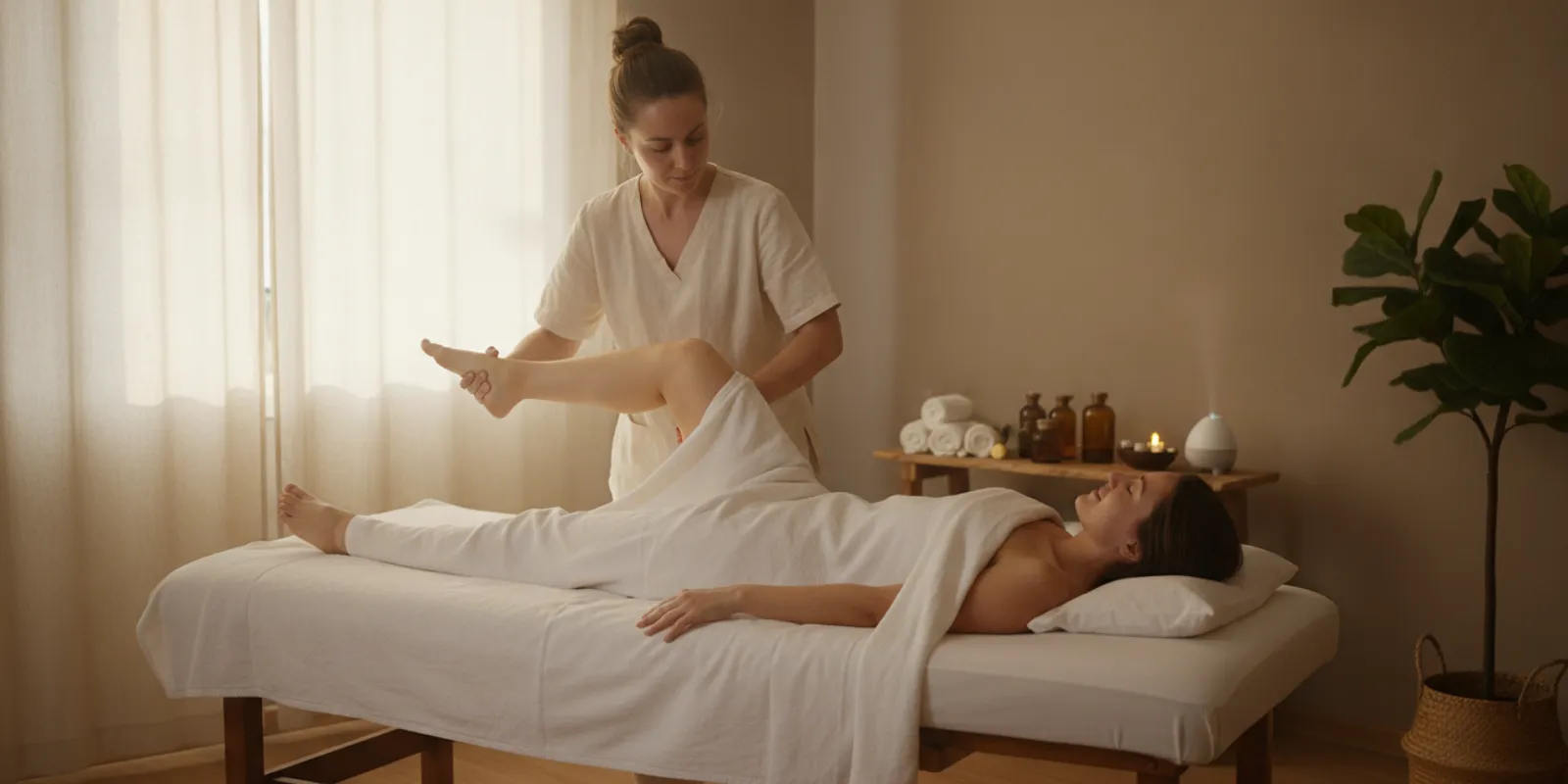

If you are searching for massage for carpal tunnel, you may be hoping for a way to ease hand and wrist discomfort without adding more strain. Massage may support comfort for some people, especially when a therapist works carefully with the forearm and surrounding soft tissue. It does not diagnose carpal tunnel syndrome, release pressure from the median nerve, or replace treatment from a qualified healthcare professional.
Book a massage at NOLA Bliss Massage to discuss your comfort goals and request a pressure plan that fits your needs.
What is carpal tunnel syndrome?
Carpal tunnel syndrome happens when the median nerve is compressed as it passes through the carpal tunnel in the wrist. Common symptoms include tingling, numbness, aching, or pain in the hand and fingers, along with a weaker grip or difficulty holding objects. Symptoms often come and go at first and may be more noticeable at night.
Those symptoms can also come from other conditions affecting the neck, shoulder, elbow, forearm, or hand. That is why a massage therapist should not assume that every sore or tingling wrist is carpal tunnel syndrome. A clinician can review your symptoms, medical history, and, when appropriate, testing to determine what is going on.
The Mayo Clinic’s carpal tunnel diagnosis and treatment guidance notes that persistent pain, numbness, or weakness deserves professional attention. Early evaluation matters because ongoing nerve compression can affect sensation and hand function.
Can massage support hand and wrist relief?
Massage may support relief in a limited, individualized way. A therapist may work with the muscles and connective tissues of the forearm, palm, hand, or nearby areas to reduce general tension and make movement feel more comfortable. The goal is not to press harder on a painful spot. The goal is to listen to your symptoms, use an appropriate amount of pressure, and avoid provoking nerve-related sensations.
Some studies of manual therapy have reported improvements in pain or hand function, while other evidence is less encouraging. The American Academy of Orthopaedic Surgeons clinical practice guideline states that massage therapy and manual therapy have not demonstrated improvement in long-term patient-reported outcomes for carpal tunnel syndrome. This is an important distinction: a person may feel temporary comfort after a session without massage treating the underlying nerve compression.
Massage is therefore best considered one possible comfort measure alongside an appropriate medical plan. It may be reasonable for a clinician-cleared client who wants help managing surrounding muscle tension, but it should not delay evaluation or treatment for ongoing neurological symptoms.
Which areas might a therapist address?
For a client with hand or wrist concerns, a session may focus on areas that contribute to overall upper-extremity tension rather than attempting to manipulate the carpal tunnel directly. Depending on your symptoms and comfort, that might include:
- Forearm muscles that become tired from gripping, typing, or repetitive hand use.
- The palm and hand, using gentle contact only when it feels comfortable.
- The wrist and lower forearm, with care around sensitive or tingling areas.
- The elbow, upper arm, shoulder, or neck when broader tension affects how you use the arm.
Every person responds differently. Numbness, tingling, burning, electric sensations, or sudden increases in pain are signals to stop and reassess, not signs that the pressure is working. A therapist should ask for feedback throughout the session and adjust or avoid an area when needed.
If daily computer or desk work contributes to general upper-body tension, you may also find our guide to massage for desk workers useful. It addresses the broader tension patterns that can accompany long periods of sitting and repetitive work, not a diagnosis of carpal tunnel syndrome.
What should you tell your massage therapist before a session?
Clear communication helps a therapist make safer choices. When booking or checking in, tell the therapist:
- Which hand or hands are affected and where you feel symptoms.
- Whether you notice pain, numbness, tingling, weakness, burning, or changes in grip.
- When symptoms began, what activities make them worse, and whether they wake you at night.
- Whether a healthcare professional has diagnosed carpal tunnel syndrome or another condition.
- About relevant treatment, including a wrist splint, injection, surgery, physical or occupational therapy, or prescribed medication.
- Whether you have had a recent injury, procedure, infection, unusual swelling, or a change in sensation.
- What pressure feels safe to you and what sensations you do not want to experience.
You do not have to endure discomfort to receive a therapeutic massage. You can ask for lighter pressure, request a different position, pause the session, or stop altogether. A good treatment plan is collaborative and can change as your feedback changes.
What might a carpal tunnel massage session look like?
A supportive session begins with an intake conversation, not an assumption. The therapist can review your stated goals, ask about comfort and movement, and clarify what massage can reasonably address. This conversation does not replace a medical assessment, but it helps the therapist stay within an appropriate scope.
Positioning can be adapted so the arm and wrist are supported rather than held in a strained angle. The therapist may begin away from the most sensitive area and use slow, moderate contact on the forearm or related muscle groups. Communication continues throughout the session. If symptoms increase, the therapist can reduce pressure, change the area, or end the work.
NOLA Bliss Massage offers customized deep tissue and Swedish massage services. That does not mean deep pressure is automatically appropriate for hand or wrist symptoms. The service should be tailored to your current tolerance and any guidance from your healthcare professional. If you want to understand how deep tissue massage differs from lighter approaches, read what deep tissue massage is and what it may be used for before booking.
After a session, notice how your symptoms respond over the next several hours. Temporary relaxation is different from lasting improvement in numbness, strength, or nerve symptoms. If symptoms worsen or do not settle, contact a healthcare professional rather than scheduling more intense massage.
Book your appointment with NOLA Bliss Massage and share your hand or wrist concerns during intake so your therapist can plan a careful, individualized session.
When should you avoid massage and seek medical care first?
Massage is not the first step for every hand or wrist complaint. Pause booking and seek medical guidance when symptoms are new, persistent, worsening, or not yet explained. You should also ask for medical direction before massage if you have significant loss of sensation, increasing weakness, trouble gripping or dropping objects, severe pain, or symptoms after an injury or procedure.
Do not ask a massage therapist to work through sharp, electric, burning, or escalating pain. If your hand is unusually swollen, red, hot, or discolored, or if you have signs of infection or a serious injury, prompt medical evaluation is more appropriate than massage. Sudden or severe neurological symptoms should be treated as urgent.
The NHS guidance on carpal tunnel syndrome recommends seeking medical advice when symptoms are getting worse, do not go away, or are not improving with self-care. A clinician may discuss options such as activity changes, a nighttime wrist splint, hand therapy, medication, injection, or surgery depending on the diagnosis and severity. Massage should fit around that plan, not compete with it.
How can you prepare for a safer massage?
Before the appointment, write down when symptoms appear and what activities affect them. Bring any relevant instructions from your healthcare professional and be ready to explain which movements or positions are uncomfortable. Avoid arriving with the expectation that a painful technique will “break up” a problem. More pressure is not a measure of better care, especially when nerves are involved.
During the visit, use specific feedback. Tell the therapist if a sensation feels sharp, hot, electrical, numb, or unfamiliar. Mention if your symptoms travel into the fingers or if your grip feels different. You can also ask what areas the therapist plans to work on and how the session can be modified if your hand or wrist becomes more sensitive.
Our article on what to tell your massage therapist before a session offers additional preparation tips. You can also read about medical massage therapy to better understand how therapeutic massage differs from medical diagnosis and care. NOLA Bliss Massage provides massage services, while a qualified healthcare professional remains responsible for diagnosing and treating carpal tunnel syndrome.
Book a careful, communication-first massage at NOLA Bliss Massage when it fits your healthcare guidance.
Frequently asked questions about massage for carpal tunnel
Can massage cure carpal tunnel syndrome?
No. Massage may provide temporary comfort for some people, but it does not diagnose carpal tunnel syndrome or reliably resolve the pressure on the median nerve. Use massage only as supportive care and follow guidance from a qualified healthcare professional.
Is deep tissue massage good for carpal tunnel symptoms?
Deep pressure is not automatically better and may aggravate sensitive symptoms. A therapist should consider your medical guidance, current sensation, tolerance, and goals before choosing pressure. Many clients need a more measured approach around the forearm, hand, and wrist.
Should I massage a numb or tingling hand at home?
Do not use numbness or tingling as a reason to press harder or repeatedly work the area yourself. Because these symptoms can have different causes, ask a healthcare professional for guidance, especially if they persist, worsen, or are accompanied by weakness. A massage therapist can offer general comfort-focused work after you share that guidance.
Can I book a massage if I have already seen a doctor?
Often, massage can be discussed as a complementary comfort option when your healthcare professional has not told you to avoid it. Share the diagnosis, restrictions, recent procedures, and treatment plan with the therapist. The session should be modified or postponed if your provider has advised against massage or if symptoms have changed.
What is the safest next step?
If you have unexplained hand or wrist symptoms, start with an appropriate medical evaluation. If you have already been evaluated and want supportive care for surrounding tension, look for a licensed massage therapist who welcomes detailed intake, respects your feedback, and does not promise a cure. The right session should leave you feeling heard and appropriately cared for, not pressured to tolerate pain.
NOLA Bliss Massage is an appointment-only therapeutic studio in the Warehouse District of Downtown New Orleans. Our licensed massage therapists can discuss your comfort goals, adapt pressure, and help you decide whether a massage session is appropriate to pursue alongside your care plan. Learn more about trigger point massage and myofascial release therapy as broader educational resources, then contact the studio with any questions before scheduling.
Schedule a consultation-minded massage appointment at NOLA Bliss Massage when massage fits your healthcare guidance and comfort goals.