Massage for veterans is most useful when you stay in charge of the session. You choose what to share, which areas can be worked, how much pressure feels right, and when to pause. At NOLA Bliss Massage in the Warehouse District, a session is a private wellness visit. It is not medical treatment, and it is not a substitute for care from the Department of Veterans Affairs or any other clinician.
Call (504) 615-9414 to ask about a comfortable session
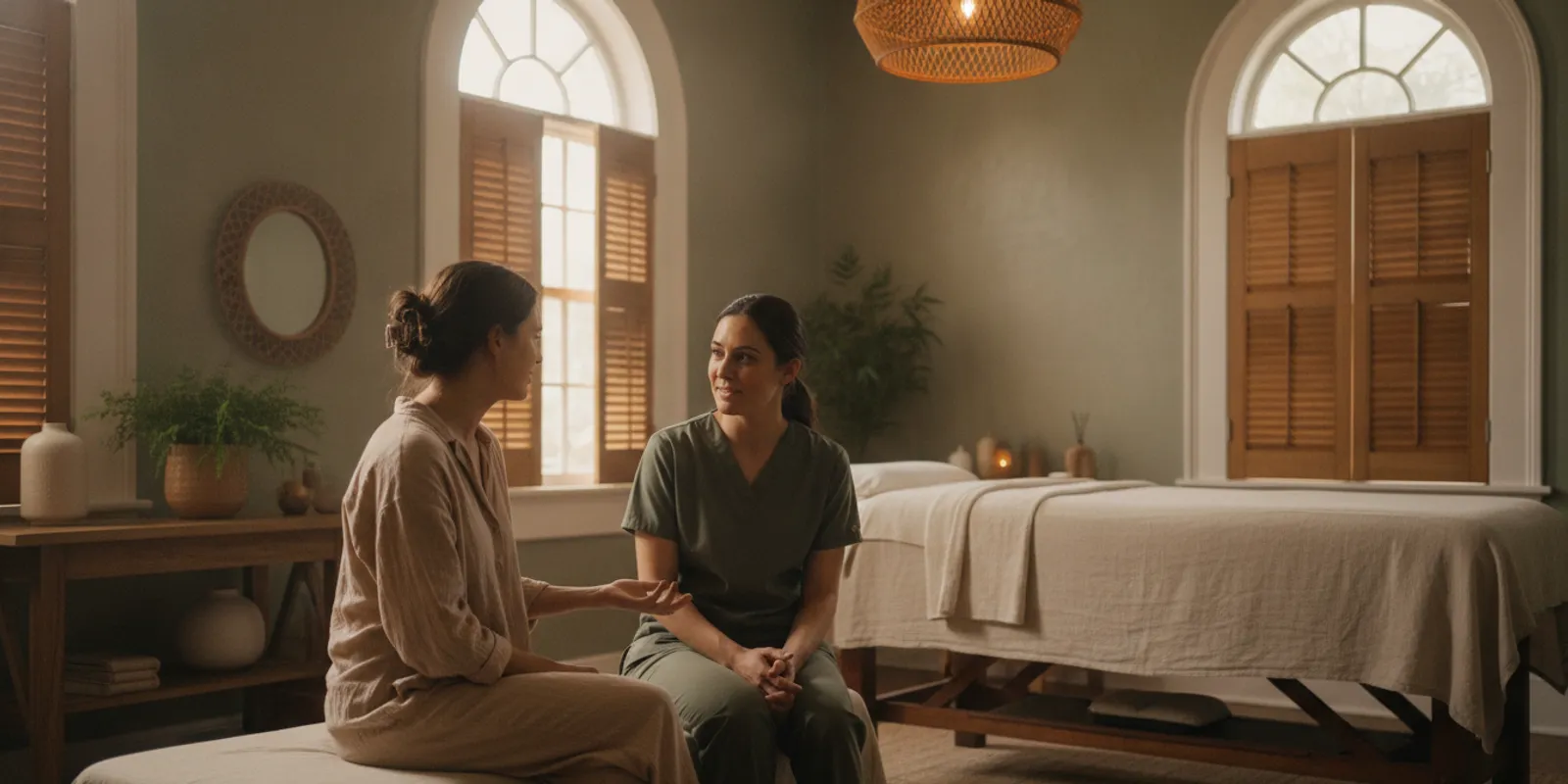
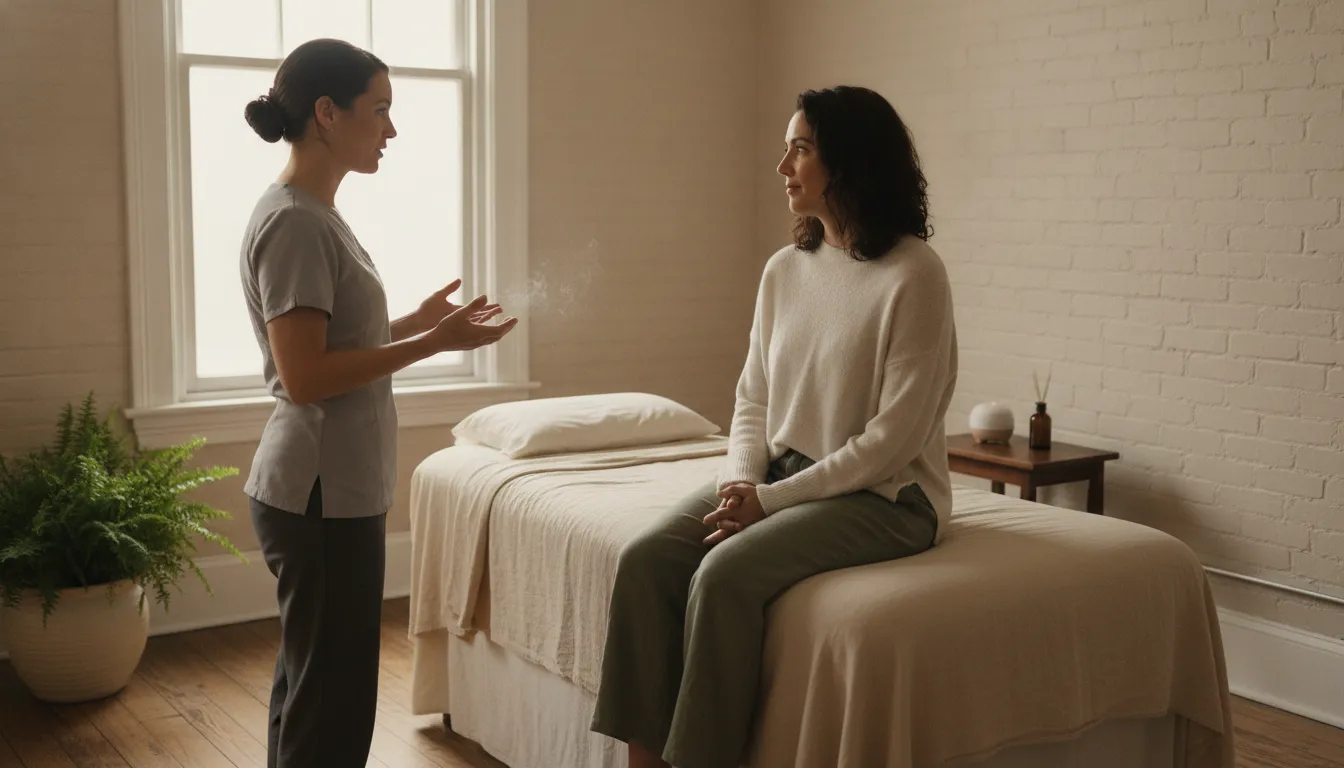
A good first visit starts with a short conversation, not a fixed routine. You can book a Swedish or deep tissue massage and ask the therapist to stay lighter, skip an area, or focus on everyday stiffness. If touch, sound, or lying flat is hard today, say so before the appointment. You do not need a diagnosis, a service story, or a treatment plan to deserve that kind of care.
What massage for veterans can and cannot do
A massage can give you a quiet hour to notice tight muscles, sore joints, and what kind of touch feels acceptable. Many people use it for everyday stiffness after work, travel, or exercise. That is a fair goal. It is not a promise that massage will fix an injury, restore sleep, or change a mental health condition.
Massage therapists do not diagnose injuries or mental health conditions. They also do not replace physical therapy, medication, or counseling. If a clinician has limited pressure, heat, or certain positions, bring those limits with you. The therapist can work inside them. The therapist cannot clear you for massage.
The VA’s Whole Health page on medical massage says to ask your health care provider whether massage is right for you. It also says guidance has to fit the individual veteran and the clinician’s judgment. That is a referral to your own team, not proof that a private studio visit treats PTSD or an old injury. NOLA Bliss does not offer PTSD treatment, and this guide will not claim that a session will.
If you want the broader safety framework, read the studio’s trauma-informed massage guide. This article stays on the practical choices a veteran or family member makes before booking.
What to share before you book
You decide how much of your history belongs in a booking note. A therapist needs practical facts more than a full story. Useful details are recent surgery, blood clots, fever, a new injury, pregnancy, or a clinician’s instruction to avoid an area. Skin that bruises easily, reduced feeling in a limb, or trouble lying on your stomach also matter.
You can keep service history private. You can also name a preference without explaining why. “Please avoid my lower back” is enough. “I want light pressure and a quiet room” is enough. If you would rather talk before you arrive, call or text the studio, or use the form and links on the contact page.
The contact page lists NOLA Bliss at 322 Lafayette St, Suite 300, New Orleans, LA 70130. Call or text (504) 615-9414, or use the contact page if you prefer to write. Published hours are Monday through Friday, 9:00 am to 8:30 pm, and Saturday and Sunday, 10:00 am to 6:00 pm. Weekday parking validation is explained on the free parking page.
A short note that covers the basics
Try one plain message. Name the session length you want, areas to include or avoid, a pressure range, and any medical limit. Add whether you want music low or off, and whether you need extra time to get settled. That note lets the studio match a therapist without asking you to retell anything you would rather keep to yourself.
How to set physical recovery goals
Pick a goal you can feel in one visit, then judge the session against that goal. A clear example is less neck stiffness when you check traffic, not a request to fix a shoulder. Another is calf work that stops if the pressure feels sharp, not a plan to work out an old injury.
Swedish and deep tissue sessions at the studio are customized. The massage services menu lists 60, 90, and 120 minutes at $120, $170, and $240. Ashiatsu uses the therapist’s feet with overhead bars. It is listed at the same base prices. It can be lighter or deeper, but it is still bodywork, not rehabilitation. The menu also lists more than one add-on price for hot Himalayan salt stones, so ask for the current add-on before you book if heat matters to you.
Match the session to the goal you can describe today:
- General ease and a calmer hour: start with Swedish pressure and a shorter visit.
- Specific tight spots you already know well: ask for focused work and name the spots.
- A clinician has cleared deeper work: say so, and still keep a stop word.
- You are unsure: book the conversation first and keep the first session lighter.
Leave medical recovery goals with the people who manage them. If you are in physical therapy, ask that team which movements or areas to skip this week. Bring the answer. Do not ask a massage therapist to interpret an imaging report or change a home exercise plan.
Consent, positioning, and access choices
Consent is a series of small choices, not one signature at the door. You can keep clothes on, stay partly covered, change position, or end early. You can ask the therapist to check in before moving to a new area. A comfortable session is one you could pause without having to justify the pause.
Position matters as much as pressure. Some people prefer face up. Some need a pillow under the knees or chest. Some do better in a chair for part of the time. Say which option you want before you are on the table. If getting onto a table, transferring, or managing sensory input is the main question, the studio’s guide to accessible massage goes further on those logistics.
Use the table below as a checklist before a first visit. It is a planning aid, not a treatment menu.
| Choice | What you can ask for | What to confirm first |
|---|---|---|
| Pressure. | Light, moderate, or deeper work in named areas. | Any clinician limit on depth or inflamed tissue. |
| Areas. | Include, lighten, or skip a body region. | Recent surgery, clots, or reduced sensation. |
| Position. | Face up, side-lying support, or extra pillows. | Whether lying flat is comfortable today. |
| Room. | Quiet, low music, or a check-in before touch. | How you want the therapist to ask questions. |
| Timing. | 60, 90, or 120 minutes. | Energy after the visit and your travel plans. |
If a session stops feeling right, say “pause” or “that’s enough.” A professional visit should change course right away. You can also leave and rebook later, or decide massage is not the right fit. Both are reasonable outcomes.
How to coordinate massage with medical care
Private massage and VA care answer different questions. NOLA Bliss can schedule a wellness session you pay for yourself. This guide cannot tell you whether VA will cover massage, and a private studio booking is not an approved VA referral. Coverage questions belong with your VA health care team.
The VA’s community care eligibility page says you generally need to be enrolled in or eligible for VA health care. You also need approval from your VA team before community care is paid, except for certain urgent or emergency cases. At least one other condition must also be true. Examples include a service VA does not provide, a drive or wait time outside VA standards, or agreement that community care is in your best medical interest. Approval is not automatic.
Use this order when you want both kinds of care:
- Ask your VA clinician whether massage is appropriate for your current conditions.
- Ask whether any massage through VA must be referred, and where that referral would go.
- If you still want a private visit, book it as private pay and share only the limits that protect you.
- After the visit, tell your clinician about new pain, swelling, dizziness, or numbness. Do not wait for the next massage to sort those out.
A listing of services at a VA medical center does not mean every veteran is eligible, and it does not mean a downtown studio appointment is VA care. Start with your own team. If you want a calm, non-clinical explanation of what a relaxation session feels like, the Swedish massage guide is the closer read.
Choosing a session at NOLA Bliss
Look at the services menu and pick the format that matches your goal, not the deepest option on the page. A tailored Swedish or deep tissue massage is the usual starting point. Prenatal massage is only for clients past the first trimester. Couples massage puts two people in one room, which some veterans want and others do not. Event chair massage is for groups, not a private recovery visit.
Ashiatsu is the studio’s specialty, and the services page describes it as adjustable from lighter to very deep. Skip it on a first visit if you want predictable hands-on pressure, or if a clinician has limited depth. Salt stones add heat. Skip those too if heat, lying still, or an unfamiliar texture is uncomfortable.
The homepage says same-day visits are normally available, but a first session goes better with a note in advance. Tell the studio if you want a quieter room. This page cannot promise a specific therapist, so ask directly if that matters to you. The contact page says gift certificates can be purchased online, or you can call to pick up a physical gift card with a note card and envelope. Denominations and expiration are not listed there, so confirm those details before you pay. For older veterans comparing comfort and pace, the massage guide for seniors covers a gentler first visit in more detail.
When you are ready, call (504) 615-9414 or book online and describe the session you actually want.
Frequently asked questions
Do I have to disclose that I am a veteran?
No. Share the practical limits that affect touch, pressure, position, or safety. Your service history is yours to keep private.
Can massage for veterans treat PTSD or an old injury?
No. A session can be supportive and comfortable, but it does not treat PTSD, traumatic brain injury, or musculoskeletal injuries. Keep those with your clinicians.
Will the VA pay for a NOLA Bliss appointment?
This studio’s public pages do not say it bills VA or joins a community-care network. VA community care requires eligibility and approval before care. Ask your VA team before you assume a private visit is covered.
What if I need to stop during the session?
Say so. You can pause, change pressure or position, skip an area, or end early. You do not need to explain why.
What should I book first?
Many people start with a 60-minute tailored massage, lighter pressure, and a short note about areas to avoid. Current menu prices are on the services page. Add time or depth only after that visit feels comfortable.
How a first hour usually unfolds
Arrive a few minutes early so the start does not feel rushed. The visit begins with the preferences you already sent, then a quick check that nothing has changed. You can update pressure, skip a region, or ask for a quieter room before any hands-on work starts. You can also say you would rather not talk during the session.
On the table, feedback should stay simple. “Lighter,” “more there,” and “please stop” are complete instructions. If a muscle feels useful and sore in a familiar way, you can continue. If pain is sharp, electrical, or new, stop that spot. A wellness session should not test an injury to see what it can tolerate.
Afterward, notice how you feel for the rest of the day. Mild softness in worked muscles can be normal. New swelling, a headache that will not settle, dizziness, or numbness is a reason to contact your clinician, not to book a deeper follow-up. Use the next visit only if the first one felt respectful and physically acceptable.
What a partner or caregiver can do
Family members often want to help with booking, and that help works best when the veteran still sets the terms. A partner can reserve the time, handle parking, or wait nearby. The partner should not choose pressure, disclose a diagnosis, or promise a result. If you want someone in the room, ask the studio before the appointment so the plan is clear.
A gift certificate is a good option when the recipient should choose the session. The contact page says certificates can be purchased online, and that you can call to pick up a physical gift card with a note card and envelope. Denominations and expiration are not listed on that page, so confirm those details before you pay. The useful gift is flexibility, not a surprise deep-tissue package.
Questions worth asking the studio
A short call can prevent a mismatched visit. Ask whether the therapist can keep pressure light for the whole hour, even if the menu says deep tissue. Ask how they want you to signal a pause. Ask what happens if you need to end early. Those answers tell you more than a list of techniques.
Also ask about the room and the building. Suite 300 is a downtown studio, not a hospital clinic. If stairs, a long walk from the garage, or a strong scent would be a problem, say so. The parking page covers weekday validation at the 601 Tchoupitoulas Garage. Validated parking is free for up to three hours on weekdays and $10 for up to three hours on weekends, and it does not cover star spaces. Ask about the walk if that detail matters for you.
If you are comparing this visit with care inside VA, keep the two tracks separate. Use your VA health care team for pain management and rehabilitation questions. Use NOLA Bliss for a private appointment you choose and pay for. Mixing the names in one request will not turn a studio booking into VA care.
A practical next step
Decide the one thing you want from the hour. That might be less neck stiffness, a quiet break, or work on areas you already know are safe. Write the limits next to that goal. If a clinician should weigh in first, make that call before you book. Then tell NOLA Bliss what you want, using the phone or the booking link. Leave the rest untold unless you choose to share it.