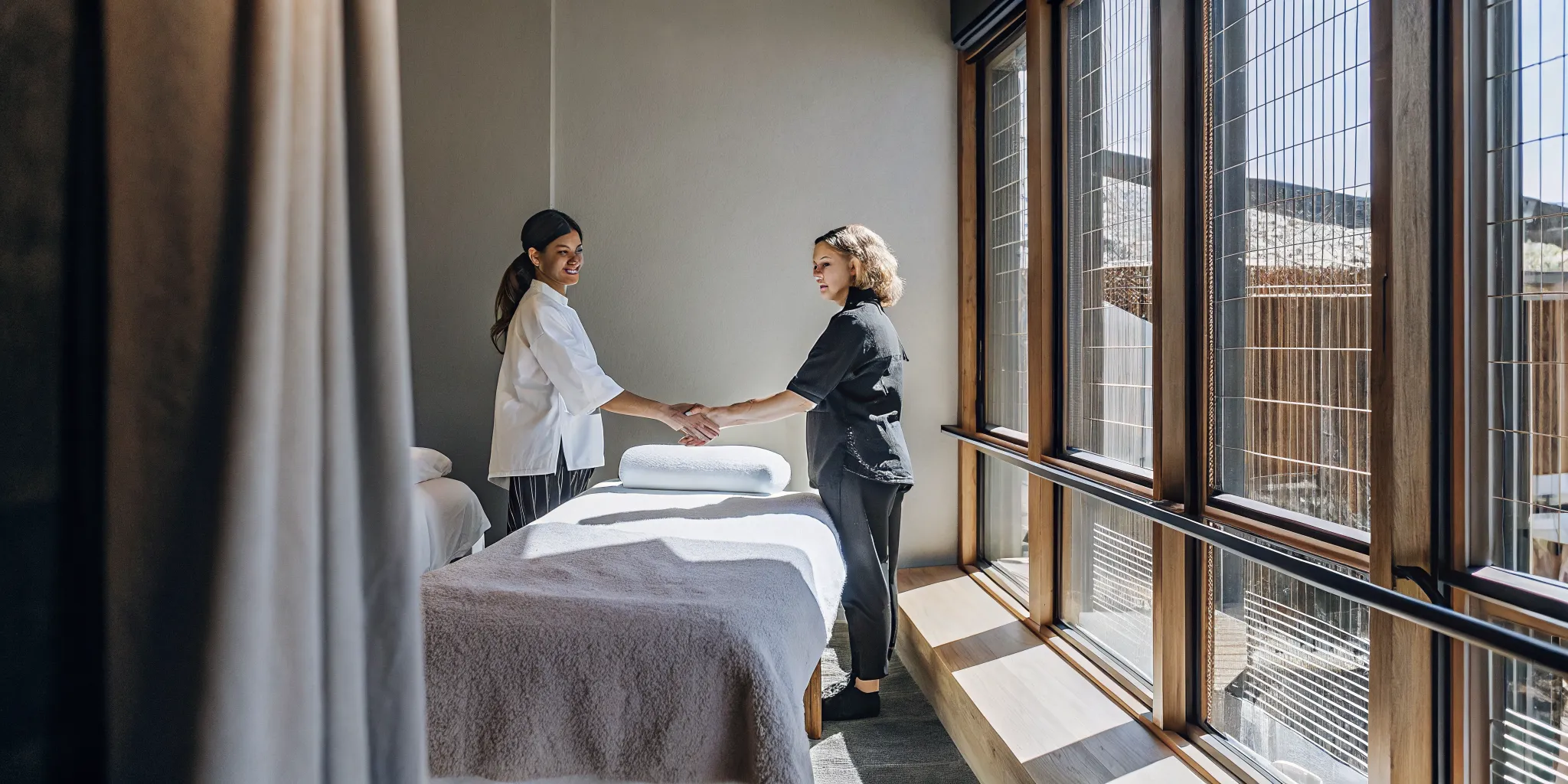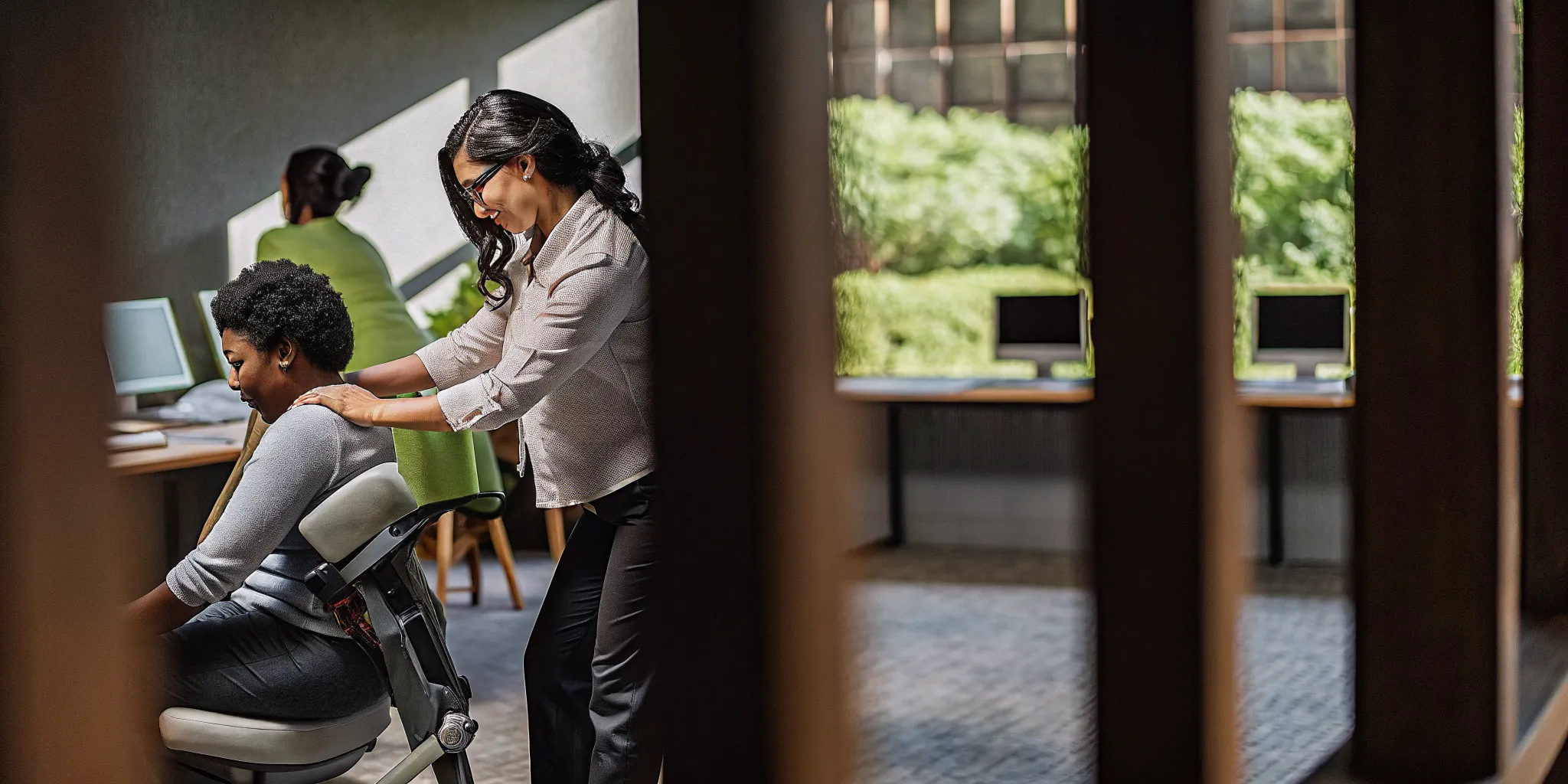
Recovery is not always about choosing between hands-on bodywork and newer wellness tools. For many guests, the most thoughtful approach is combining methods that support the body in different ways. At NOLA Bliss Massage in Downtown New Orleans, therapeutic massage provides personalized care for tension. Mobility, and recovery, while red light therapy can serve as a focused enhancement to that work.
Red light therapy New Orleans offers a non-invasive way to support recovery, ease inflammation. And complement the results of therapeutic massage, making it a practical addition to a personalized wellness routine.
Understanding how this pairing works starts with the light itself. Photobiomodulation reaches beyond the surface of the skin and interacts with cellular energy systems, helping explain why a short treatment can fit naturally alongside therapeutic bodywork. From there, the right combination depends on your goals, your body, and the kind of recovery support you need.
How Red Light Therapy Works at the Cellular Level
Red light therapy, also called photobiomodulation, uses specific bands of red and near-infrared light to encourage useful activity inside your cells. Unlike ultraviolet light, it is not intended to damage tissue. The light passes through the skin and is absorbed by structures within the cell, where it can support the body’s normal energy and recovery processes.
From Light Absorption to Cellular Energy
The mechanism is easiest to understand as a two-step process. First, light energy is absorbed by cytochrome c oxidase, a light-sensitive component of the mitochondria. Mitochondria are often described as the cell’s energy centers because they help convert fuel into adenosine triphosphate, or ATP.
Second, that absorption can support ATP synthesis. ATP gives cells the energy they need to carry out everyday work, including repair and maintenance. A review of photobiomodulation research describes enhanced mitochondrial ATP production as a key cellular effect of red light exposure. The same review identifies reduction of oxidative stress as another potential effect at the cellular level (review published in PMC).
This does not mean a session instantly heals an injury or replaces medical care. It means the light may help create a more supportive environment for normal cellular function. That distinction matters when considering red light therapy New Orleans guests may add to a broader recovery plan.
What Makes Medical-Grade RLT Different
Not every light panel delivers the same experience. A medical-grade or professional wellness system is selected with measurable power density, consistent output, and wavelength precision in mind. NOLA Bliss uses a panel built around 660nm red light and 850nm near-infrared light, two commonly used wavelength targets in professional photobiomodulation settings.
Power density affects how much light energy reaches the treatment area, while wavelength determines which type of light is being delivered. Consumer devices may offer convenience, but their output, coverage, and treatment consistency can vary. A professional setup allows the session to be applied in a controlled environment and incorporated thoughtfully alongside therapeutic care.
Current research describes photobiomodulation as a safe modality for adults and reports that red light PBM does not induce DNA damage. While individual suitability still depends on health history and medications (PubMed review). If you have a condition or concern, discuss red light therapy with a qualified healthcare professional before beginning.
Science-Backed Benefits of Red Light Therapy
Red light therapy is best understood as a supportive tool, not a cure-all. Photobiomodulation research points to several useful applications, but the response depends on factors such as the condition being addressed, the light device, treatment schedule, and individual health. Consistent sessions may be more meaningful than a single visit, and realistic expectations matter.
Pain and Inflammation
One of the most relevant benefits for guests seeking therapeutic care is support for pain management. A clinical review of photobiomodulation describes applications involving pain, peripheral neuropathy, wound healing, and other dermatological conditions. These findings suggest that red light therapy may be useful as part of a broader care plan. Particularly when discomfort or tissue recovery is affecting movement and daily activities. It should complement, rather than replace, medical evaluation when pain is severe, persistent, or unexplained.
Red light therapy may also help calm inflammatory activity and support muscle recovery. Low-level light energy has been associated with reduced inflammation and enhanced muscle recovery in peer-reviewed photobiomodulation research (review of cellular mechanisms in PMC). For a guest managing post-workout soreness or general muscular tension, that supportive effect can fit naturally alongside hands-on therapeutic massage. Results vary, so the goal is to observe how the body responds over time rather than promise an identical outcome for everyone.
Skin Health and Rejuvenation
Red light therapy is also studied for skin health. Research on LED photobiomodulation describes its growing use in skin care, including efforts to address visible signs of aging and support skin rejuvenation. The proposed benefits include stimulating processes associated with collagen production, which may help improve the appearance of fine lines, texture, and elasticity over time. The evidence does not mean that red light therapy reverses aging or produces instant changes. Skin responds gradually, and outcomes depend on the treatment parameters and the person’s baseline skin health.
Because red light therapy is non-invasive, it can be a comfortable addition to a wellness routine for many guests. Still, anyone with a diagnosed skin condition, photosensitivity, or a treatment plan from a medical professional should ask a qualified provider whether it is appropriate. At NOLA Bliss, a personalized conversation helps keep the experience aligned with your recovery and wellness goals.
Why Red Light Therapy in New Orleans Complements Therapeutic Massage
Recovery is rarely one-dimensional. Red light therapy and therapeutic massage address different parts of the same process, so pairing them can create a more complete session. Red light therapy uses low-level light to support cellular activity, while massage works directly with muscles, fascia, and circulation. Together, they offer a thoughtful approach for guests managing soreness, physical strain, or the demands of an active New Orleans lifestyle.
Two mechanisms, one recovery goal
Photobiomodulation may help reduce inflammation and oxidative stress while supporting mitochondrial production of adenosine triphosphate, or ATP, the energy cells use to function. These effects can help prepare tissues for hands-on work. Research describes photobiomodulation as a non-invasive modality with cellular effects, including enhanced ATP production and reduced oxidative stress (review the cellular mechanisms of photobiomodulation).
Massage contributes a different kind of stimulus. Skilled hands-on work can release muscular tension, mobilize restricted soft tissue, and encourage circulation. That mechanical input helps the body process the effects of physical exertion and can make movement feel easier. If red light therapy helps create a supportive cellular environment, massage addresses the physical patterns that keep discomfort going.
| Approach | Primary role | Typical format | Best understood as |
|---|---|---|---|
| Red light therapy alone | Supports cellular repair and energy production. | Non-invasive, often 10 to 20 minutes. | A cellular support tool. |
| Therapeutic massage alone | Releases mechanical tension and works with soft tissue. | Hands-on, commonly 60 minutes. | A focused mechanical intervention. |
| Combined session | Pairs cellular support with tension release. | Complementary modalities in one recovery plan. | A more integrated approach to recovery. |
Why sequence matters
Starting with red light therapy may help warm up the recovery plan at the cellular level before hands-on treatment. Massage can then address areas of tension and support circulation. Depending on your goals, your practitioner may recommend a different order or emphasize one modality more than the other. There is no universal formula, which is why a personalized plan matters.
Guests can explore NOLA Bliss Massage’s therapeutic massage services and learn more about massage for enhanced recovery. If you want a more clinically focused overview, this guide explains how to complement your therapeutic massage with a targeted approach.
Red light therapy is not a replacement for medical care, and results vary by person. Used alongside appropriately selected massage, however, it can add a non-invasive cellular component to a hands-on recovery strategy.
What to Expect from Red Light Therapy in New Orleans
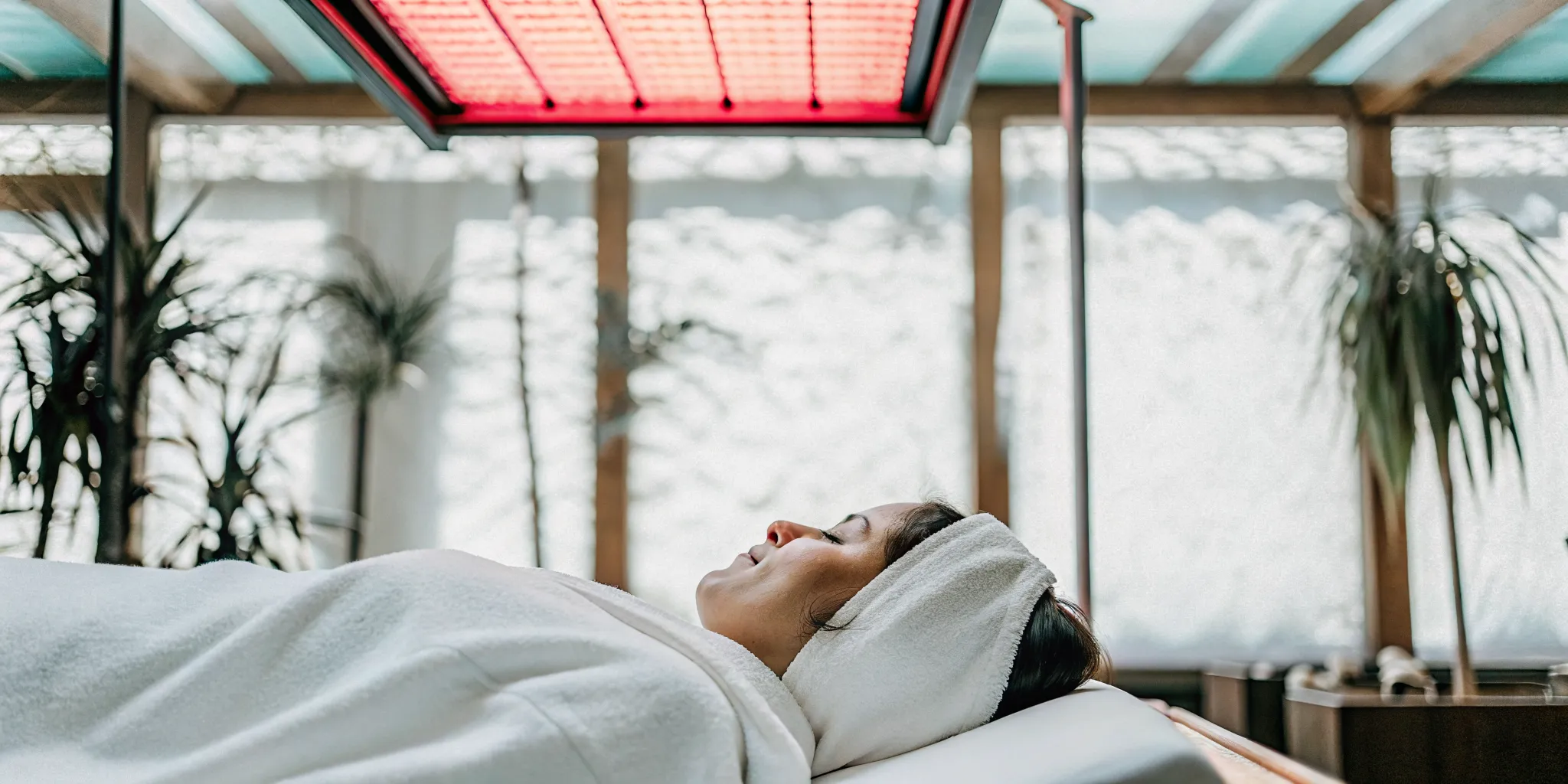
A session at NOLA Bliss Massage is designed to be simple, comfortable, and easy to fit into a recovery routine. You will lie down or sit beneath a medical-grade, full-body red light panel while the light is applied for a brief, focused session. Typical red light therapy sessions last 10 to 20 minutes.
Wear comfortable clothing that allows you to relax. You generally do not need to undress. Remove metal accessories and eyeglasses before the session so the panel can be used as intended. The experience should not require recovery time afterward, so you can return to work, continue sightseeing around the Warehouse District, or pair the visit with another wellness appointment.
How often should you schedule a session?
For an initial phase, a common wellness recommendation is at least three sessions per week. Followed by a maintenance schedule based on your goals and how your body responds. Your NOLA Bliss team can help you decide whether a regular series makes sense for your recovery priorities.
You can book red light therapy on its own or combine it with massage. Guests who want a broader recovery plan may schedule light therapy alongside one of NOLA Bliss’s therapeutic massage services, depending on the focus of the visit. Explore the red light therapy service to review the offering and plan your appointment.
NOLA Bliss is located at 322 Lafayette St. Suite 300 in the Warehouse District. Free two-hour parking validation is available at 330 Exchange Alley, making a short session or combined appointment easier to add to a busy New Orleans day. Details are available on the free downtown parking page.
Building a Recovery Routine That Combines RLT and Massage
A consistent plan works better than an occasional session when your goals involve recovery, pain management, or overall wellness. Use this framework as a starting point, then adjust it around your body’s response, schedule, and guidance from your massage therapist or healthcare professional.
-
Assess what you want to improve
Begin by naming your priorities. You may be looking for support with muscle soreness and recovery, targeted pain relief, skin health, or a combination of all three. A clear goal helps you decide which areas to address in massage and gives you something specific to track. If you have a medical condition, an acute injury, or persistent pain, ask your healthcare provider whether this approach is appropriate before beginning.
-
Start with red light therapy three times per week
During the initial phase, schedule red light therapy about three times weekly. Consistent application at this frequency is commonly recommended in wellness settings for building momentum, rather than treating each session as a one-time fix. Red light therapy is non-invasive, and photobiomodulation may support cellular activity, inflammation management, and muscle recovery. Keep your expectations practical: notice trends over several weeks instead of judging the routine after one visit.
-
Add one therapeutic massage each week
Once your red light therapy rhythm is established, add one therapeutic massage session per week. Using RLT before massage can warm the tissues and help prepare the body for hands-on work. Allowing your therapist to focus more effectively on areas of tension and restricted movement. Choose the approach that fits your needs, whether that means focused therapeutic work, deep tissue techniques, or a signature Ashiatsu session. Explore NOLA Bliss therapeutic massage services to find the right starting point.
-
Track your body’s response
Record what you notice after each session, including soreness, mobility, energy, skin changes, and how long benefits seem to last. Also note whether the combination feels restorative or leaves you overly fatigued. Share that feedback with your therapist. You may need to adjust session spacing, treatment intensity, or the areas addressed rather than simply adding more appointments.
-
Move into a maintenance schedule
After the initial build-up period, many guests can transition to a lighter maintenance rhythm: one or two red light therapy sessions plus one therapeutic massage per month. The best schedule is individual, so let your results and recovery needs guide it. NOLA Bliss makes it easy to coordinate both services in one wellness plan. When you are ready, book your combined recovery appointments and discuss your goals before the first session.
Frequently Asked Questions
What are the benefits of red light therapy?
Red light therapy may support several recovery and wellness goals, including reduced inflammation, muscle recovery, and healthier-looking skin. Photobiomodulation research also describes applications in pain management, wound healing, and some dermatological conditions, although results vary by person and treatment goal. It works best as a complement to a broader care plan rather than as a replacement for medical treatment. Research on photobiomodulation applications provides additional clinical context.
How does red light therapy work?
Red and near-infrared light are absorbed by cells, where the energy can support mitochondrial production of adenosine triphosphate, or ATP. ATP helps cells carry out their normal work, while photobiomodulation may also help reduce oxidative stress. The treatment is non-invasive and typically feels warm or neutral rather than painful. A review of the cellular mechanism is available through the National Library of Medicine.
Can I combine red light therapy with therapeutic massage?
Yes. Combining the two can make sense when your goal is recovery: red light therapy supports cellular and inflammatory processes. While therapeutic massage addresses muscle tension, mobility, and hands-on tissue work. Your practitioner can help determine which service should come first based on your comfort, soreness, and goals. The combination should be personalized, not treated as a one-size-fits-all package.
How long does a red light therapy session take?
Session length depends on the equipment and treatment plan, but sessions commonly last about 10 to 20 minutes. A practitioner may recommend a different duration or schedule based on your goals. Consistency matters more than rushing through a single visit, so discuss frequency before beginning a routine.
Ready to combine red light therapy and massage?
A personalized session can bring two complementary approaches together, helping you build a recovery routine around your wellness goals. Book your red light therapy and therapeutic massage session at NOLA Bliss Massage today and take the next step with a plan that supports how you want to feel and move.