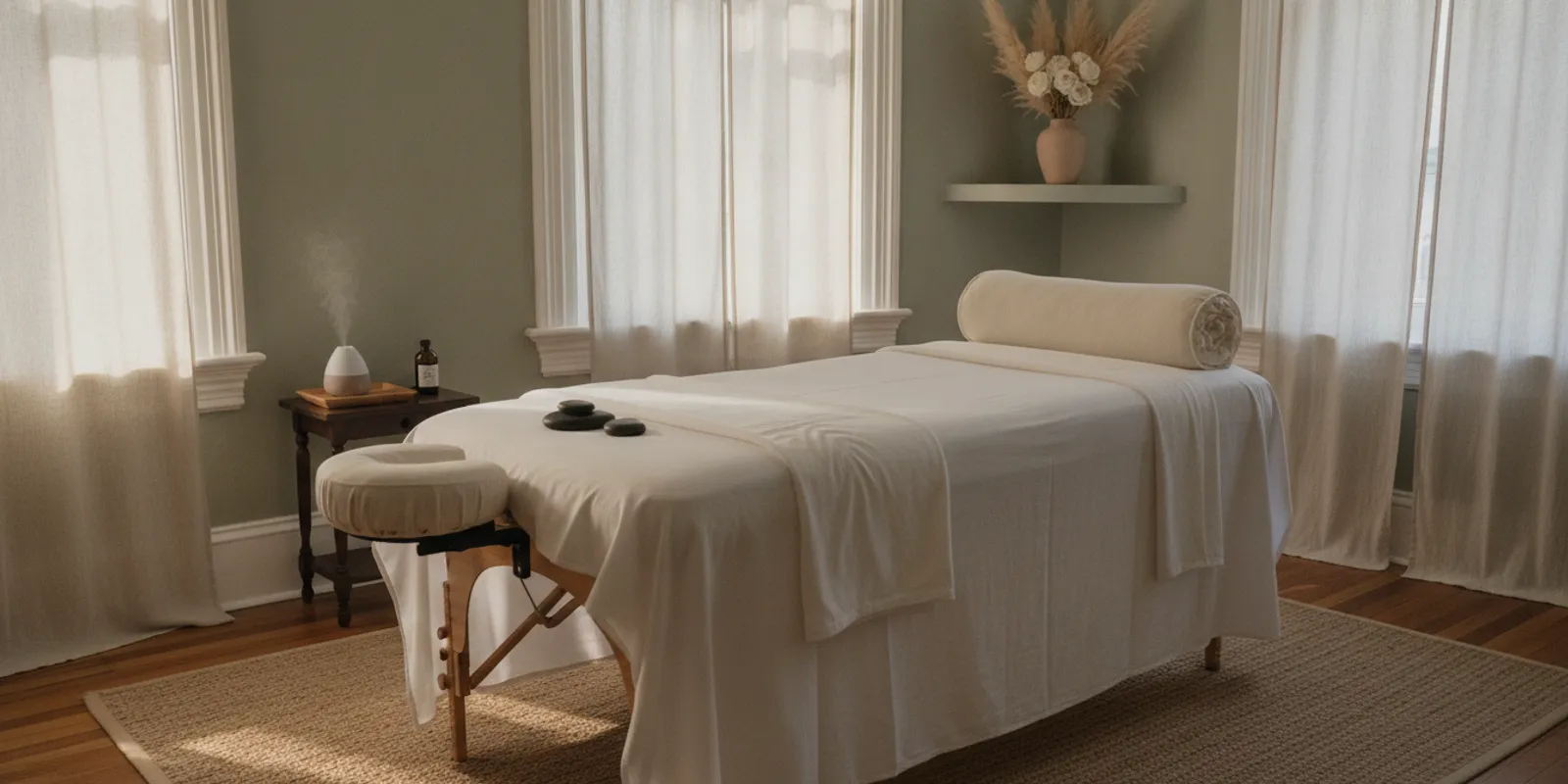

Living with lupus can make an ordinary massage decision more personal. Symptoms, medications, recent treatments, and day-to-day energy can all affect whether a session feels appropriate.
Book only after you have the guidance you need, and discuss your needs before confirming a session.
Start by asking your treating clinician whether massage is appropriate for you, then share your current symptoms, sensitive or swollen areas, medications, and comfort limits before the session. Massage should complement, not replace, your regular medical care.
Massage for lupus may be considered when your clinician agrees it is appropriate and the session can be adapted to your current condition. A conservative plan, clear communication, comfortable positioning, and permission to stop are more important than pursuing deep pressure or a particular modality.
That conversation can clarify what to disclose, what questions to ask, and when postponing is the safer choice.
What Should You Discuss Before Booking Massage for Lupus?
Before booking, start with a conversation with the clinician who manages your lupus. The Hospital for Special Surgery recommends consulting a doctor before beginning massage as an integrative therapy. And the Lupus Foundation of America likewise advises discussing complementary therapies with a doctor to determine whether they are safe for you. Your treating clinician can help you consider your current symptoms, recent changes in health, medications, and whether this is an appropriate time to schedule a session.
It can help to define what you hope to get from the appointment without assuming massage will treat lupus itself. Your goal might be general relaxation, support for muscle tension, or a comfortable way to care for yourself during a stable period. Share that goal with the therapist, then explain which symptoms are ongoing and which are new. HSS recommends distinguishing chronic discomfort from acute pain because that information can affect how a therapist approaches an area. Also identify body regions you want addressed and any areas you want avoided.
Bring relevant medical context to the conversation. This may include a current flare, swelling, open skin lesions, significant fatigue, recent infusion therapy, or medicines that could affect bruising, inflammation, healing, or your ability to sense pressure. You do not need to disclose more than is necessary for safe planning, but withholding information that could change the session is not a good tradeoff. If you are uncertain whether a symptom or treatment matters, ask your clinician before booking rather than relying on a general online guideline.
Massage should remain complementary care, not a replacement for prescribed lupus treatment. HSS describes integrative therapies as additions to regular treatment, while the Lupus Foundation notes that many complementary therapies have not been studied as extensively as conventional care and may not improve symptoms. For broader guidance on planning around inflammatory conditions, see our article on massage planning during inflammatory flares. A careful decision may mean booking, modifying the plan, or waiting until your clinician says the timing is reasonable.
How Can Massage for Lupus Be Planned More Safely?
A safer plan begins with the right therapist relationship, not with choosing the strongest technique. The Hospital for Special Surgery recommends looking for a massage therapist who understands lupus and has experience with chronic illness, especially autoimmune disease. Just as important, the therapist should listen to your description of symptoms and recognize that you are the expert on your body and lived experience. A therapist should never work past your point of comfort. HSS explains these therapist-selection considerations in its guidance on massage and lupus.
Before the session, describe what you want from the appointment and what you do not want. Identify areas you would like addressed, areas that should be avoided, and any boundaries around draping, positioning, touch, or pressure. You can also agree on a simple stop signal, such as saying “stop” or raising a hand. You do not need to justify a boundary once you have stated it. A thoughtful therapist will adjust without treating your feedback as a challenge.
Be specific about pain patterns. Tell the therapist which discomfort is chronic and familiar, and which pain is new, acute, or changing. According to HSS, that distinction can affect how the therapist approaches an area. Acute pain accompanied by swelling or inflammation may be a reason to avoid that area rather than massage through it. If you are unsure whether a symptom represents a flare or another health concern, ask your treating clinician before booking rather than relying on a massage consultation to make that determination.
Ask what pressure adjustments or technique options may be available, but do not assume any modification is appropriate for lupus. Use that question as an opening for a detailed conversation about what can be changed, then keep checking in during the session. For more ideas about communicating comfort during massage, focus on clear feedback before, during, and after the appointment.
What Pressure and Positioning Choices May Improve Comfort?
For someone considering massage for lupus, a conservative starting point may be more appropriate than pressure that feels intense or difficult to interpret. Hospital for Special Surgery cautions that modalities that may increase inflammation, including whole-body deep-tissue and hot-stone massage, may not be appropriate for people with lupus. That guidance differs from localized deep work prescribed by a physical therapist who is coordinating with the person’s doctor. Review these deep pressure safety considerations before selecting a technique.
Pressure is not something you need to tolerate to prove that a session is working. Ask the therapist to begin lightly, check in before increasing pressure, and pause when a sensation feels sharp, burning, unusually intense, or unclear. If pain medication affects how much you can feel, mention that before the session. HSS notes that painkillers can make it harder to recognize pressure that is too deep.
| Planning choice | Why it may matter | Question to ask |
|---|---|---|
| Light or moderate pressure | May provide a more cautious starting point when sensitivity or inflammation is a concern. | Can we begin lightly and reassess before changing pressure? |
| Side-lying or added support | Pillows and position changes may reduce strain on areas that feel tender or fatigued. | What position lets me stay supported without pressure on sensitive areas? |
| Leaving an area untouched | Acute pain with swelling or inflammation may be a reason to avoid that area. | Should this painful or swollen area be left alone today? |
Positioning should remain adjustable. You can request a pause to reposition your shoulders, hips, knees, or neck, and you can identify areas that should not be addressed. No modality or setup is automatically safe for every person with lupus. Discuss your plan with your treating clinician, then use your real-time feedback to decide whether the pressure and positioning remain appropriate.
When Should You Postpone a Massage During a Lupus Flare?
If lupus symptoms are actively flaring, postponing a massage is the more cautious choice. The Hospital for Special Surgery lists an active flare as a time when massage therapy is not recommended. A flare can involve changing pain, tenderness, fatigue, or inflammation, so a previously comfortable session may not be appropriate today. Ask your treating clinician when it is reasonable to reconsider massage rather than relying on a fixed calendar rule.
Open skin lesions are another reason to wait. Massage over broken or irritated skin can add discomfort and may create avoidable concerns about pressure, friction, and healing. Tell the studio before booking if your skin is not intact. And do not assume that avoiding one small area makes the rest of a session appropriate without medical guidance.
Acute swelling or inflammation also calls for caution. HSS notes that a therapist may avoid an area when pain or injury is acute and the area is swollen or inflamed. If symptoms are new, escalating, or noticeably different from your usual pattern, pause the appointment and contact your healthcare team. The decision is not simply about choosing lighter pressure, since the underlying change in symptoms may need medical attention.
Timing matters after infusion therapy as well. HSS advises against massage within two days of an infusion, especially when the infusion has left you fatigued or unwell. Because infusion medications can affect the body’s ability to heal, consult the prescribing doctor before scheduling a session. Reschedule if you feel sick, unusually weak, feverish, or unable to comfortably communicate what you need.
For a broader overview of when to postpone or modify massage, review the related safety guidance. When in doubt, medical direction comes before a booking. Massage for lupus should remain complementary support, not a substitute for evaluation or prescribed care.
How Do Medications and Recent Infusions Affect Session Planning?
Medication details can change how a massage should be planned, even when you feel ready for a session. Before scheduling, make a complete list of current medications, recent changes, and any infusion therapy. Include the reason for a medication when relevant, the date of a recent infusion, and symptoms you have noticed since treatment. You do not need to adjust or stop medication for massage. The goal is to give your treating clinician and massage therapist enough context to make an informed decision.
Hospital for Special Surgery explains that infusion medications can affect healing and may require doctor confirmation before massage. That guidance is especially important if you are fatigued, unwell, experiencing unusual skin changes, or recovering from a recent infusion. A clinician may advise waiting or rescheduling based on your treatment and current condition.
Which medication details matter?
Tell the care team and therapist if you use blood thinners or corticosteroids. These medications can make bruising or inflammation risk more relevant to session planning. Also disclose immunosuppressants. Your treating clinician may need to consider additional precautions or whether another appointment time would be more appropriate. Painkillers matter for a different reason: they can reduce your ability to notice when pressure is too deep. So the session may require especially clear communication and conservative choices.
What should you ask your treating clinician?
- Is massage appropriate with my current medications and symptoms?
- How long should I wait after my most recent infusion?
- Are there areas, techniques, or pressure levels I should avoid?
- What signs should prompt me to stop or postpone the session?
Share the clinician’s guidance before the appointment, then keep communicating during it. Medication information is not a formality. It helps the people involved distinguish a manageable comfort preference from a reason to pause, modify, or seek further medical direction.
What Should You Expect From a Thoughtful Massage Consultation?
A thoughtful consultation is a two-way conversation before the session begins. Explain your current symptoms, describe what feels comfortable, and ask how the session can be adapted. You remain the expert on your own body. The Hospital for Special Surgery recommends choosing a massage therapist who listens, respects your comfort point, and understands that your symptoms guide the conversation.
No standard massage approach is appropriate for every person with lupus, so ask direct questions rather than assuming a standard approach. Use this sequence to prepare:
- Before booking: Ask your treating clinician whether massage is appropriate, especially if symptoms are changing, you are recovering from illness, or you recently received treatment. HSS recommends medical consultation before beginning massage as an integrative therapy. Write down your goals, current concerns, medications, and any areas you want avoided.
- At the start: Tell the therapist which symptoms are acute and which are chronic, where you feel pain or tenderness, and what positions are difficult. Identify both focus areas and no-touch areas. This is also the right time to discuss pressure preferences, recent changes in health, and any boundaries that will help you feel secure.
- During the session: Expect ongoing comfort checks and speak up early if pressure, movement, temperature, or positioning feels wrong. A therapist should not work past your comfort point. You can request less pressure, a different position, a pause, or an end to the session at any time.
- Afterward: Note how your body responds over the next several hours and share useful feedback before considering another appointment. If symptoms worsen or a new concern develops, contact your treating clinician rather than treating massage as a substitute for medical care. For related guidance, review communicating comfort during massage.
This kind of preparation supports an informed decision about massage for lupus without promising that massage is suitable for every person or every stage of the condition.
Can Massage Support Comfort Without Replacing Medical Care?
Massage may be considered a complementary form of support, but it should remain separate from lupus diagnosis, treatment, and medication decisions. The Lupus Foundation of America explains that complementary therapies are used in addition to conventional treatment, while alternative therapies are used instead of it. For someone considering massage for lupus, that distinction matters: a session should not replace prescribed care, follow-up appointments, or guidance from a treating clinician.
Evidence also has limits. Many complementary therapies have not been studied as extensively as conventional treatments, so their effects can be difficult to determine. There is no guarantee that massage will improve lupus symptoms. A reasonable goal may be to explore whether a carefully planned session feels comfortable and supports your personal wellness routine, not to expect it to change the course of lupus.
One published case report described a person with systemic lupus erythematosus who received 20 minutes of massage and 20 minutes of acupuncture daily for 30 days. The authors reported lower pain scores and improvements in sleep measures and health-related quality of life after the intervention. However, this was a single case involving two therapies together, not a controlled study that can establish what caused the reported changes. The authors called the results encouraging but stated that larger studies are needed for validation. Read the full case report with that limitation in mind.
The practical boundary is simple: ask your treating clinician whether massage is appropriate for your current health circumstances, then share relevant information and comfort limits before the appointment. If you proceed, keep communication open and stop if the experience feels wrong. For additional context, review this guide to massage as complementary pain support.
Discuss your needs and book a session with NOLA Bliss Massage if your treating clinician has advised that massage is appropriate.
Frequently Asked Questions
Can people with lupus receive massage therapy?
Some people with lupus may be able to receive massage, but there is no universal yes or no. Discuss the plan with your treating clinician first, then share your symptoms, medications, and comfort limits with the therapist. Massage should complement, not replace, prescribed lupus care. The Lupus Foundation of America recommends discussing complementary therapies with a doctor.
What type of massage is best for lupus?
There is no single modality that is best for everyone. A cautious plan may involve lighter pressure, flexible positioning, and avoiding areas that are painful, swollen, or inflamed. Hospital for Special Surgery cautions against modalities that may increase inflammation, including whole-body deep-tissue and hot-stone massage: read its lupus massage guidance.
Is massage safe during a lupus flare?
Massage is generally a reason to pause and seek medical guidance during an active flare, especially with significant fatigue, swelling, inflammation, or open skin lesions. Hospital for Special Surgery lists active flares and open lesions among situations when massage is not recommended: review the clinical considerations.
What should I tell my massage therapist before a session?
Explain whether discomfort is acute or chronic, which areas you want addressed, and which areas should be avoided. Also disclose blood thinners, corticosteroids, pain medication, immunosuppressants, and infusion treatments. These details can affect pressure, bruising risk, healing considerations, and whether rescheduling is appropriate.
When should someone with lupus postpone a massage?
Postpone and contact your clinician when you are in an active flare, have open skin lesions, or feel unwell after an infusion. Hospital for Special Surgery specifically advises avoiding massage within two days of infusion therapy, particularly when the infusion caused fatigue or illness: see the source guidance.
Ready to Discuss Your Massage Needs?
If you have lupus, a brief conversation about your current symptoms, clinician guidance, comfort boundaries, and session goals can help you decide whether massage is appropriate to schedule. If your treating clinician has advised that booking is reasonable, book a massage with NOLA Bliss Massage or call 504-615-9414, then share any needs that may affect pressure, positioning, or timing.