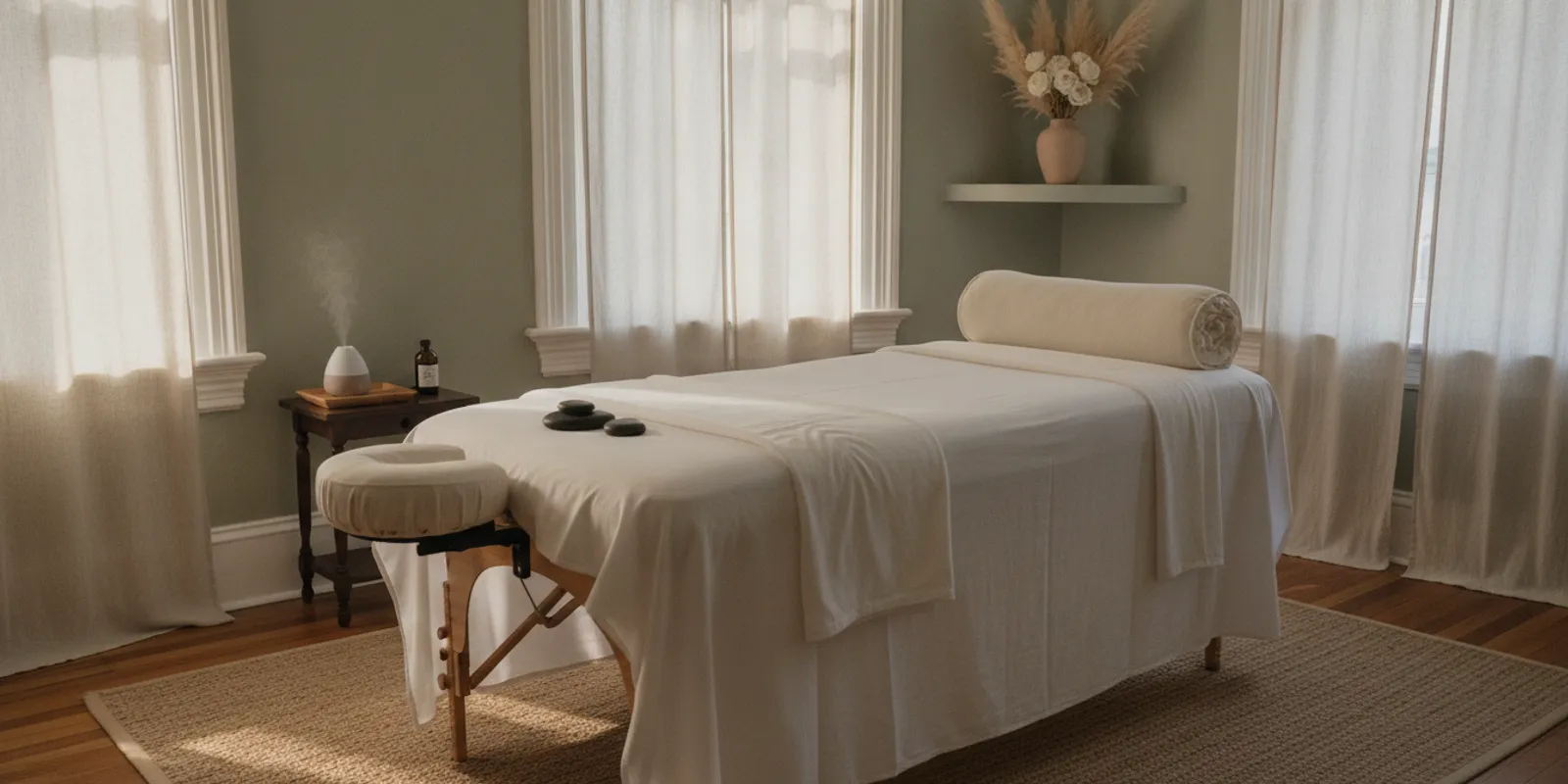

Restless legs can make an otherwise quiet evening feel surprisingly difficult, especially when discomfort or an urge to move appears during rest. Massage may offer a calm, comfort-focused option for some people, but it should be approached with realistic expectations rather than as a diagnosis or cure.
For some people, massage for restless legs may support temporary comfort, relaxation, or relief from related muscle tension. Results vary, and massage does not identify or treat every possible cause of restless legs symptoms. Persistent, worsening, new, one-sided, swollen, red, warm, painful, numb, weak, or sleep-disrupting symptoms deserve medical guidance before relying on bodywork.
A thoughtful session begins with an honest conversation about when the sensations occur, what makes them better or worse, and how much pressure feels appropriate. From there, the focus can stay on safe, individualized comfort while keeping medical follow-up in view. Understanding what massage can and cannot realistically offer is the best place to start.
Book your massage appointment online
What does massage for restless legs realistically offer?
Massage may offer a period of comfort when your legs feel tense, restless, or difficult to settle, but it cannot determine why those sensations are happening. A therapist can work with the soft tissues and adjust pressure to your preferences. That may help some people feel more relaxed or less aware of muscular tension for a time. Results vary, and temporary comfort is different from treating restless legs syndrome or another medical condition.
What does the recognizable pattern look like?
Restless legs syndrome, also called Willis-Ekbom disease. Is commonly described as uncomfortable sensations in the legs that appear or worsen while resting, sitting, lying down, or trying to sleep. The urge to move can be part of the experience. This pattern is not the same as ordinary post-exercise soreness, a tight calf after a long day, or a single tender muscle. A massage therapist may listen carefully to what you notice, but does not diagnose RLS or identify its underlying cause.
If your symptoms are new, persistent, worsening, painful, numb, weak, or interfering with sleep, medical evaluation deserves priority. RLS can have different contributing factors, and identifying the cause is part of appropriate clinical care. Massage should be considered supportive care, not a substitute for that process.
Where might comfort come from?
A comfort-focused session may address surrounding muscle tension, help you relax, and give you a chance to describe what changes with movement, rest, or pressure. NOLA Bliss uses an intake that includes medical history, pain assessment, goals, pressure preferences, and technique selection. That conversation helps the therapist choose a conservative starting point rather than assuming that deeper pressure is better.
For related guidance, see our article on massage for muscle tension. The goal is not to force a restless leg to be still or promise a symptom-free night. It is to create a thoughtful, adaptable session while keeping medical boundaries clear.
Book a therapeutic massage in Downtown New Orleans
Can massage help restless legs at night?
It may help some people feel more comfortable at bedtime, especially when the sensation is mixed with ordinary muscle tightness, stress, or difficulty settling down. That is a comfort-focused possibility, not a promise that massage will stop restless legs syndrome or prevent symptoms from returning. A response can vary from one person to the next, and even when a session feels helpful, the effect may be temporary.
What might massage change before sleep?
A calm, appropriately paced session may reduce the sense of muscular tension that makes it harder to relax. Gentle work can also give you a structured transition out of a demanding day. If your legs feel tight after travel, prolonged sitting, standing, or activity. Discussing that pattern with a massage therapist may help shape the session around comfort rather than intensity.
This is different from treating the underlying cause of restless legs syndrome. RLS is a medical condition with symptoms that often appear during rest or at night, and massage therapists do not diagnose it. A massage may support relaxation around the experience, but it does not replace an evaluation when symptoms are persistent, worsening, new, severe, or regularly disrupting sleep.
For related context, read about massage for muscle tension and how a therapist can adjust pressure and technique to your goals. Those considerations matter when leg discomfort feels more like localized tightness, but they should not be used to label or self-diagnose a neurological or circulatory problem.
Could better relaxation lead to better sleep?
Possibly. If physical tension or general stress is keeping you alert, relaxation may make it easier to settle. That does not mean massage can control nighttime leg sensations or guarantee uninterrupted sleep. Notice what happens over time instead of judging the session by one night. You might track when symptoms begin, whether movement changes them, and how long any comfort lasts. This information can be useful to share with a healthcare professional and your massage therapist.
Our guide to massage for better sleep offers broader relaxation context. At NOLA Bliss Massage, an intake helps clarify your history, goals, pressure preferences, and any relevant health information. Tell the therapist if a position or pressure feels uncomfortable, and pause the session if needed. If you have one-sided swelling, redness, warmth, significant pain, numbness, weakness, or sudden symptoms, seek medical guidance before massage rather than trying to work through them.
What does research say about massage for restless legs syndrome?
The research question is reasonable, but the evidence needs careful reading. A published academic paper on massage for restless legs syndrome describes a protocol for a systematic review and meta-analysis. In other words, the authors outlined how they planned to search for and evaluate relevant randomized trials. The protocol itself is not the completed review, and it is not proof that massage treats restless legs syndrome.
That distinction matters when you are deciding whether massage for restless legs belongs in your personal care plan. A research protocol can show that a question is important enough to investigate and can establish a method for assessing the available studies. It cannot show what the final analysis found, whether the included studies were consistent, or whether any observed benefit was large, lasting, and clinically meaningful. Without those results, it would be inaccurate to describe massage as an established treatment or cure.
What can the available research support?
The protocol identifies massage as a complementary and alternative medicine intervention and notes that some people with restless legs reported enjoying having their legs massaged. That kind of finding may be relevant to comfort and patient experience. It does not establish that massage addresses the cause of restless legs, prevents symptoms, or works in the same way for everyone.
A reasonable interpretation is that massage may be considered supportive care for relaxation or general muscle comfort when it is appropriate for the individual. Results may be temporary, limited, or absent. The experience can also depend on pressure, positioning, timing, the presence of muscle tension, and the underlying reason for the leg sensations. Evidence is limited and mixed enough that expectations should remain modest.
What can massage not establish?
A massage therapist cannot diagnose restless legs syndrome or determine whether symptoms relate to iron levels, medication effects, nerve concerns, pregnancy, circulation, or another health condition. Massage should not replace medical evaluation, prescribed treatment, or follow-up with a qualified clinician. Persistent, worsening, new, severe, one-sided, swollen, red, warm, painful, numb, weak, or sleep-disrupting symptoms deserve medical guidance before relying on hands-on care.
For a comfort-focused session, share your symptom history, medications, and relevant health information during intake. A therapist can then discuss goals, pressure tolerance, and whether a conservative approach is appropriate. That keeps massage in its proper role: a possible complement to healthcare, not a diagnosis or a promise of relief.
How should you prepare for a comfort-focused session?
- Track what you notice before the appointment. For a few days, note when the sensations begin, whether they occur while sitting or resting. What time of day they are most noticeable, and whether movement changes them. Also record possible triggers, such as a long car ride, extended desk time, exercise, or a poor night’s sleep. This pattern can help you describe your experience clearly. It does not establish a diagnosis, and a massage therapist cannot determine the cause of restless or uncomfortable legs.
- Share your health history and medicines during intake. Tell the therapist about relevant diagnoses, recent injuries or procedures, pregnancy, circulation or nerve concerns, and any prescription or over-the-counter medicines or supplements. NOLA Bliss Massage’s clinical approach includes medical-history intake, pain assessment, goal setting, and customized treatment planning. Complete information helps the therapist make safer decisions about positioning, pressure, technique, and session length. Do not stop or change a medicine because of a massage appointment.
- Begin conservatively. A first session does not need to be intense to be useful. Ask about a gentle or moderate approach that prioritizes comfort, especially if your legs feel sensitive, sore, or unusually reactive. Swedish massage can be adjusted from light to medium pressure, while deeper work should be considered only after a discussion of your needs. More pressure is not automatically better, and massage should not be used to push through unexplained pain.
- Explain your pressure and positioning preferences. Let the therapist know whether you prefer more or less pressure, extra support under your knees, a particular leg position, or less time spent in one area. Speak up immediately if a stretch, draping arrangement, temperature, or technique feels uncomfortable. You can request an adjustment, pause, or stop at any point. Clear feedback gives the therapist a chance to adapt the session rather than guessing.
- Leave time to assess how you feel afterward. Avoid scheduling the session so tightly that you must rush straight into travel, work, or strenuous activity. Notice whether your legs feel calmer, unchanged, or more irritated over the next several hours. Results vary, and temporary comfort does not explain or treat an underlying condition. If symptoms persist, worsen, become severe, or repeatedly interfere with sleep, arrange medical follow-up.
- Pause and seek medical guidance for warning signs. Do not massage sudden, unexplained one-sided swelling, redness, warmth, or pain before it has been evaluated by a healthcare professional. Those symptoms need prompt medical attention rather than experimentation with pressure. Chest pain or shortness of breath is an emergency: seek emergency care immediately. A comfort-focused session is appropriate only when the situation is suitable for massage and your healthcare team has addressed any concerning symptoms.
Which massage approach may feel most comfortable?
There is no single best technique for every person seeking massage for restless legs. Comfort depends on your symptom pattern, health history, pressure tolerance, and what you want from the session. A deeper or more intense approach is not automatically better. The most useful starting point is an honest intake conversation, followed by a conservative technique choice that can be adjusted as you go.
| Approach | What it may feel like | When to discuss it |
|---|---|---|
| Swedish massage | Long, flowing strokes with light to medium pressure that can be adjusted during the session. | A reasonable option when relaxation and gentle, adaptable work are the priority. |
| Customized therapeutic or deep tissue work | More focused attention and pressure for areas of muscular tightness, with intensity tailored to you. | Useful to discuss when the legs also feel muscularly tense, but stronger pressure should never be assumed to be the goal. |
| Ashiatsu | Deep, consistent pressure delivered with therapist support from an overhead bar. | Consider only after discussing your goals, health history, and tolerance for deeper work. It is not automatically a better fit. |
| Warmth or other enhancements | A comfort-focused addition when appropriate and available, rather than a treatment for an underlying condition. | Ask what is suitable for you, especially if you have circulation concerns, altered sensation, or other medical considerations. |
Swedish work may suit someone who wants a calmer session with pressure that can move from lighter to moderate. You can read more about Swedish massage techniques before booking. If your concern is localized muscular tightness, a customized therapeutic approach may be worth discussing. NOLA Bliss can adapt pressure and technique selection rather than treating a preset routine as the answer.
Ashiatsu is a distinct option, not simply an upgraded version of table massage. The Ashiatsu massage option involves deeper, consistent pressure, so it may not be appropriate for every person or every symptom pattern. Share relevant health information before choosing it, and speak up immediately if the pressure, position, or sensation feels wrong.
The studio’s New Orleans massage services can be a starting point for comparing options. If symptoms are new, worsening, severe, one-sided, swollen, red, warm, painful, numb, weak. Or disrupting sleep, ask a healthcare professional for guidance before using massage as a comfort measure.
What should you tell your massage therapist?
A useful intake gives your massage therapist a clearer picture of what you are experiencing, without turning the session into a diagnosis. Start by describing where you notice the sensations, whether they affect one or both legs, and how they feel. You might mention crawling, pulling, tightness, aching, or an urge to move, but avoid assuming that a particular symptom has a specific cause.
Timing and patterns are just as important as location. Explain whether the sensations appear after exercise, during periods of rest, in the evening, or when you are trying to sleep. Tell the therapist what movement does to them and whether walking, stretching, changing position, or gentle self-care affects your comfort. If symptoms interrupt sleep or are becoming more frequent, say so clearly. That information may also help you decide whether a healthcare professional should evaluate the problem before massage.
Share your health history and goals
During intake, include relevant health conditions, recent injuries or procedures, pregnancy, circulation concerns, nerve symptoms, and all medications or supplements you take. You do not need to know which details matter medically. Sharing them allows the therapist to consider positioning, pressure, technique selection, and whether the session should be modified or postponed. A massage therapist can adapt care, but cannot diagnose restless legs or determine whether an underlying medical issue is responsible.
Then explain what you hope to get from the appointment. Your goal might be relaxation, less awareness of muscle tension, easier movement, or a more comfortable bedtime routine. If exercise soreness or training load is part of the picture, the guidance in massage and recovery tips may offer useful context. For ongoing tightness, you can also review massage for muscle tension without treating either resource as a substitute for medical advice.
Be specific about pressure and consent
Tell your therapist what pressure feels appropriate, including areas that feel tender or should be avoided. Light, moderate, or deeper work is not a test of effectiveness. The right choice depends on your tolerance, goals, health history, and how your body responds that day. Speak up immediately if pressure, temperature, draping, or positioning feels uncomfortable. You can request a pause, a change in technique, or an end to the session at any time. Clear communication helps create individualized care and keeps comfort and consent central throughout the appointment.
When should you ask a clinician before booking?
Massage can be a comfort-focused option for some people, but it should not be the first response to every unexplained leg sensation. Ask a healthcare professional before booking if your symptoms are new, persistent, worsening, severe, or interfering with sleep. A clinician can help determine whether the pattern fits restless legs syndrome, muscle tension, a medication effect, an injury, or another health concern. Massage therapists can adjust pressure and positioning, but they do not diagnose the cause of symptoms.
It is especially important to pause and seek medical guidance when the sensation is different from your usual experience. New numbness, weakness, significant pain, or symptoms that continue despite rest deserve evaluation rather than repeated attempts at self-care. The NOLA Bliss clinical approach includes medical-history intake and pain assessment, but that intake supports safe session planning and does not replace medical evaluation. Learn more about the studio’s therapeutic approach.
Ask first about ongoing, changing, or sleep-disrupting symptoms
Make a clinician appointment if the discomfort keeps returning, becomes more intense, spreads, or begins to affect your sleep or daily activities. Also ask about symptoms that have no clear explanation, particularly if they started after a medication change or alongside another health change. Bring a simple record of when the sensations occur, whether they appear while resting, what movement does, and how often they disturb sleep. That information can make the medical conversation more useful.
Do not stop or change prescribed medication on your own. Instead, tell your clinician and massage therapist what you take, including prescription medicines, over-the-counter products, and supplements. Relevant health information helps the therapist make safer decisions about positioning, pressure, and whether the session should wait. The studio specifically asks clients to share symptom history, medications, and other relevant health information during intake.
Use extra caution with pregnancy, surgery, injury, neuropathy, or circulation concerns
Speak with the appropriate healthcare professional before scheduling if you are pregnant, recently had surgery. Are recovering from an injury, have neuropathy, or have been told you have a circulation or bleeding concern. Pregnancy-related symptoms need prenatal-provider guidance before massage. If that applies to you, review prenatal leg massage safety and follow the recommendations of your prenatal care team. A massage therapist can work within those recommendations, not substitute for them.
Likewise, do not assume that deeper pressure is more appropriate for medically unexplained symptoms. Share any diagnosis, restrictions, recent procedures, or clinician recommendations during intake. A conservative, customized plan may be more suitable, or the safest choice may be to postpone the appointment until you have medical clearance.
Do not massage sudden one-sided swelling or emergency symptoms
Do not book a massage as the next step for sudden swelling, redness, warmth, or pain affecting one leg, especially when the change is unexplained. Seek prompt medical evaluation instead. Those signs need assessment before pressure or manipulation is considered. Chest pain or shortness of breath requires emergency care. Call emergency services rather than trying to manage those symptoms with massage.
Once a clinician has evaluated a concerning pattern and confirms that massage is appropriate, share the guidance with the therapist. A comfort-focused session can then be planned around your health history, goals, and pressure tolerance, with permission to pause or change the approach at any time.
Frequently Asked Questions
What kind of massage is best for restless legs?
There is no single best approach for everyone. A customized Swedish session may be a comfortable starting point because the pressure can range from light to medium. While deep tissue work may suit someone whose main concern is localized muscle tension. The right choice depends on your symptoms, pressure tolerance, health history, and goals. A massage therapist can adjust the technique during intake and throughout the session, but cannot diagnose restless legs syndrome or its cause.
Can massage stop restless legs immediately?
Massage may help some people feel more relaxed or comfortable for a period of time, but immediate or lasting relief is not guaranteed. Results vary, and massage should be viewed as supportive wellness care rather than a cure. Rubbing the legs or moving around may feel temporarily helpful for some people. But recurring symptoms still deserve attention from a healthcare professional, especially when they interfere with rest or sleep.
Where should pressure be applied for restless legs?
Pressure should not be chosen from a universal pressure-point chart. Tell your therapist where you feel sensations, whether they occur in the calves, thighs, feet, or elsewhere, and what pressure feels tolerable. The therapist can then work conservatively and adjust positioning or technique. Do not ask for massage over sudden, unexplained, one-sided swelling, redness, warmth, or pain before medical evaluation.
What should I tell my massage therapist before a session?
Share when the sensations began, how often they occur, what makes them better or worse, whether they affect sleep, and what you hope the session will accomplish. Also disclose medications, pregnancy, recent procedures, circulation concerns, nerve symptoms, and relevant medical guidance. During the session, speak up immediately if pressure, stretching, temperature, or positioning feels uncomfortable. Clear communication allows the treatment to remain focused on comfort and safety.
Should I see a doctor before booking massage for restless legs?
Ask a healthcare professional first if symptoms are new, persistent, worsening, severe, unexplained, one-sided, painful, swollen, red, warm, numb, weak, or disruptive to sleep. Restless legs can occur alongside other health factors, medication effects, or medical conditions, so identifying a cause is an important part of appropriate care. Chest pain or shortness of breath requires emergency care, not massage.
Can I get a massage if I am pregnant and have restless legs?
Pregnancy-related leg symptoms require pregnancy-specific precautions and guidance from your prenatal care provider. Ask your provider whether massage is appropriate, then tell the studio that you are pregnant when scheduling and during intake. Positioning, pressure, and technique may need to be modified, and massage should not replace evaluation of new or concerning symptoms.
Ready to explore a comfort-focused massage?
If restless legs are affecting your comfort, a thoughtful session may help you identify what pressure, positioning, and massage approach feel most supportive for your body. NOLA Bliss Massage offers customized therapeutic care in Downtown New Orleans, with time to discuss your goals and relevant health information before the session. Massage is not a diagnosis or substitute for medical guidance, so speak with a healthcare professional first if symptoms are new, severe, worsening, one-sided, or disrupting your sleep. When you are ready to take the next step, book an appointment online.
Book a comfort-focused massage appointment with NOLA Bliss Massage