
Outer-knee pain can make a run, bike ride, long walk, or full day at a convention surprisingly difficult. The challenge is figuring out what the discomfort may mean and choosing support that does not push through a potentially irritated area.
It band syndrome massage may help address tension in nearby muscles and support comfort, but it is not a diagnosis or stand-alone cure. A better plan usually combines activity modification, appropriate clinical evaluation, and individualized hands-on care that stays within your tolerance and any existing treatment plan.
IT band syndrome is one possible explanation for pain along the outside of the knee, especially in active people, but similar symptoms can have other causes. Start by recognizing the typical pattern, then consider when professional guidance is the right next step.
Book a therapeutic massage appointment in New Orleans
What Does IT Band Syndrome Feel Like?
The iliotibial band, often called the IT band, is a strong strip of connective tissue along the outside of the thigh. It continues from the tensor fascia lata and gluteal muscles toward the knee, passing over the vastus lateralis before attaching near the outer knee. When this tissue becomes irritated where it moves near the hip or knee. The result may be lateral knee pain rather than a problem that can be confirmed by symptoms alone.
People commonly describe IT band irritation as tenderness or a sharp, burning sensation on the outside of the knee, sometimes about 2 centimeters above the joint line. Symptoms may become more noticeable during repetitive activities such as running, cycling, or skating because repeated hip and knee motion places ongoing demand on the area. IT band syndrome is a common source of lateral knee pain in athletes, but outer-knee discomfort can have other causes as well.
What factors may contribute to symptoms?
Risk factors associated with IT band syndrome include frequent exercise, inward rotation of the foot or leg during movement. And differences in leg structure such as bowed legs or unequal leg length. Weakness in the hip, buttock, or abdominal muscles is also listed as a possible contributing trait. These associations are not a personal diagnosis. Movement patterns, training changes, footwear, prior injuries, and the exact location of pain all require context.
For that reason, do not assume every ache on the outside of your knee is IT band syndrome. Pain that is persistent, severe, worsening, swollen, or limiting normal walking or activity deserves evaluation by a qualified healthcare professional. A clinician can consider other knee, hip, tendon, or joint conditions and advise whether activity changes or further assessment are appropriate.
Massage may be considered as complementary support when it fits your overall care plan, but it should not replace medical evaluation. A therapist may ask about your symptoms, training, tolerance, and goals before choosing an approach for surrounding muscle tension. If hip tightness is part of your broader mobility concern, you can also review this guide to massage for tight hips while keeping the distinction between general self-care information and individualized clinical guidance.
How Can It Band Syndrome Massage Support Recovery?
Effective massage does not require forcefully pressing along the iliotibial band. The band is a strong fascial structure that continues from tissues including the tensor fascia lata and gluteal muscles. Extending along the outside of the leg toward the knee. When irritation is present near the hip or knee, direct, aggressive pressure may be uncomfortable and may not address the factors contributing to that sensitivity.
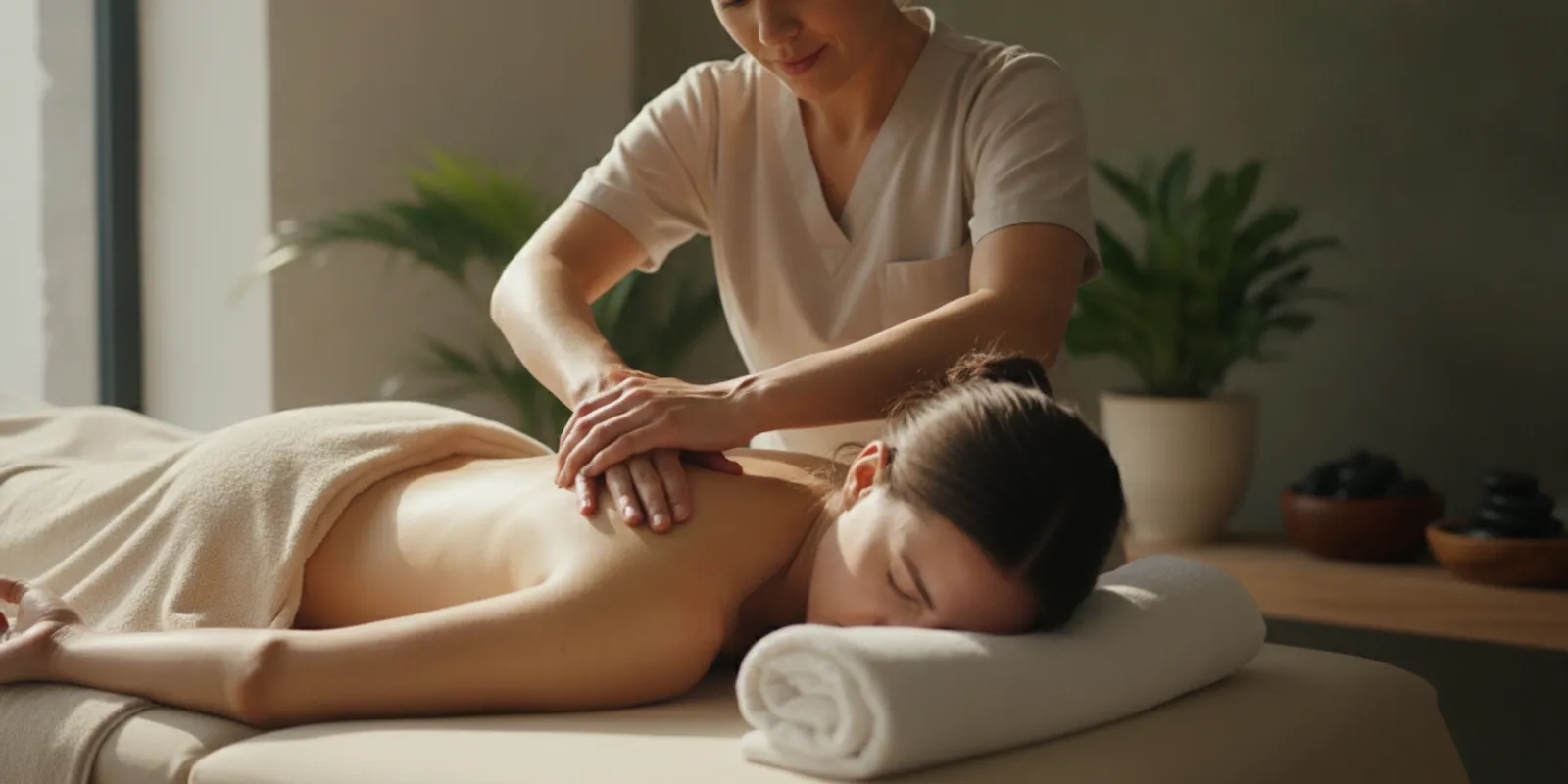
A more useful session may focus on the surrounding hip, glute, outer thigh, and related muscle groups. The goal is to reduce manageable soft-tissue tension and improve comfort with movement, not to claim that massage repairs the band or cures IT band syndrome. Because the condition can have multiple contributing factors, there is no single conservative treatment plan supported for every person. A systematic review found no consensus on one optimal regimen, while hip-abductor strengthening appeared commonly in the research, sometimes alongside manual therapy. Read the systematic review for the limits of that evidence.
What might an individualized session include?
A qualified therapist should begin with questions about when symptoms started, which activities aggravate them, current medical care, and what pressure you can comfortably tolerate. That intake helps distinguish a request for general muscle tension relief from symptoms that need evaluation by a physician, physical therapist, or other qualified healthcare professional. Persistent, severe, worsening, or function-limiting outer-knee pain should not be managed with massage alone.
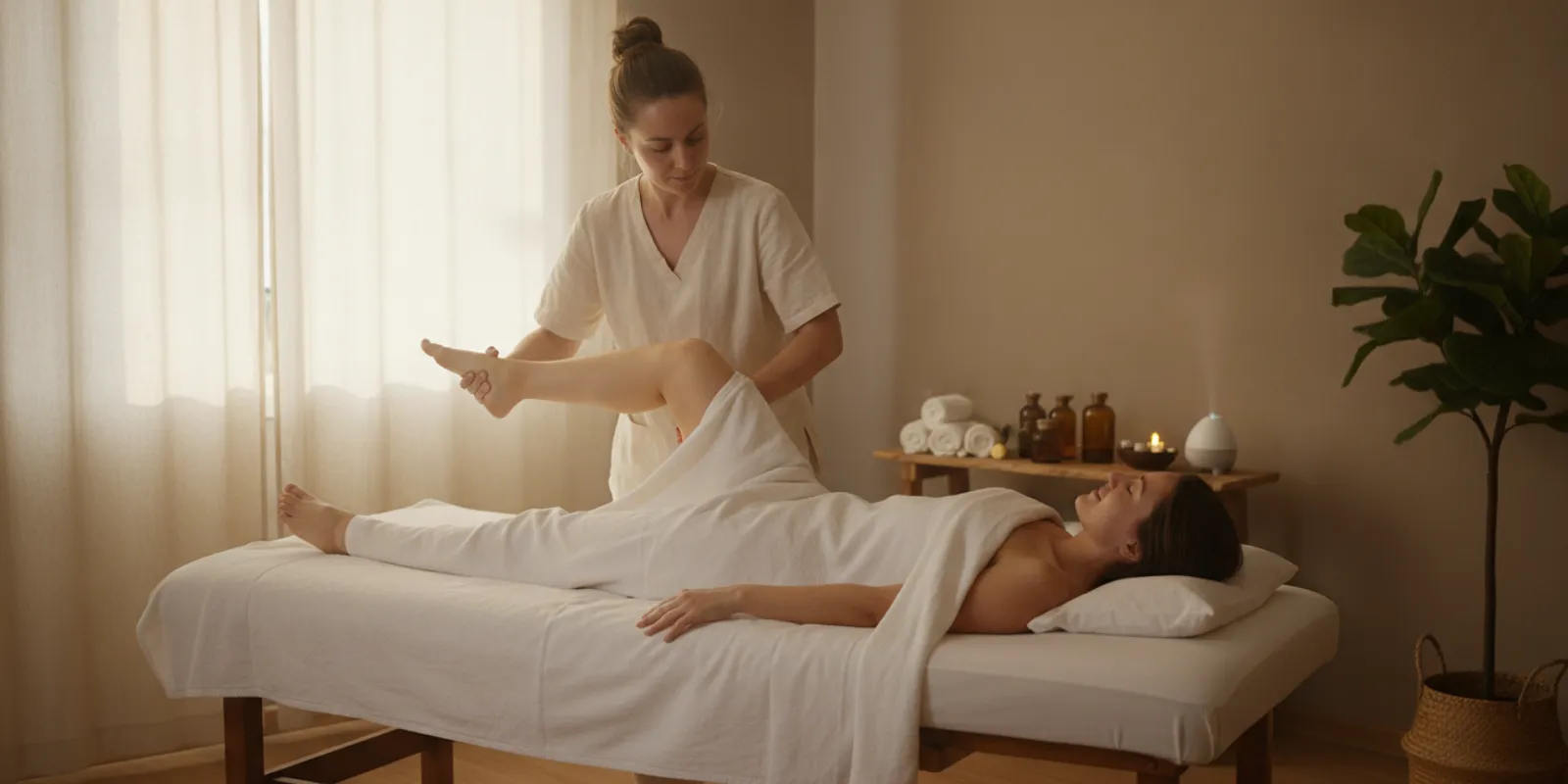
During the session, pressure and technique can be adjusted based on your feedback. Work may include surrounding gluteal and hip tissues, the thigh, or other areas identified during the intake, while avoiding pressure that reproduces sharp or escalating pain. NOLA Bliss therapists are licensed in Louisiana, average more than 10 years of experience as a team, and customize technique and pressure to client needs and tolerance. They can also work within an existing medical treatment plan, while keeping the scope of massage distinct from diagnosis or physical therapy.
Massage fits best as complementary support. Research on IT band syndrome suggests that conservative care may combine several approaches, including appropriate strengthening and manual therapy, rather than relying on one intervention alone. If your symptoms are connected to running, a related guide to sports massage for runners offers broader context for planning therapeutic support around training.
What Should a Better IT Band Recovery Plan Include?
- Pause or modify the activity that provokes symptoms. Repetitive hip and knee use during running, biking, or skating can place pressure on the IT band, and continuing the triggering activity may prolong irritation. Cleveland Clinic identifies stopping that activity as an important first step. That does not necessarily mean abandoning movement altogether. A qualified professional can help you identify a tolerable alternative while symptoms settle. Read the source guidance on activity modification.
- Seek an evaluation when symptoms do not behave like ordinary post-exercise soreness. Persistent, severe, worsening, or function-limiting outer-knee pain deserves assessment by a qualified healthcare professional. IT band syndrome is one possible explanation for lateral knee pain, but self-diagnosis can miss other problems. An evaluation can clarify the working diagnosis and identify whether additional care is appropriate.
- Address strength and movement with the right professional. A systematic review found no single agreed-upon conservative regimen for IT band syndrome. Hip-abductor strengthening was common across the included studies, sometimes alongside manual therapy, but that finding does not turn one exercise plan into a universal prescription. A physical therapist or other qualified clinician can assess your activity, movement, strength, and tolerance, then determine what rehabilitation work fits your situation. Review the evidence on conservative IT band care.
- Use massage as complementary support. Skilled massage may fit alongside an appropriate medical or rehabilitation plan, especially when surrounding hip, gluteal, thigh, or other muscle tension affects comfort. It should not be presented as a stand-alone cure or a replacement for evaluation. At NOLA Bliss, therapists adjust technique and pressure to the client’s needs and tolerance, and work within medical treatment plans. For related recovery context, see these post-workout massage recovery tips.
- Return to activity gradually, using symptoms and professional guidance as feedback. Study findings have reported different pain and function changes across specific interventions and time ranges, including outcomes measured over two to eight weeks. Those ranges describe the studies, not a promise about your recovery. The safest progression depends on the original problem, response to care, and guidance from your healthcare professional. Increase activity only when your symptoms and function support that next step, rather than forcing a preset timeline.
A thoughtful plan connects activity modification, evaluation, targeted rehabilitation, complementary care, and a measured return. Massage can be one useful part of that broader process when its role and limits are clear.
Is a Massage Gun or Direct Foam Rolling Safe for IT Band Pain?
Direct pressure is not automatically better for pain along the outside of the knee. The iliotibial band is a strong fascial structure extending along the outside of the leg. And symptoms may involve irritation near the hip or knee rather than a simple knot that needs to be forced loose. If a massage gun or foam roller produces sharp pain, increased burning, swelling, numbness, or symptoms that linger afterward, stop and seek guidance from a qualified healthcare professional.
Research offers limited support for carefully selected percussive work, but it does not establish a universal massage-gun protocol for IT band syndrome. One study involved 50 field athletes between ages 20 and 35 and measured immediate changes in pain and range of motion after percussive massage. The participants reported a short-term improvement, but the study population and immediate outcome do not prove that repeated direct treatment is safe or effective for every person. Read the percussive massage study.
| Approach | What it may offer | Important limit |
|---|---|---|
| Direct force on the band | May feel like it is targeting the painful area. | Aggressive pressure can aggravate a sensitive area and does not identify the cause of the pain. |
| Work on surrounding tissues | May address tension in nearby gluteal, hip, and thigh muscles with less direct force. | Pressure and technique still need to match your symptoms and tolerance. |
| Professional massage | Allows an intake, communication about pressure, and individualized work within an appropriate care plan. | Massage is complementary support, not a diagnosis or replacement for rehabilitation or medical evaluation. |
| Medical evaluation | Helps assess persistent, severe, worsening, or function-limiting symptoms and rule out other causes. | Massage tools cannot provide this assessment. |
Foam rolling evidence is also narrow. A cycling study compared 11 participants in each group and reported differences in pain, flexibility, and cycling performance after self-myofascial release. That finding may inform research, but it is not a prescription for rolling directly over a painful band. A safer general principle is to avoid forcing a painful structure and discuss any self-treatment with a clinician or therapist who understands your symptoms.
When appropriate, a licensed massage therapist can focus on surrounding tissues and adjust pressure in real time rather than repeatedly driving a tool over the most tender spot. NOLA Bliss therapists use an intake, pain assessment, and goal discussion to tailor therapeutic work. For active clients, massage for runner leg recovery can provide related context, but persistent or worsening pain still deserves qualified medical evaluation.
How Do You Choose IT Band Syndrome Massage in New Orleans?
Start by choosing a licensed therapist who treats your symptoms as part of a broader health picture. Rather than assuming every case of outer-knee pain needs the same technique. A useful intake should cover where you feel discomfort, when it began, activities that aggravate it, relevant medical history, and what you hope to do more comfortably. That information helps the therapist decide whether massage is appropriate and how to adjust pressure and technique.
During the session, communicate clearly. Tell your therapist if pressure feels sharp, too intense, or different from the discomfort you normally notice. Effective therapeutic work does not require forcing through pain. A condition-aware therapist can focus on surrounding areas, such as the hip, gluteal muscles, and thigh, while avoiding claims that massage alone diagnoses or treats IT band syndrome. Persistent, severe, worsening, or function-limiting symptoms should be assessed by a qualified healthcare professional.
Ask how massage would fit with the rest of your plan. Research has not established one optimal conservative approach for every person with IT band syndrome, and recovery may involve activity changes, strength or movement work, and medical guidance. Massage can be complementary support, not a replacement for physical therapy, sports medicine, or another appropriate evaluation. NOLA Bliss therapists work within medical treatment plans and customize care to each client’s needs and tolerance. You can also review sports massage recovery in New Orleans for related recovery considerations.
NOLA Bliss is an appointment-only therapeutic massage studio in Downtown New Orleans’ Warehouse District. The team includes Louisiana-licensed therapists with an average of more than 10 years of experience. Its therapeutic options include customized approaches such as deep tissue and Swedish massage. But the studio does not present massage as a direct IT band syndrome treatment or a substitute for diagnosis.
For residents, visitors, and convention attendees, the location is near the Convention Center and major hotels, with free parking. Same-day appointments are normally available, although availability can change. Explore the studio’s therapeutic massage services in New Orleans to compare general options, then discuss your symptoms and goals during the intake.
Book your individualized therapeutic massage appointment
Frequently Asked Questions
How often should I massage my IT band?
There is no universally supported schedule. Frequency should depend on your symptoms, activity, recovery response, and guidance from a qualified healthcare professional. Massage is usually best treated as complementary support, not a stand-alone cure. If pressure increases sharp outer-knee pain, swelling, or irritation, stop and seek an evaluation rather than trying to massage through it.
Is it okay to use a massage gun on the IT band?
Use caution, especially directly over a painful area. One small study of 50 athletes ages 20 to 35 found immediate changes in pain and range of motion after percussive massage. But that result does not establish a universal treatment or long-term benefit (study details). A gentler approach focused on surrounding tissues may be more appropriate, and a therapist can help you stay within a tolerable level.
How can I release a tight IT band?
You cannot reliably solve every cause of outer-knee pain by forcing the band to loosen. A better plan may include temporarily modifying the activity that provokes symptoms. Addressing movement or strength with a qualified professional, and using massage for surrounding hip, glute, and thigh tissues. Research reviews have not found one agreed standard of care for this condition (systematic review).
How long does it take to loosen a tight IT band?
It varies by the cause, symptom severity, activity demands, and response to care. There is no dependable massage-only timeline. Persistent, severe, worsening, or function-limiting pain deserves evaluation by a qualified healthcare professional. Do not use temporary relief as permission to return immediately to the activity that triggered the symptoms.
Ready to plan your next step?
If you are looking for individualized therapeutic support in Downtown New Orleans. An appointment can give you space to discuss your goals, activity history, and comfort preferences before massage begins. NOLA Bliss Massage can help you choose an approach that fits your needs while keeping your broader recovery plan in view. Massage is complementary support, not a diagnosis or substitute for medical evaluation when symptoms are severe, persistent, or worsening.
Book an individualized therapeutic massage appointment in Downtown New Orleans.