
A scoliosis diagnosis does not tell you exactly where you feel tension, what positions feel comfortable, or how your body will respond to touch. Those details matter when deciding whether massage belongs in your broader care plan.
Book your massage appointment online
Massage for scoliosis may offer individualized support for muscle tension, comfort, and movement, but it cannot straighten the spine, cure scoliosis, or replace medical care. Research on manual therapy remains limited, so goals should be practical and personal rather than promises of structural change. A thoughtful session begins with an intake, clear consent, adaptable positioning, and pressure that stays within your tolerance.
The right approach depends on your symptoms, history, current treatment plan, and communication with your care team. Start by considering what massage can realistically support, and where its role should remain complementary.
What Can Massage for Scoliosis Realistically Support?
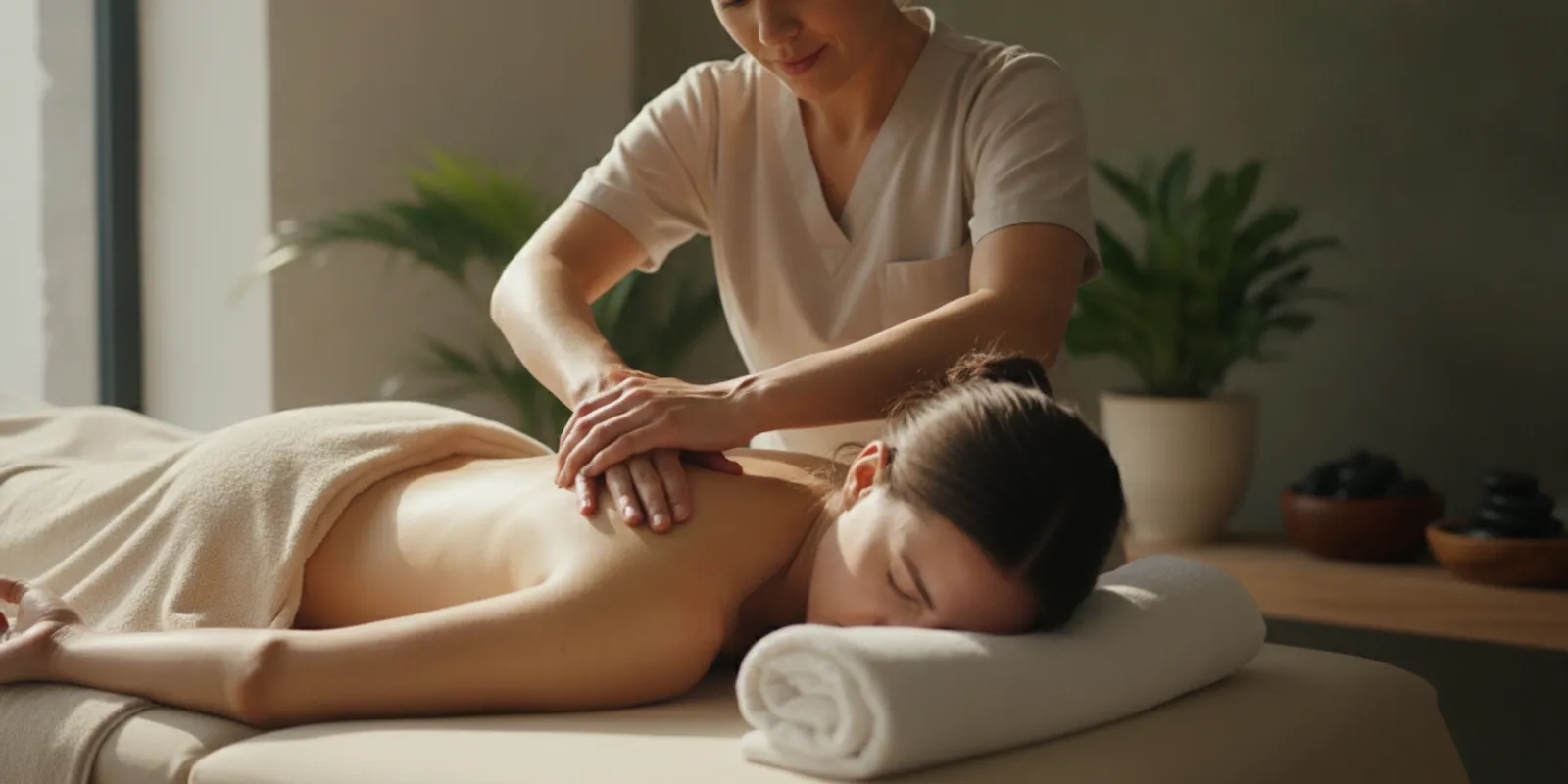
Massage may be useful for some people with scoliosis when the goal is symptom support rather than structural change. A session can focus on areas of muscular tension, guarded movement, or discomfort that develop around an individual’s movement patterns. The practical question is not whether massage can straighten the spine. It cannot. The better question is whether thoughtful, comfortable treatment may help you feel less tense, move more comfortably, or manage certain symptoms as part of a broader care plan.
Research on manual therapy for scoliosis is limited. A systematic review found that the available studies did not support a firm conclusion about its effectiveness for adolescent idiopathic scoliosis. And the studies often combined manual techniques with other approaches. That means massage should not be presented as proven treatment for the underlying curve or as a substitute for evaluation by a physician or physical therapist. Read the systematic review for its evidence limitations.
Possible areas of support
For an appropriate client, realistic goals may include reducing the sense of muscle tightness, supporting relaxation, and making everyday movement feel more manageable. Comfort is individual. One person may want help with back or shoulder tension, while another may be more concerned about fatigue, sleep, or maintaining comfortable function during work and daily activities. A therapist should listen to those goals instead of assuming that every scoliosis-related concern looks the same.
A consumer health article describes a report in which massage provided twice weekly over eight weeks was associated with improvements in reported pain, sleep patterns, and functional limitations. That finding is not a guarantee, and it does not establish that massage changes a spinal curve. It is best used as a reason to discuss measurable, personal goals and observe how your body responds over time, not as a promise of a specific result.
What massage does not do
Scoliosis involves a structural spinal curve, sometimes with rotation. Massage does not diagnose scoliosis, determine its severity, or correct that structure. It also should not replace a medical treatment plan. If symptoms are new, severe, changing, or neurological, seek appropriate medical guidance before scheduling bodywork.
If posture and movement habits are part of your goals, our guide to massage for posture support offers related context. During an appointment, share your diagnosis, symptoms, prior procedures, medications, and clinician guidance so the therapist can help determine whether massage is an appropriate form of complementary support.
What Should You Discuss During Intake?
A useful intake gives your therapist the context needed to plan care around your actual experience, not an assumption about what scoliosis looks or feels like. Start by sharing what you know about your diagnosis, including when it was identified and any information you have about your curve history. You do not need to arrive with a complete medical file. If you are unsure of the details, say so. A massage therapist should not diagnose scoliosis or determine whether your spinal curve has changed.
Describe your current symptoms as specifically as you can. Mention where you feel discomfort, whether symptoms are constant or intermittent, what activities affect them, and whether you notice changes in movement, sleep, or daily function. Pain assessment and goal setting are part of a comprehensive intake, so explain what you hope to support. Your goal might be easing muscle tension, feeling more comfortable during movement, or learning whether massage is an appropriate complement to your broader care. For related context, see this guide to massage for back pain relief.
What health information should you bring up?
Disclose previous surgeries, current medications, relevant medical conditions, and any guidance from your physician, physical therapist, or other clinician. Include changes since your last appointment, even if they seem unrelated to massage. This information can affect whether a session should be modified, postponed, or coordinated with another part of your treatment plan. It also helps establish professional boundaries: massage is complementary support, not a substitute for medical evaluation or prescribed care.
How will you know whether the plan is helping?
Ask how progress will be monitored and agree on what comfortable, useful change would look like for you. A customized plan may be revisited based on your tolerance, symptoms, and goals rather than followed as a fixed scoliosis protocol. Speak up during the session if pressure or positioning does not feel right. If you have new, severe, changing, or neurologic symptoms, seek appropriate medical guidance before relying on massage.
How Are Positioning and Comfort Adapted?
There is no single position that suits everyone with scoliosis. A comfortable setup depends on your symptoms, mobility, breathing, treatment goals, and how your body responds that day. The therapist should treat positioning as part of the assessment, not as a fixed protocol tied to a particular curve pattern.
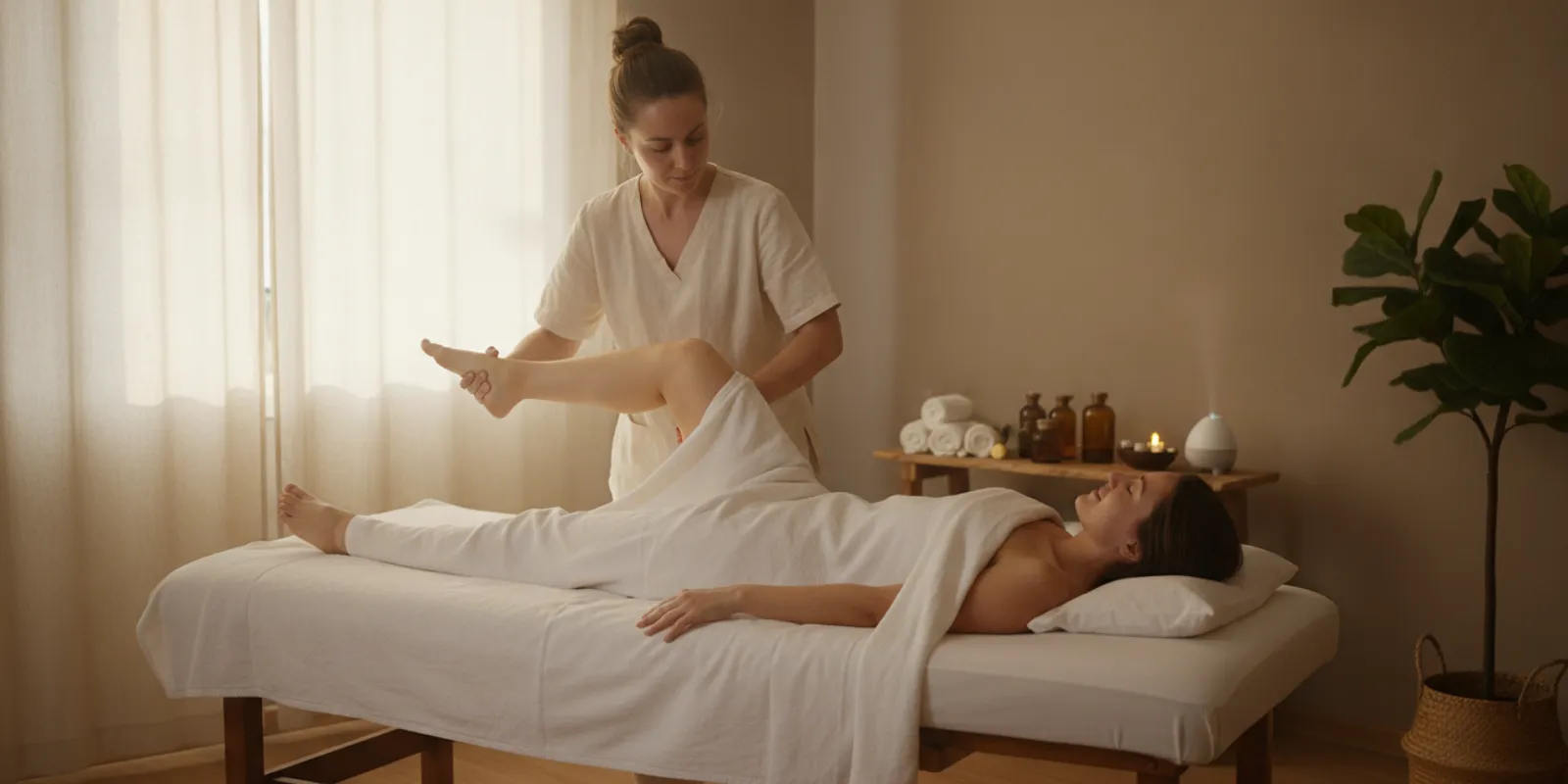
Support may be adjusted with cushions or bolsters, changes in joint position, or a different starting posture. Some clients may be more comfortable on their side, while others may tolerate lying on their back or stomach with modifications. The important point is not choosing one universally correct position. It is creating enough support that you can relax without guarding, straining, or feeling pressure in a sensitive area.
What should a comfort check include?
Before hands-on work begins, tell the therapist where you feel pain, tension, numbness, pressure, or restricted movement. Also mention any position that is difficult because of a prior surgery, injury, breathing concern, or other medical issue. During the session, a useful check is specific and ongoing: Is the support adequate? Does the pressure feel tolerable? Has the sensation changed from comfortable contact to pain, tingling, or strain?
At NOLA Bliss Massage, guidance calls for pressure to be adjusted to client tolerance and technique to reflect the specific condition and therapeutic goal. That same individualized approach applies to positioning. You should not need to endure discomfort to prove that a treatment is working. Clear feedback helps the therapist make a safer adjustment and keeps the session focused on appropriate support.
Can the position change during a session?
Yes. You can ask to pause, add or move support, turn to another position, or stop an area of work. A therapist may also suggest a change when your breathing, muscle guarding, or comfort shifts. Changing position is not a sign that you are doing anything wrong. It is a normal part of adapting care to the person in front of the therapist.
NOLA Bliss describes its services as working within medical treatment plans and maintaining professional boundaries. If your physician or physical therapist has given you positioning restrictions or scheduling guidance, share those instructions before treatment. One clinical source also recommends working with a healthcare provider when determining an appropriate massage schedule, rather than assuming that more frequent sessions are automatically better. For related considerations around back discomfort, review this lower-back massage guidance.
Massage can provide complementary support for comfort and movement, but it does not diagnose scoliosis or correct spinal structure. If a position causes new, severe, changing, or neurologic symptoms, stop and seek appropriate medical guidance.
How Should Pressure and Technique Be Chosen?
There is no single best modality for someone with scoliosis. The useful starting point is not the name of the technique, but how your body responds, what you want to address, and what your medical team has advised. Pressure should be adjusted to your tolerance, while technique should match the specific condition and therapeutic goal. A thorough conversation before and during the session helps keep the work comfortable and purposeful.
The options below describe ways a therapist might discuss an approach. They are not prescriptions, and a method that feels helpful for one person may be uncomfortable or unsuitable for another.
| Approach | What it may involve | What to discuss first |
|---|---|---|
| Gentle or adaptable work | Light contact or gradually adjusted pressure, shaped around comfort and the day’s symptoms. | Which areas feel sensitive, how your body signals that pressure is too much, and whether the goal is relaxation, tension reduction, or easier movement. |
| Swedish-style massage | Swedish massage is commonly described with light to medium pressure. At NOLA Bliss, it can be modified for therapeutic goals with adaptable pressure. | Whether the pressure and pace can be changed as needed, and which positions feel supported. |
| Deeper work | Deep-tissue massage uses more intense pressure to address tight muscles, but the pressure can be customized to individual needs. | Whether deeper contact fits your current tolerance, symptoms, and care plan. More pressure is not automatically more effective. |
| Specific modality discussion | Options such as myofascial massage techniques or Ashiatsu for back pain may be considered as topics for an individualized conversation. | What the technique involves, whether it suits your symptoms and positioning needs, and how you will communicate during the session. Neither approach is automatically appropriate for every client. |
Keep communicating if a sensation changes from useful pressure to sharp, radiating, or otherwise concerning discomfort. The therapist can reduce pressure, change the technique, reposition you, or stop. Massage should remain complementary support within appropriate medical care, not an attempt to diagnose or correct the spinal curve. Discussing your diagnosis, symptoms, surgeries, medications, and clinician guidance during intake gives the therapist better information for choosing a cautious, individualized approach.
How Do Communication and Healthcare Coordination Shape Care?
Good communication is part of safe, individualized care. A massage therapist should understand what you are experiencing, what your clinician has recommended, and what you want from the session before treatment begins. That conversation helps distinguish a reasonable comfort goal, such as easing muscle tension, from goals that require medical diagnosis or treatment.
What should you share before treatment?
Be direct about your scoliosis diagnosis, current symptoms, prior surgeries or procedures, medications, and any guidance from a physician or physical therapist. Also describe what increases or eases discomfort, whether symptoms have changed, and which positions or types of contact feel unsuitable. This information supports a more useful intake, including pain assessment, goal setting, customized treatment planning, and progress monitoring. It also gives you an opportunity to ask how pressure, positioning, and pacing can be adjusted.
Consent should remain active throughout the appointment. You can ask for less pressure, a different position, more support, or a pause at any time. A therapist should check your tolerance rather than treating discomfort as proof that a technique is working. If your feedback changes the plan, that is a sign of responsive care, not a failed session.
How can massage fit with medical care?
Massage is complementary support within a broader care plan. A professional massage therapist and other healthcare practitioners may contribute different forms of support. But massage does not diagnose scoliosis, correct spinal curvature, or replace physician care or physical therapy. Guidance on scoliosis care emphasizes considering therapies together and coordinating an appropriate schedule with your healthcare provider, rather than assuming one fixed routine will suit everyone. Learn more about coordinated scoliosis care.
For that reason, tell your therapist if your clinician has set activity limits, recommended a treatment approach, or asked you to monitor a particular symptom. If you develop new, severe, or changing pain, numbness, weakness, or other neurologic symptoms, pause massage and seek appropriate medical evaluation. Those changes need clinical attention before you decide whether massage remains appropriate.
At NOLA Bliss Massage, you can review the available massage services and treatment options and discuss how they may fit your circumstances. The goal is a clear, collaborative plan with realistic expectations, not a promise to treat the underlying spinal condition.
What Should You Expect Before, During, and After a Session?
A well-planned visit should feel collaborative rather than standardized. Before the session, expect a conversation about your medical history, scoliosis diagnosis if known, current symptoms, surgeries, medications, clinician guidance, and what you hope to address. You do not need to arrive with a perfect explanation of your body. Clear details about what feels comfortable, what aggravates symptoms, and how your movement is affected give the therapist useful starting information.
It is also reasonable to ask how the therapist approaches individualized care, how you can give feedback, and whether your current health plan creates any limits. Massage is complementary support, not a way to diagnose or correct spinal curvature. If symptoms are new, severe, changing, or neurological, medical evaluation should come first.
Before the session: agree on a practical plan
During intake, the therapist may use your goals and tolerance to shape the session. One person may want support for muscle tension around a demanding workday, while another may be more concerned about comfortable movement or compensation patterns. Those goals can influence positioning, pressure, areas addressed, and the techniques considered. The plan should remain flexible if your comfort or symptoms change once treatment begins.
Ask what you should disclose, what level of communication the therapist prefers, and how changes will be handled. You can also ask whether coordination with your physician or physical therapist would be helpful. A healthcare provider, rather than a generic online schedule, should help determine whether massage fits into a broader care plan and how often it may be appropriate. Reported schedules in other articles, including a study described as twice-weekly massage for eight weeks, are not a NOLA Bliss promise or a recommendation for every client.
During the session: feedback is part of the treatment
Expect the therapist to check in about pressure, positioning, and comfort. Pressure should be adjusted to your tolerance, and technique should reflect the specific condition and therapeutic goal. You can ask for less pressure, a different position, more support, or a pause at any point. A useful session is not defined by how intense it feels. It is defined by whether the approach is appropriate, respectful, and responsive.
Different techniques may be discussed based on your circumstances. A gentle or adaptable approach may be more suitable at one visit, while another situation may call for a different option. If you are comparing lower-back massage modalities, ask how each option would fit your goals rather than assuming that deeper pressure is better.
After the session: notice your response without expecting a guarantee
Afterward, ask what changes to watch for and what information would be useful before a future visit. You may notice temporary changes in tension or comfort, but responses vary and massage cannot promise a specific outcome. Avoid treating one visit as proof that a technique will always work, or as evidence that your spinal curve has changed. Share any concerning or unexpected response with the therapist and seek medical guidance when symptoms warrant it.
Progress monitoring can be individualized. Useful questions include: What felt better or worse? Did positioning remain comfortable? Were there activities that changed your symptoms? Should the next visit use a similar approach, a gentler approach, or wait until you speak with your healthcare provider? Those answers help keep care realistic, communicative, and connected to your broader health needs.
When Should You Pause and Seek Medical Guidance?
Massage can be a supportive part of care, but it should not be the first response to a symptom that is new, severe, or changing. Pause your session plans and seek appropriate medical evaluation if your pain changes significantly, becomes unusually intense, or is accompanied by neurologic symptoms. This can include symptoms that affect sensation, strength, coordination, or other nerve-related function. The purpose is not to create alarm. It is to make sure an important change is evaluated by the right healthcare professional before massage is considered.
What changes should you disclose?
During intake, share your scoliosis diagnosis or history, current symptoms, recent surgeries, medications, and any guidance you have received from a clinician. These details help establish whether massage is appropriate to discuss and what information should be coordinated with your healthcare team. NOLA Bliss guidance calls for a comprehensive intake that includes medical history, pain assessment, goals, customized treatment planning, and ongoing progress monitoring. That process is especially important when your condition, treatment plan, or day-to-day symptoms have changed.
If a physician, physical therapist, or other qualified healthcare provider has given you restrictions or a specific plan, bring those instructions to the conversation. Massage should work within a medical treatment plan and maintain professional boundaries. A massage therapist can adapt care within their scope, but should not diagnose scoliosis, determine the cause of a new symptom, or claim to correct the spinal curve. Scoliosis treatment decisions can depend on curve severity and other clinical variables, so a general massage recommendation cannot replace individual medical guidance.
How should you decide when to resume?
Ask your healthcare provider when massage may be appropriate after a new symptom, surgery, or meaningful change in treatment. One clinical source specifically recommends working with a healthcare provider to determine an appropriate massage schedule. When you do return, tell the therapist what has changed, what your clinician advised, and what feels different from your usual baseline. Pressure, positioning, and technique can then be discussed around your current tolerance rather than assumed from an earlier visit.
Massage for scoliosis is complementary support, not a substitute for evaluation or treatment. Pausing when something feels wrong is a practical part of informed, individualized care.
Book your massage appointment online
Frequently Asked Questions
Is it okay to get a massage if you have scoliosis?
It may be appropriate for some people, but the answer depends on your symptoms, medical history, mobility, and current care plan. A thorough intake helps determine whether massage is a reasonable complementary option. It should not be presented as a cure, a way to straighten the spine, or a replacement for medical care.
What is the best type of massage for scoliosis?
There is no single best technique for every person or curve pattern. A therapist may discuss adaptable Swedish, deep tissue, or myofascial approaches, then adjust pressure and positioning to your tolerance and goals. The most appropriate choice is the one that supports comfort and stays within a safe, individualized plan.
Can you get a deep tissue massage for scoliosis?
Possibly, but deeper pressure is not automatically better. Tell your therapist about pain, numbness, prior surgery, medications, and clinician guidance before treatment. Pressure should be adjusted during the session, and you should speak up immediately if it feels sharp, overwhelming, or different from expected therapeutic pressure.
What should you avoid during a scoliosis massage?
Avoid pushing through sharp or worsening pain, holding a position that causes strain, or treating massage as a substitute for evaluation. Pause and seek medical guidance for new, severe, changing, or neurologic symptoms. Your therapist should be able to change positioning, pressure, or the session plan when your response calls for it.
How do you find a massage therapist for scoliosis?
Look for a licensed therapist who conducts a detailed intake, welcomes questions, explains the plan, and respects consent throughout the visit. Ask how they coordinate with an existing healthcare plan and how they monitor your response. A collaborative conversation is more useful than a promise of a fixed scoliosis protocol or guaranteed result.
Ready to Discuss Whether Massage Fits Your Needs?
An individualized conversation can help you explain your goals, share relevant health information, and decide whether massage belongs alongside your current care plan. If it feels appropriate, you can book an appointment online with NOLA Bliss Massage. During your visit, keep communicating about comfort, positioning, and pressure so the session can remain responsive to your needs.