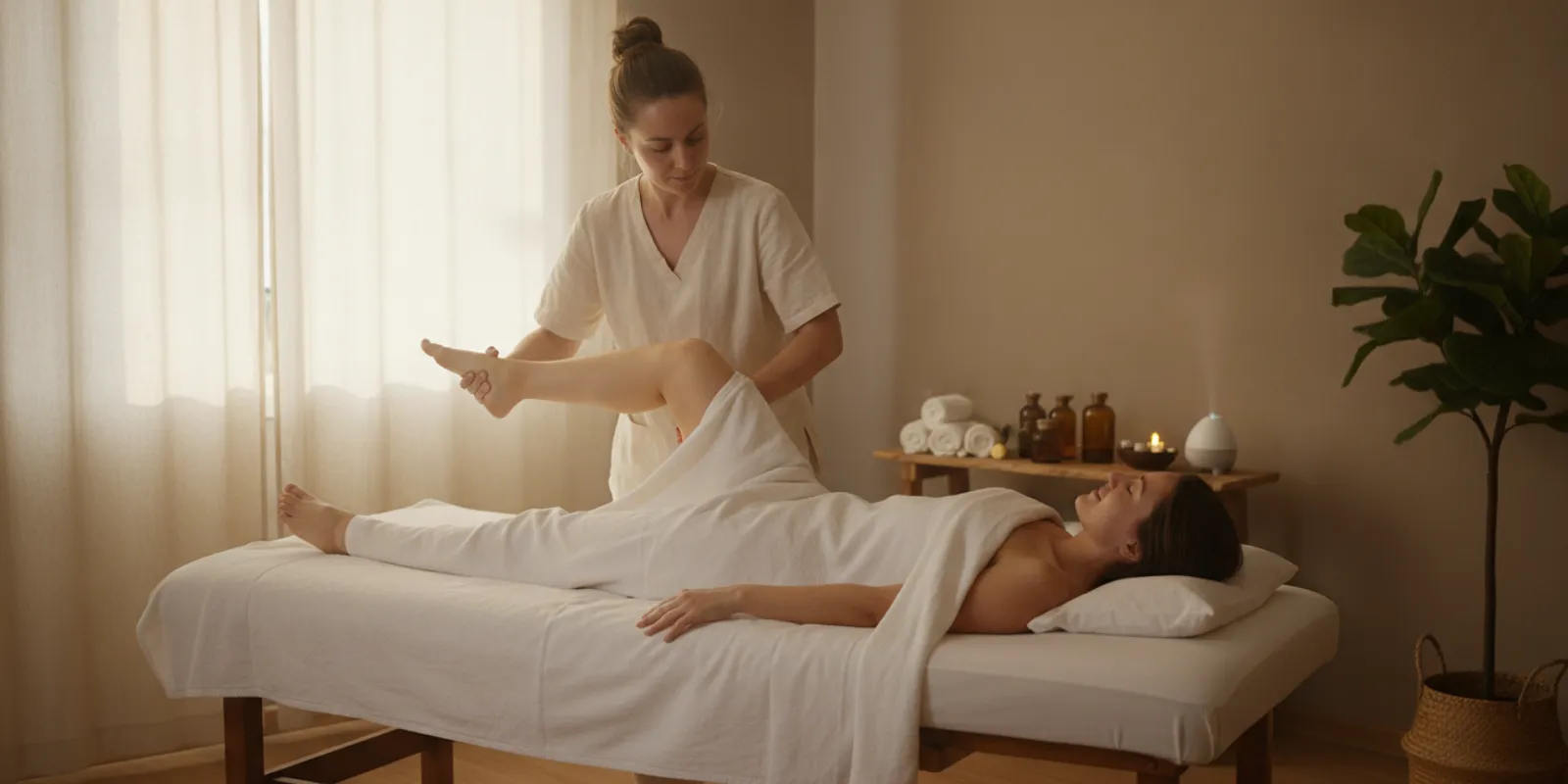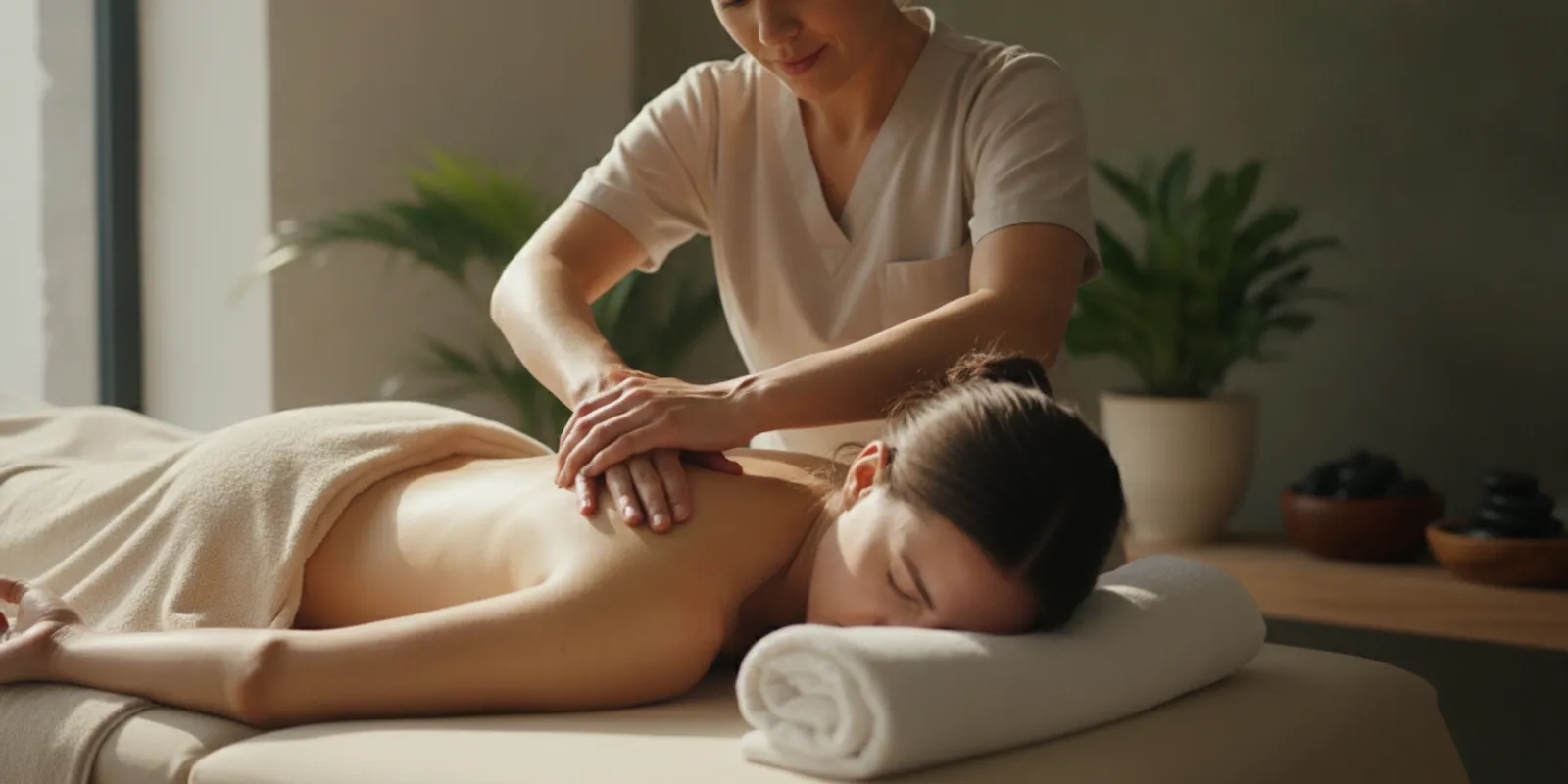

Pickleball can feel easy until the quick lunges, reaching, twisting, and repeated swings show up as tight calves, tired shoulders, or next-day stiffness. A thoughtful recovery plan starts with noticing what feels like ordinary post-play soreness, communicating those details clearly, and choosing an approach that fits your current needs. Massage can be complementary support, but it is not a substitute for medical evaluation when pain is severe, sudden, or accompanied by swelling, instability, or numbness.
Explore therapeutic massage services or book online at NOLA Bliss Massage
A pickleball recovery massage is a customized therapeutic session intended to address muscle tension and support comfortable movement after play. The therapist can adjust pressure and technique to your goals. Realistic expectations matter. Massage may help with perceived soreness and flexibility, but it does not guarantee faster recovery or improved athletic performance.
Understanding what this term means makes it easier to plan a first visit, describe your concerns, and decide whether massage is appropriate for your situation. Start with the basics of how this recovery-focused approach can be used.
What Is Pickleball Recovery Massage?
Pickleball recovery massage is a practical way to support the body after court time. It uses general therapeutic massage principles to address areas that feel tired, tight, or overworked after repeated lunging, reaching, twisting, and quick changes of direction. The focus is not on a special cure for pickleball injuries. Instead, a session can be adapted around your activity level, current muscle tension, and recovery goals.
That distinction matters at NOLA Bliss Massage. The studio can provide general therapeutic support for sports-related concerns, repetitive strain, and pre- or post-event recovery, but it does not present a dedicated pickleball protocol. Pressure and technique are adjusted to individual needs. So the most useful starting point is an honest conversation about where you feel tension and what you did on the court.
Massage may be one part of a broader recovery routine that includes rest, hydration, gradual movement, and appropriate medical care when symptoms suggest an injury. A systematic review of 29 studies involving 1,012 participants found no evidence that sports massage improves strength, jumping, sprinting, endurance, or fatigue. It did find small improvements associated with flexibility and delayed-onset muscle soreness, so expectations should remain realistic rather than performance-focused (review the published evidence).
For a closer look at practical recovery planning, read about sports massage recovery in New Orleans and massage after a workout. Neither replaces evaluation for acute pain, swelling, instability, numbness, or a suspected injury.
Why Does Pickleball Leave You Sore?
Pickleball may look less demanding than some court sports, but a typical game asks your body to change direction quickly and repeatedly. Lunging for a short ball, reaching across your body, twisting through a shot. And recovering to position all place shifting demands on the hips, thighs, calves, back, shoulders, and forearms. Strength and speed matter too, particularly when rallies keep you moving instead of letting you settle into one stance.
That combination can create ordinary post-game muscle soreness, especially after a longer session, a change in playing frequency, or a day when you covered more court than usual. Soreness does not automatically mean an injury. It is a reason to notice where your body feels worked and whether the discomfort gradually improves with rest and normal movement.
Research offers useful context, but it should not be treated as a prediction for every player. In a study of 237 older pickleball players, 32.1% reported an injury during the previous year. Of those reported injuries, 57.9% involved the lower extremities and 61.8% involved muscle or tendon tissue. The study describes a specific group and reporting period, not your individual risk. Read the study details on PubMed.
Harvard Health similarly identifies strains and sprains in the legs and knees as common pickleball concerns. Falls can also affect the wrist, including sprains or fractures. Sharp pain, swelling, instability, numbness, or pain that worsens instead of easing deserves medical evaluation rather than a massage appointment.
For general recovery planning, massage guidance for athletes can help you think through what feels like routine muscular fatigue versus a concern that needs a different kind of care. Share the location, timing, and character of your soreness so any hands-on work can be approached conservatively and adjusted to your needs.
Is Massage Safe After Playing Pickleball?
Often, massage can fit into recovery after a pickleball session, but there is no universal waiting period. The right timing depends on how hard you played, how your body feels, and whether you are experiencing ordinary muscle fatigue or a possible injury. If you are simply stiff or generally sore, a lighter session may feel more appropriate than intense pressure immediately after the game. You can also schedule a visit later that day or on a following day, based on your comfort and recovery needs.
Start with basic recovery first. Pickleball can be vigorous even when it feels recreational, so consistent hydration before, during, and after play is recommended by general pickleball recovery guidance. A gentle cool-down and five to ten minutes of easy stretching for the legs, back, and shoulders may also help you transition out of play. Stretch only within a comfortable range, and do not force a painful area.
Massage should support recovery, not become a test of tolerance. Tell the therapist that you recently played pickleball, identify areas that feel tired or tight, and communicate if pressure feels excessive. Research on sports massage does not establish a guaranteed timing rule or show direct improvements in strength and performance. It does suggest small improvements in flexibility and delayed-onset muscle soreness, so expectations should remain practical. For related considerations, see this guide to massage after a workout.
Pause and seek medical evaluation instead of booking massage for symptoms such as acute or severe pain, substantial swelling, instability, numbness, or a wrist injury after a fall. Strains and sprains in the legs and knees, along with wrist injuries from falls, are recognized pickleball concerns, but massage cannot determine what caused your symptoms. When in doubt, choose evaluation first and discuss massage only after you have appropriate guidance.
How Should You Plan Your First Visit?
- Decide what you want help with. Before booking, identify whether your main concern is post-game soreness, recurring tightness, limited comfort during certain movements, or general recovery after a busy week of play. Pickleball recovery massage should support a clear goal, not replace evaluation for an acute injury or concerning symptom. If you are unsure how to organize your thoughts, this guide can help you plan your first massage in New Orleans.
- Note the areas and patterns that matter. Be ready to describe where you feel tension, when it started, and whether it changes with walking, lunging, reaching, or twisting. Mention recent games, changes in playing frequency, falls, or other activities that may affect the session. You do not need technical language. A simple description of what feels different gives the therapist useful context.
- Discuss pressure before and during the massage. NOLA Bliss Massage adjusts pressure and technique to individual needs. Tell the therapist whether you prefer lighter work, focused therapeutic pressure, or a gradual approach. Speak up if pressure feels sharp, overwhelming, or unlike the productive sensation you expected. Customization is part of making the session useful, not a sign that you are being difficult.
- Prepare your body and clothing practically. Hydrate consistently around vigorous activity, and arrive in comfortable clothing that makes changing easy. Follow the draping and clothing instructions provided at the appointment, and avoid arriving rushed from the court when possible. For more practical guidance on what to wear and how to feel comfortable, review this guide to massage appointment etiquette.
- Plan the logistics. Leave enough time to arrive, settle in, and explain your goals without rushing. If your schedule is tight, confirm appointment availability when booking rather than assuming a same-day opening will be available.
Which Massage Approach Fits Recovery?
The right approach depends on what you want to address, how your body feels today, and what you plan to do next. A therapist can adjust technique and pressure to your individual needs rather than treating every active client the same way. NOLA Bliss Massage describes deep tissue as hands-on therapeutic work for muscle tension, with pressure customized to the person receiving it.
| Approach | Primary goal | Useful conversation | When to use caution |
|---|---|---|---|
| General therapeutic or deep-tissue work | Address muscle tension and areas that feel restricted or overworked. | Explain where you feel tightness, how intense the pressure should be, and whether the concern is new or recurring. | More pressure is not automatically better. Speak up if a technique feels sharp, excessive, or unlike useful therapeutic pressure. |
| Sports-focused planning | Organize the session around sports-related issues, repetitive strain, or pre- and post-event support. | Share when you last played, when you will play again, and which movements or areas are bothering you. | This is general therapeutic planning, not a dedicated pickleball protocol. Do not use massage to push through a suspected injury. |
| Lighter recovery-oriented work | Use a gentler session when relaxation, comfortable movement, or a less intense reset is the priority. | Discuss your current soreness, energy level, preferred pressure, and whether you need to return to activity soon. | Postpone the session and seek medical guidance for acute pain, swelling, instability, numbness, or other concerning symptoms. |
NOLA’s therapeutic services describe customized technique and pressure for pain concerns, while its general sports-related guidance includes repetitive strain and pre- or post-event support. That does not mean the studio offers a pickleball-specific treatment. For a closer look at the distinction between modalities, compare deep tissue and sports massage, then review the available therapeutic massage services before booking.
How Can New Orleans Players Book Around a Game?
Game-day planning is easier when you treat massage as one part of the schedule, not something to squeeze in at the last minute. If you are playing near downtown, allow time for your match, cooling down, changing, eating, and traveling before choosing an appointment. A lighter recovery-focused visit may fit better after a demanding day than an aggressive session immediately before competition.
NOLA Bliss Massage is located in the Warehouse District of Downtown New Orleans, within walking distance of the French Quarter and adjacent to the Convention Center. That location can be practical for local players, hotel guests, business travelers, and visitors building a game or tournament into a downtown itinerary. Free parking is noted for the studio, which may help if you are carrying equipment or driving in from another part of the city.
When booking, share the timing of your game and what you want to address, such as general muscle tension after repeated lunging, reaching, and twisting. Pressure and technique can be adjusted to individual needs. You can review the available therapeutic massage services before selecting an appointment, then discuss the most appropriate approach rather than assuming that one modality fits every player.
Same-day appointments are normally available, but availability must be verified when you book. Visitors may also find the massage tips for French Quarter visitors useful when coordinating transportation and sightseeing. If you have acute pain, swelling, instability, numbness, or another concerning symptom, postpone massage and seek appropriate medical evaluation instead.
Book your New Orleans massage appointment around your game schedule.
When Should You Skip Massage and Seek Medical Care?
Massage may be appropriate for familiar, manageable post-game soreness, but it is not the right first step for every complaint. Skip a session and seek appropriate medical evaluation if pain is severe, rapidly worsening, or out of proportion to what you usually feel after playing. The same applies when an injury occurred during a fall, twist, collision, or other specific event.
Pickleball commonly involves strains and sprains affecting the legs and knees, while falls can lead to wrist sprains or fractures, according to Harvard Health. That general context is a reason to be observant, not a way to diagnose your symptoms. A suspected fracture, visible or significant swelling, joint instability, or an inability to bear weight should be assessed by a qualified medical professional before considering massage.
Numbness, tingling, new weakness, or pain that travels down an arm or leg also deserves medical attention rather than hands-on pressure. Do not use massage to test whether a potentially serious injury will improve. If symptoms are urgent or severe, use emergency care as appropriate.
For less concerning soreness, you can review general sports massage recovery in New Orleans guidance and consider whether rest, hydration, and gentle movement are enough. When you do book, describe what happened, where you feel symptoms, and whether they are improving. The FAQs below address common questions about timing, safety, and choosing a recovery approach.
Frequently Asked Questions
Is it okay to have a massage after playing pickleball?
It can be reasonable when you have ordinary muscle tightness or post-game soreness and no signs of an acute injury. Tell the therapist when you played, where you feel discomfort, and whether the sensation is changing. A gentler approach may be more comfortable soon after play, while deeper pressure can be discussed for a later visit. Skip massage and seek medical evaluation for severe pain, marked swelling, instability, numbness, or a suspected sprain.
How can I recover well after playing pickleball?
Start with practical basics: drink fluids, allow time to cool down, and use comfortable movement rather than forcing a painful stretch. A short, easy walk and gentle mobility may help you transition out of play. The Life Time recovery guidance recommends hydration before, during, and after vigorous activity, along with light post-play stretching for the legs, back, and shoulders: recovery guidance for pickleball players.
What type of massage is best for sports recovery?
There is no single best option for every player. General therapeutic or deep tissue massage may suit focused muscle tension, while a sports-focused session can center the conversation on repetitive movement and recovery goals. If you are especially tender after a game, ask about lighter pressure. Technique and pressure should be adjusted to your comfort, symptoms, and timing.
Why am I so sore after pickleball?
Pickleball combines lunging, reaching, twisting, strength, and quick changes of speed, so soreness can reflect work across several muscle groups. Legs, knees, shoulders, and wrists may all feel stressed, especially after an unfamiliar level of play or a longer session. Soreness that is severe, worsening, or paired with swelling or instability deserves medical attention rather than self-treatment alone.
Ready to Book Your Pickleball Recovery Massage?
A thoughtful massage visit can help you discuss where you feel post-game tension and choose an approach that fits your recovery goals. NOLA Bliss Massage can help you ask about the right therapeutic option for your needs, whether you are a New Orleans resident or visiting for play.